
Wide-angle lenses make it easier to fit more into the frame, whether you’re shooting landscapes, travel scenes, interiors, or selfie-style video.
This roundup of the best wide-angle camera lenses for beginners focuses on easy-to-use options, solid image quality, and the best value across popular camera systems.
Best 10 Wide-Angle Camera Lenses for Beginners Picks for 2026
Ultra-Compact Full-Frame Starter Pick
Canon RF16mm F2.8 STM Ultra Wide Prime

- 16mm ultra-wide prime for EOS R bodies
- Bright f/2.8 aperture and 108° angle of view
- Lightweight 163 g design with quiet STM autofocus
Best For: Canon EOS R beginners who want a small, simple ultra-wide lens for video and travel
Accessory Lens for Vlogging Cameras
ULANZI WL-1 Wide Angle + Macro
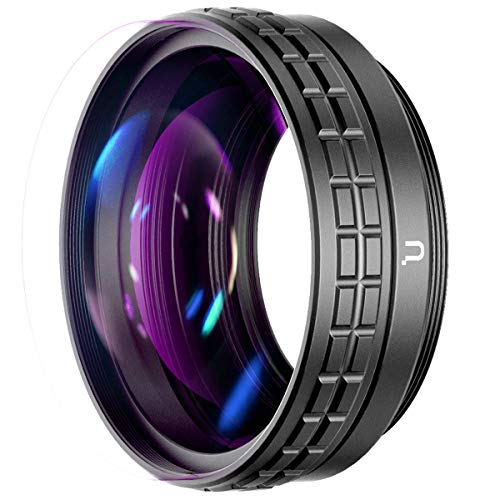
- Turns Sony ZV-1 into an 18mm wide-angle setup
- Includes a 10X macro lens for close-ups
- Uses low-dispersion glass and nano-coating
Best For: Sony ZV-1 and RX100 VII users who want a simple add-on for wider vlog shots and macro
Versatile DSLR Zoom Choice
Nikon 10-24mm DX Wide-Angle Zoom

- 10-24mm zoom covers landscapes and interiors
- 109° angle of view with quiet SWM autofocus
- Close focusing to 0.8 feet for flexible framing
Best For: Nikon DX DSLR beginners who want one wide zoom for learning and general shooting
Easy Ultra-Wide Zoom for Canon DSLR

- 10-18mm ultra-wide zoom for Canon EF/EF-S bodies
- Optical stabilization plus STM autofocus
- Close focus distance of 0.72 feet
Best For: Canon DSLR beginners who want a simple ultra-wide zoom for stills and video
Compact 2-in-1 Wide Lens

- 18mm ultra-wide view with 84-degree field of view
- Converts into a 10X macro lens
- Lightweight 2.5 oz aluminum build
Best For: Sony ZV-1F and ZV-E10 owners who want a versatile add-on
Mirrorless Vlog Zoom

- 10-18mm ultra-wide zoom for Canon APS-C mirrorless
- 4.0 stops of shake reduction
- Compact design for vlogging, selfies, and travel
Best For: Canon EOS R APS-C users wanting a beginner-friendly ultra-wide zoom
Budget Add-On Lens Kit
SSE 58mm 0.43x Wide Angle Macro

- 0.43x wide-angle add-on for 58mm lenses
- Detachable macro section for close-ups
- Includes cleaning accessories and lens cap keeper
Best For: Canon EF DSLR users with 58mm lenses on a budget
Canon APS-C Wide Zoom Starter Kit

- Wide 10-18mm APS-C zoom range
- Optical Image Stabilizer for handheld shots
- STM autofocus is quiet and smooth
Best For: Beginners using Canon APS-C DSLRs
Clip-On Wide Angle Converter
Altura Photo 58mm Wide Angle + Macro

- Screws onto compatible 58mm lenses
- Adds wider framing to your current lens
- Detachable macro section for close-ups
Best For: Budget-minded users with 58mm lenses
Budget 58mm Wide Converter
Lightdow 0.43x Wide Angle + Macro

- 0.43x converter widens your existing lens
- Macro attachment included for close-ups
- Easy screw-on setup for compatible lenses
Best For: Beginners with a matching 58mm lens thread
Ultra-Compact Full-Frame Starter Pick – Canon RF16mm F2.8 STM Ultra Wide Prime
If you want wide-angle camera lenses for beginners and you shoot on a Canon EOS R body, this RF 16mm prime is a simple place to start. Its fixed 16mm view, bright f/2.8 aperture, and very compact build make it easy to carry for travel, vlogging, and general ultra-wide shooting without adding much weight.
Best For: Beginners on Canon EOS R cameras who want an easy-to-carry ultra-wide prime for video, vlogging, and wide scenes.
Pros:
- Ultra-wide 16mm view with a 108-degree angle of view
- Bright f/2.8 aperture for low-light flexibility
- Lightweight and compact at 163 g
- STM autofocus is smooth and quiet during video recording
Cons:
- Fixed focal length means no zoom range
- Only works with Canon RF-mount EOS R series cameras
- Not water resistant
This is a strong beginner-friendly ultra-wide option if you prefer simplicity over versatility. The small size and quiet autofocus are especially useful when learning handheld video or basic wide-angle composition.
Accessory Lens for Vlogging Cameras – ULANZI WL-1 Wide Angle + Macro
For beginners using a Sony ZV-1 or RX100 VII, this add-on is a practical way to get wider framing without replacing the camera’s built-in lens. The WL-1 turns the ZV-1’s 24mm view into 18mm wide-angle, and it also includes a 10X macro setup for close-up shots.
Best For: Sony ZV-1 and RX100 VII owners who want an easy add-on for wider vlog shots and occasional macro work.
Pros:
- Converts the Sony ZV-1 lens from 24mm to 18mm wide-angle
- Includes a separate 10X macro lens for close-up detail shots
- German Schott low-dispersion glass for HD image output
- 30-layer nano-coating helps reduce glare and internal reflections
Cons:
- The wide-angle lens cannot be used on its own
- Macro use requires removing the wide-angle section
- Only compatible with Sony ZV-1 and Sony RX100 VII models
This is a useful beginner accessory if you already own a compatible Sony compact camera and want more framing flexibility. It is less of a general-purpose lens and more of a specialized upgrade for vloggers and close-up shooters.
Versatile DSLR Zoom Choice – Nikon 10-24mm DX Wide-Angle Zoom
Nikon 10-24mm f/3.5-4.5G ED AF-S DX Nikkor Wide-Angle Zoom Lens for Nikon Digital SLR Cameras
Check Price On AmazonIf you are looking at wide-angle camera lenses for beginners on Nikon DSLR bodies, this 10-24mm zoom gives you a lot of room to learn. It covers landscapes, interiors, cityscapes, and architecture, and the 10mm starting point gives a very wide perspective for exploring composition.
Best For: Nikon DX DSLR beginners who want a flexible wide zoom for landscapes, interiors, and architecture.
Pros:
- Wide 10-24mm zoom range for multiple framing options
- 109-degree angle of view at the wide end
- SWM autofocus is fast, accurate, and quiet
- Close focusing to 0.8 feet with chromatic aberration control
Cons:
- Designed for Nikon F-mount DX DSLR cameras only
- No image stabilization
- Maximum aperture narrows to f/4.5 at the long end
This is the most flexible lens in the group for learning wide-angle basics because the zoom range makes experimentation easy. It is especially useful if you want one lens that can handle a variety of wide scenes rather than a fixed-view prime.
Easy Ultra-Wide Zoom for Canon DSLR – Canon EF-S 10-18mm IS STM
For Canon DSLR users searching for wide-angle camera lenses for beginners, this EF-S zoom is a straightforward and practical option. The 10-18mm range gives you room to try landscapes, architecture, and indoor scenes, while image stabilization and STM autofocus help make everyday shooting and video less intimidating.
Best For: Canon EF/EF-S beginners who want an affordable-feeling ultra-wide zoom with stabilization and quiet autofocus.
Pros:
- Ultra-wide 10-18mm zoom range for broad scene coverage
- Optical image stabilizer helps with handheld shooting
- STM stepping motor supports noise-free video shooting
- Close focusing distance of 0.72 feet for near-subject framing
Cons:
- Maximum aperture is only f/4.5-5.6
- Compatible with Canon EF/EF-S DSLR bodies, not Canon RF
- Not water resistant
This lens is a sensible starter pick if you want a zoom that is easy to use and supports both stills and video. The stabilization and quiet autofocus make it especially approachable for learning handheld wide-angle shooting.
Compact 2-in-1 Wide Lens – NEEWER 40.5mm HD Wide Angle
If you’re comparing wide-angle camera lenses for beginners, this NEEWER option is worth a look if you want a simple add-on for Sony ZV-1F and ZV-E10 setups. It gives an 18mm ultra-wide view and can also be converted into a macro lens by removing the wide-angle portion, making it a flexible entry-level choice for learning both wider framing and close-up shots.
Best For: Sony ZV-1F and ZV-E10 users who want one lightweight lens accessory for both wide-angle and macro shooting.
Pros:
- 18mm ultra-wide angle with an 84-degree field of view
- 2-in-1 design converts to a 10X macro lens
- Multi-coated two-element HD optical build helps reduce glare and reflection
- Lightweight aluminum frame at 2.5 oz
Cons:
- Must be used with the specified compatible lens setup
- Compatibility is limited to Sony APS-C models and matching filter threads
This is a practical starter-friendly accessory for creators who want to experiment with wider shots without moving to a full lens swap. The added macro function is a nice bonus, but the real value depends on owning the supported Sony camera and lens combination.
Mirrorless Vlog Zoom – Canon RF-S10-18mm Ultra-Wide
For beginners shopping for wide-angle camera lenses, this Canon RF-S 10-18mm zoom is an easy way to get into wider framing without leaving the mirrorless system. Its 10-18mm range is designed for APS-C Canon EOS R cameras, giving you a practical ultra-wide view for vlogging, selfies, travel, and shooting in tight spaces.
Best For: Canon EOS APS-C mirrorless users who want a compact ultra-wide zoom for video, selfies, and travel.
Pros:
- 10-18mm focal range gives a 16-29mm equivalent view
- Wide angle is useful for vlogging and selfies without a long selfie stick
- Compact and lightweight design suits travel and everyday use
- Up to 4.0 stops of shake reduction
Cons:
- Made for Canon EOS APS-C mirrorless cameras only
- Maximum aperture is relatively modest at f/4.5-6.3
This lens stands out as the most straightforward wide-angle upgrade here for Canon mirrorless beginners. It combines a true ultra-wide zoom range with stabilization and a compact build, making it a strong all-around choice for learning wider composition.
Budget Add-On Lens Kit – SSE 58mm 0.43x Wide Angle Macro
If you are comparing wide-angle camera lenses for beginners and want a low-cost way to widen the frame, this SSE 58mm accessory kit is a simple option for compatible Canon EF DSLR lenses. It is a fixed-focus wide-angle attachment with a detachable macro section, so it can help you explore broader scenes and closer detail shots without buying a new primary lens.
Best For: Canon EF DSLR owners with 58mm lenses who want an affordable wide-angle attachment for casual experimentation.
Pros:
- 0.43x wide-angle attachment for a wider 43-degree view
- Detachable macro lens adds close-up shooting flexibility
- Includes cleaning pen, cleaning kit, and lens cap keeper
- Compatible with many Canon EOS Rebel and EF-mount DSLR models
Cons:
- Lens is not zoomable and uses fixed focus
- Works only with 58mm lenses
- Not water resistant
This is the most budget-oriented pick in the group, but it is also the least flexible in camera behavior because it is a fixed-focus add-on lens. It makes sense if you already have the right 58mm setup and want an inexpensive way to try wide-angle shooting.
Canon APS-C Wide Zoom Starter Kit – Canon EF-S 10-18mm IS STM
If you’re comparing wide-angle camera lenses for beginners, this Canon EF-S 10-18mm bundle is a practical place to start. It gives APS-C DSLR users a compact 16-28.8mm equivalent zoom range, optical stabilization, and STM autofocus, so it covers landscapes, interiors, and travel shots without adding much bulk.
Best For: New Canon APS-C DSLR users who want an easy-to-handle wide zoom for travel, interiors, and video-friendly shooting.
Pros:
- Compact, lightweight 10-18mm zoom with a useful wide field of view
- Optical Image Stabilizer helps reduce shake for handheld shooting and video
- STM autofocus is fast, accurate, and nearly silent
- Includes a shoulder bag and 64GB memory card in the bundle
Cons:
- Designed for Canon EF-S APS-C DSLRs, so compatibility is limited
- Maximum aperture is modest at f/4.5-5.6
This is a beginner-friendly wide-angle option if you want a real lens rather than an add-on attachment. The included stabilization and silent autofocus make it especially appealing for learning both stills and video in everyday shooting situations.
Clip-On Wide Angle Converter – Altura Photo 58mm Wide Angle + Macro
For beginners who want an affordable way to try wide-angle camera lenses for beginners, this Altura Photo attachment expands the view of an existing 58mm lens. It screws onto the front of the lens and includes a detachable macro element, making it a flexible accessory for learning wide shots and close-up detail without buying a whole new lens.
Best For: Beginners with a 58mm thread lens who want a low-cost way to experiment with wider framing and macro close-ups.
Pros:
- Screws onto compatible 58mm lenses for quick setup
- Provides a wider field of view using your current lens
- Detachable macro lens adds close-up shooting capability
- Works with a long list of Canon, Nikon, Olympus, Lumix, and Fujifilm lenses when thread size matches
Cons:
- Only fits lenses with a 58mm front filter thread
- Compatibility depends on verifying the exact thread size before ordering
This is more of an add-on than a dedicated lens, so it makes the most sense if you already own a compatible lens. If your goal is simply to test the wide-angle look on a budget, it offers an easy entry point.
Budget 58mm Wide Converter – Lightdow 0.43x Wide Angle + Macro
The Lightdow 58MM 0.43x attachment is another entry-level pick for photographers looking at wide-angle camera lenses for beginners on a budget. It mounts onto the front of a compatible lens thread and broadens the view while also adding a macro option, so it can be a simple way to experiment with different perspectives.
Best For: Beginner shooters with a compatible 58mm lens thread who want an inexpensive wide-angle and macro accessory.
Pros:
- 0.43x wide-angle conversion expands the original lens view
- Includes a macro attachment for close-up shooting
- Screws onto the front filter thread for easy mounting
- Compatible with several Canon, Nikon, Olympus, Fujifilm, and other camera lens types when size matches
Cons:
- Requires checking the exact lens thread size before buying
- Only works with lenses that match the 58mm fit
This Lightdow converter is best treated as a starter accessory rather than a replacement for a true wide-angle lens. If you already have the right thread size, it can be a low-commitment way to learn how wider framing changes your composition.
How We Picked These Wide-Angle Camera Lenses for Beginners
We focused on lenses that are beginner-friendly in real-world use: straightforward handling, useful focal ranges, dependable autofocus where available, and strong compatibility with common entry-level mirrorless and DSLR bodies. We also favored options that balance price, portability, and image quality so new shooters can learn without overspending.
Quick Comparison: Prime, Zoom, and Lens Attachments
For Wide-Angle Camera Lenses for Beginners, the simplest choice is often a zoom lens because it gives you room to experiment with framing. Prime lenses usually offer a wider maximum aperture and a smaller, lighter build, while add-on wide-angle attachments can be a budget-friendly route for compact cameras but typically involve more compromise in edge sharpness and flexibility.
Key Buying Factors for Wide-Angle Camera Lenses for Beginners
Mount Compatibility
Start by matching the lens mount to your camera exactly. Canon RF, RF-S, EF-S, Nikon F-mount DX, and Sony compact-camera or E-mount-style options are not interchangeable without the right setup. Compatibility matters more than almost any other feature.
Focal Length and Field of View
In general, shorter focal lengths create a wider view. For beginners, a range around 10-18mm on APS-C or a similar wide-angle equivalent is a practical sweet spot for landscapes, group shots, rooms, and vlogging.
Aperture and Light Handling
A wider aperture can help in low light and may create a brighter viewfinder image, but many beginner-friendly wide lenses use slower apertures to keep cost down. If you shoot indoors often, consider how much low-light performance you actually need.
Stabilization and Autofocus
Stabilization can help when handholding video or stills at slower shutter speeds, while quiet autofocus motors are especially useful for beginner creators who shoot both photos and clips.
Who Should Buy Which Wide-Angle Camera Lenses for Beginners?
If you want the easiest all-around choice, a wide-angle zoom is usually the best fit for beginners because it lets you learn composition without locking you into one focal length. If you want the smallest setup for travel or vlogging, a compact prime may be more appealing. If your budget is tight or you own a fixed-lens camera, a wide-angle attachment can be a sensible upgrade, but it is best viewed as a convenience solution rather than a full lens replacement.
Choose the lens that matches your camera system, shooting style, and comfort level first. The best beginner purchase is the one that you will actually carry, mount, and use often.
