
If you need a clean digital audio connection from a USB-C device to a receiver, DAC, soundbar, or home theater system, the right adapter matters. The best options keep setup simple while delivering stable optical output.
In this roundup, we focus on USB-C to optical audio adapters that are practical for laptops, tablets, smartphones, and desktop setups, with attention to compatibility, cable length, and digital signal quality.
Best 10 USB C to Optical Audio Adapters Picks for 2026
Best for MacBook Optical Out
Cubilux USB C to SPDIF Transmitter

- USB-C to optical SPDIF output for computers
- Supports stereo and 5.1 digital audio
- 192kHz/24-bit hi-res playback support
Best For: Laptop and MacBook users who need a direct digital optical audio output.
Best for Plug-and-Play Setup
Poyiccot USB-C to Toslink Adapter
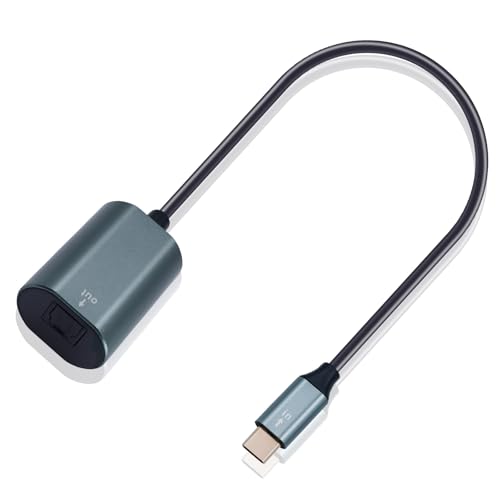
- Driver-free USB-C to Toslink output
- Supports SPDIF PCM digital audio
- Compact 20cm cable for portable use
Best For: People who want an easy USB-C optical audio adapter for DACs, amps, and home audio systems.
Best for Long Reach
Adoreen USB C to Optical Audio Cable 10 Ft

- 10-foot braided cable for flexible placement
- Plug-and-play with no driver or power needed
- Hi-fi digital audio up to 96kHz
Best For: People who want a long, simple USB-C-to-optical cable for TVs, soundbars, and speakers.
Best for Plug-and-Play TV Audio
Adoreen USB-C to Toslink Optical Cable
- No-driver, no-power setup for quick use
- Supports up to 96kHz hi-fi audio
- Braided, durable build with gold-plated connectors
Best For: People who want a simple USB-C to optical connection for TVs, soundbars, and home audio gear.
Best for Direct USB-C to Optical Output
USB C to TOSLINK Optical Adapter

- USB-C to SPDIF optical output
- Up to 192KHz/24-bit hi-res audio
- Includes 3.3 ft optical cable
Best For: USB-C users who want a simple optical output adapter for soundbars, DACs, and home audio gear.
Best Heavy-Duty Pick
USB C to Toslink Optical Audio Cable
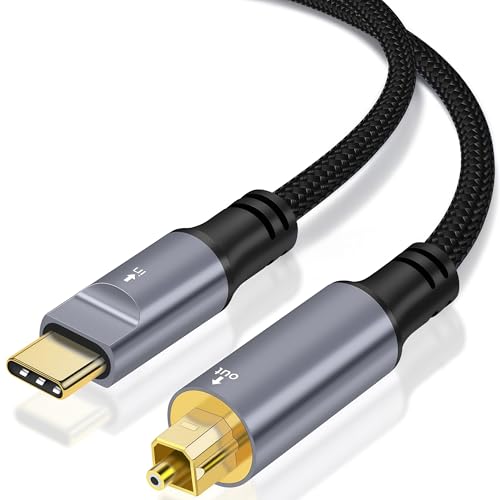
- Direct USB-C to Toslink optical audio output
- Up to 16-bit/96kHz hi-fi stereo PCM support
- Plug-and-play with no driver or power needed
Best For: People connecting USB-C devices to optical audio systems without extra setup.
Best for USB-C to Optical Audio
USB C to Toslink Optical Cable, 6FT
- USB-C to Toslink digital audio output
- Up to 16-bit/96KHz PCM support
- Plug-and-play with no external power
Best For: People who need a simple USB-C source to optical audio connection for home theater, soundbars, or DACs.
Best for MacBook Optical Out – Cubilux USB C to SPDIF Transmitter
If you need a simple way to send digital audio from a USB-C laptop to a home theater setup, this Cubilux model is a practical pick among usb c to optical audio adapters. It outputs clean stereo or 5.1 over SPDIF, making it a good fit for MacBook users and other computers with a full-featured USB-C port.
Best For: Laptop and MacBook owners who want a straightforward USB-C to optical output for soundbars, AV receivers, or external DACs.
Pros:
- Supports optical SPDIF output with stereo and 5.1 playback
- Up to 192kHz/24-bit output for detailed digital audio
- No driver or software setup needed for basic stereo use
- Compact unidirectional design keeps the signal path simple
Cons:
- Output only, so it cannot receive optical audio
- Not compatible with TVs, car USB ports, or other partial-featured USB ports
- Does not support 7.1 surround sound
For buyers comparing usb c to optical audio adapters, this one stands out for straightforward computer-to-home-audio playback and hi-res output, but it is only the right choice if your device supports full USB-C audio output and you specifically need SPDIF.
Best for Plug-and-Play Setup – Poyiccot USB-C to Toslink Adapter
If you want a simple way to connect USB-C devices to an optical audio system, this Poyiccot adapter keeps the setup straightforward. Among usb c to optical audio adapters, it stands out for direct SPDIF PCM output, a compact 20cm cable, and broad support for laptops, tablets, phones, and Thunderbolt ports.
Best For: Users who want a compact, driver-free USB-C to Toslink connection for digital audio output to DACs, amps, or home audio gear.
Pros:
- Plug-and-play design with no driver installation
- Supports USB-C audio output devices and UAC1/UAC2 compatibility
- Compact, portable 20cm build for easy desktop or travel use
- Toslink optical output helps avoid electrical interference
Cons:
- Only works with devices that support USB-C audio output
- Short cable length may not suit farther-apart components
- Limited to digital optical output, not analog audio
For buyers who already use optical input on a DAC, amplifier, or sound system, this is a practical pick that favors convenience over extras. If you specifically need usb c to optical audio adapters for clean, direct digital output, this model is a sensible fit.
Best for PC & PS5 Audio – Cubilux USB-C to TOSLINK Cable
If you need one of the more direct usb c to optical audio adapters for a computer-based setup, this Cubilux cable keeps the signal fully digital from USB-C to TOSLINK with no driver install. It’s a practical pick for clean playback into a DAC, amp, or AV receiver, especially if you want low-noise audio and simple plug-and-play use.
Best For: PC, MacBook, and PS5 users who want a straightforward USB-C to optical link for stereo or 5.1 audio.
Pros:
- Delivers lossless digital audio up to 192 kHz / 24-bit for clean, detailed playback
- Works with computers for stereo and 5.1 surround sound, plus PS5 stereo output
- Optical transmission helps reduce interference, hum, and ground-loop noise
- Braided cable and aluminum shell add durability for daily use
Cons:
- Not compatible with TVs, Xbox, Switch, projectors, or other non-computer USB devices
- Unidirectional design means it only works from USB-C to optical out
- PS5 support is limited to stereo, not surround sound
For buyers comparing usb c to optical audio adapters, this one stands out for keeping setup simple while still prioritizing stable, noise-free digital output. Just make sure your source device matches the compatibility limits before buying.
Best for Long Reach – Adoreen USB C to Optical Audio Cable 10 Ft
If you need one of the more convenient usb c to optical audio adapters for a TV, soundbar, or game setup, this Adoreen cable keeps things simple: plug it in, skip the drivers, and send digital audio over a long 10-foot run. It’s a practical pick when your source device supports USB-C audio output and you want a clean SPDIF connection without extra power or a separate box.
Best For: Users who want a longer USB-C-to-optical cable for straightforward audio output to a soundbar, amp, or speaker.
Pros:
- 10-foot braided cable gives more flexibility for TVs, consoles, and desk setups
- Plug-and-play design with no external power or driver installation required
- Supports hi-fi digital audio up to 96kHz for clear stereo PCM output
- Gold-plated connectors and alloy housing help improve durability and signal stability
Cons:
- One-way only: USB-C to SPDIF, not reversible
- Only works if the USB-C device supports audio output
- Volume must be adjusted on the receiving audio device, not the computer
For buyers comparing usb c to optical audio adapters, this model stands out more for reach and easy setup than for advanced features. It’s a solid fit if you want a long, reliable digital audio link and don’t need bidirectional conversion.
Best for Simple Plug-and-Play Setup – USB-C to Toslink Optical Audio Cable
If you want one of the easiest usb c to optical audio adapters to use with a TV setup, soundbar, DAC, or home theater receiver, this USB-C to Toslink cable keeps things simple: plug it in, select the optical input, and you’re ready to go. It’s a practical pick for people who want digital audio output from a USB-C device without installing drivers or dealing with extra boxes.
Best For: Users who want a straightforward USB-C-to-OPTICAL connection for laptops, phones, tablets, and gaming gear.
Pros:
- True plug-and-play operation with no drivers or software
- Aluminum housing and braided cable help reduce interference
- Supports up to 96kHz/24-bit audio for clean digital output
- Compatible with many USB-C devices and optical audio systems
Cons:
- Unidirectional design means it only works from USB-C to optical
- Requires an external device with a valid optical input
- 39-inch length may be limiting for some desk or rack layouts
For buyers comparing usb c to optical audio adapters, this model stands out most for convenience and broad everyday compatibility rather than advanced features. It’s a solid choice if you simply need a reliable digital bridge from modern USB-C hardware to an existing optical audio system.
Best for Plug-and-Play TV Audio – Adoreen USB-C to Toslink Optical Cable
If you want one of the simplest usb c to optical audio adapters for a clean digital sound connection, this Adoreen cable is built for direct USB-C-to-Toslink use with no driver or external power needed. It’s a practical pick for TVs, soundbars, speakers, and compatible USB-C devices when you want stable PCM audio without extra setup.
Best For: Users who want a straightforward USB-C to optical cable for TVs, soundbars, gaming consoles, and home audio gear.
Pros:
- Plug-and-play setup with no drivers or external power required
- Supports up to 96kHz high-resolution audio for clean digital output
- Braided jacket and alloy housing help improve durability
- Works with a wide range of USB-C devices and optical receivers
Cons:
- One-way only: USB-C to SPDIF, not reverse
- Volume control must be handled on the optical receiver, not the cable
- Compatibility depends on whether the USB-C device supports audio output
As far as usb c to optical audio adapters go, this one stands out for easy setup and dependable wired audio rather than advanced flexibility. It’s a solid match if you mainly need a simple digital bridge for home entertainment use.
Best for Comfort – USB-C to Toslink Optical Cable
If you want one of the simplest usb c to optical audio adapters for sending clean digital sound from a modern device to an optical-only soundbar, receiver, or home theater, this USB-C to Toslink cable is an easy pick. It’s a direct, unidirectional cable with no drivers, so setup is as close to plug-and-play as it gets.
Best For: Users who want a straightforward USB-C-to-optical connection for TVs, soundbars, AV receivers, and desktop audio systems.
Pros:
- Plug-and-play setup with no software or drivers
- Supports up to 96kHz/24bit digital audio for clean output
- Braided cable and aluminum housing help reduce interference
- Works with many USB-C devices, including phones, tablets, laptops, and game consoles
Cons:
- Unidirectional design only works from USB-C source to optical input
- Requires an external device with a true optical input
- 79-inch length may be longer than some desk setups need
For buyers comparing usb c to optical audio adapters, this one stands out for its simple setup and broad device support rather than extra features. It’s a practical choice if you mainly want reliable digital audio transfer without having to mess with converters or drivers.
Best for Direct USB-C to Optical Output – USB C to TOSLINK Optical Adapter
If you need a simple way to add optical output from a USB-C device, this is one of the more straightforward usb c to optical audio adapters to consider. It’s aimed at sending digital audio from a phone, tablet, or laptop to a soundbar, DAC, amplifier, or other TOSLINK-equipped gear with plug-and-play setup.
Best For: USB-C users who want a unidirectional optical audio output adapter for hi-res digital playback and easy system integration.
Pros:
- Supports USB-C to SPDIF optical output for digital audio systems
- Plays back hi-res audio up to 192KHz/24-bit with compatible source and settings
- Driver-free, plug-and-play setup for phones, tablets, and laptops
- Includes a 3.3 ft optical cable in the box
Cons:
- Unidirectional only; it cannot receive optical input into USB-C
- 5.1 output depends on source files, player support, and proper configuration
- Works only with devices that have a USB-C port and optical input on the audio side
For buyers comparing usb c to optical audio adapters, this model stands out for its focused output-only design, included cable, and broad compatibility with common USB-C devices. It’s a practical pick if you mainly want clean digital audio into an existing home audio setup without extra drivers or complicated setup.
Best Heavy-Duty Pick – USB C to Toslink Optical Audio Cable
If you need a simple, wired way to move digital audio from a USB-C device into a soundbar, DAC, or home theater system, this is a straightforward option to consider. Among usb c to optical audio adapters, it stands out for plug-and-play use, stable optical output, and support for lossless stereo PCM playback.
Best For: Users who want a no-drama USB-C-to-Toslink cable for laptops, tablets, phones, or game consoles connected to optical audio gear.
Pros:
- Converts USB-C digital audio to Toslink optical for direct output
- Supports up to 16-bit/96kHz audio with low-latency transmission
- Plug-and-play setup with no driver or external power needed
- Alloy housing and gold-plated connectors add durability
Cons:
- Unidirectional only, so it does not work in reverse
- Not suitable for recording or receiving SPDIF input from a DAC/amp
- Limited to devices with USB-C audio output support
For buyers comparing usb c to optical audio adapters, this cable makes the case for simplicity over flexibility: it is a direct, dedicated link for clean digital audio without extra setup. That makes it a smart pick when you already know you need USB-C source devices feeding an optical input.
Best for USB-C to Optical Audio – USB C to Toslink Optical Cable, 6FT
If you need a simple way to send digital audio from a USB-C device to a soundbar, DAC, or home theater receiver, this is a practical pick among usb c to optical audio adapters. It’s aimed at lossless optical output over a single cable, with plug-and-play use and broad compatibility for everyday listening, gaming, and TV setups.
Best For: Users who want a direct USB-C to Toslink connection for TVs, laptops, tablets, phones, PS5, and sound systems.
Pros:
- Converts USB-C digital audio to optical output for clean, noise-resistant transmission
- Supports up to 16-bit/96KHz PCM audio for hi-fi playback
- Plug-and-play design with no driver installation or external power needed
- Alloy housing and gold-plated connectors add durability
Cons:
- Unidirectional only, so it cannot work from optical back to USB-C
- Not suitable for recording audio from external DACs or amps
For buyers specifically comparing usb c to optical audio adapters, this cable makes the direction and use case very clear: USB-C source in, Toslink audio out. That makes it a strong fit if you want a straightforward connection without extra setup or power requirements.
How We Picked the Best USB C to Optical Audio Adapters
For USB C to Optical Audio Adapters, the most important factors are straightforward: dependable SPDIF output, compatibility with common USB-C devices, and a design that fits your setup. We prioritized products that are clearly unidirectional, easy to connect, and suitable for everyday digital audio use.
We also looked at connector style, cable length, and build quality. Some buyers want a compact adapter for travel or tight spaces, while others need a longer cable for a permanent desk or living room setup.
Quick Comparison
Short adapter-style options are best when the device sits close to the audio gear and portability matters. Cable-style models are better if you want more reach and less strain on ports. In general, choose the shortest practical length for a cleaner installation, and use longer cables only when your layout requires them.
Key Buying Factors for USB C to Optical Audio Adapters
Device Compatibility
Check that the adapter works with your source device, whether that is a MacBook, Windows laptop, tablet, or phone. Some models are optimized for specific USB-C audio output use cases, so confirming support before buying is essential.
Signal Direction
These products are typically unidirectional. That means they send audio from USB-C to optical only, not the other way around. Make sure your setup needs output conversion rather than input conversion.
Length and Form Factor
Compact adapters are easier to travel with and reduce clutter. Longer cable versions can be more convenient for TV stands, AV racks, and desktop setups where the optical port is farther away.
Audio Quality and Use Case
If you care about clean digital transmission, look for models with clear SPDIF support and sensible specifications. These are a good fit for listening, streaming, and connecting to receivers or soundbars without introducing analog noise.
Who Should Buy Which USB C to Optical Audio Adapters?
Choose a short adapter if you want portability, a minimal footprint, or a quick connection to nearby gear. Choose a cable-style option if your USB-C device sits farther from the audio component or you want a more permanent setup.
Home theater users, desk-based listeners, and laptop owners connecting to external audio systems will benefit most from USB C to Optical Audio Adapters. If your priority is simplicity and stable digital output, start with the model that best matches your device type and cable-length needs.
