
If you want cleaner livestream audio, smoother podcast routing, or an easier way to send system sound into your recordings, a USB audio interface with loopback is a smart upgrade.
Below, we focus on options that balance sound quality, input count, driver support, and practical features for creators, musicians, and streamers.
Best 10 USB Audio Interface with Loopback Picks for 2026
Streamer-Friendly Recording Hub
MAONO PS22 Lite USB Audio Interface

- Loopback and virtual channel routing for streaming
- 24-bit/192kHz capture with low-noise preamps
- Works with Mac, Windows, and iPad
Best For: Streamers and creators who need flexible routing
Budget Studio Starter
PreSonus AudioBox 96 25th Anniversary
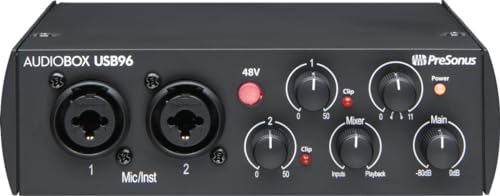
- Two mic preamps plus instrument and MIDI I/O
- Zero-latency monitoring with mixer control
- Includes Studio One Artist and Ableton Live Lite
Best For: Beginners who want a portable, value-packed interface
Compact Loopback Performer
2x2 USB-C Audio Interface with Loopback

- Monitor mix/loopback built in
- 24-bit/192kHz with class-compliant USB-C
- Bus-powered with direct monitoring and phantom power
Best For: Mobile creators who want simple loopback and portability
Premium Solo Recording Pick
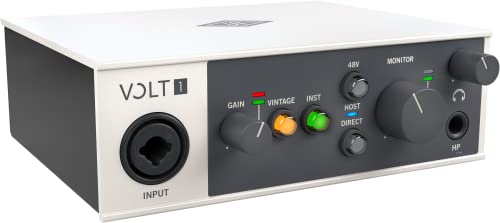
- Vintage mode for UA 610-style tone
- 24-bit/192kHz recording with clean converters
- Includes LUNA DAW and UAD tools
Best For: Solo creators who want premium sound and simple workflow
Budget-Friendly Loopback Recording Pick
BOMGE BMG22 USB Audio Interface

- Two combo inputs with gain control and phantom power on input 1
- Built-in loopback for mixing mic/instrument audio with computer playback
- 32-bit/192 kHz audio plus zero-latency direct monitoring
Best For: Creators who want an affordable, simple loopback interface for recording and streaming.
Creator Workflow Pick
MAONO P1 Hybrid USB Audio Interface
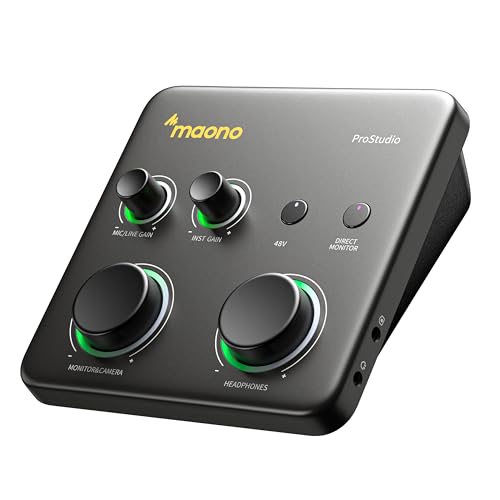
- Dual USB ports work with computer and phone or iPad together
- Built-in loopback plus ProStudio2 routing software
- Up to 70dB gain, auto-gain, mute, and direct monitoring
Best For: Creators who need hybrid device support and flexible routing for streaming or recording.
Simple Dual-Input Recording Option
M-AUDIO M-Track Duo USB Audio Interface

- Two combo XLR/line/instrument inputs with phantom power
- USB/direct switch for zero-latency monitoring
- Includes MPC Beats software suite
Best For: Beginners who want an easy dual-input interface for vocals, guitar, and podcasting.
Hybrid Creator Pick
MAONO P2 USB Audio Interface with Loopback

- Dual USB ports for computer and phone workflows
- Built-in loopback and routing software
- 56dB gain with 24-bit/192kHz recording
Best For: Creators who want flexible streaming and mobile recording
Budget Recording Basic
M-AUDIO M-Track Solo USB Audio Interface
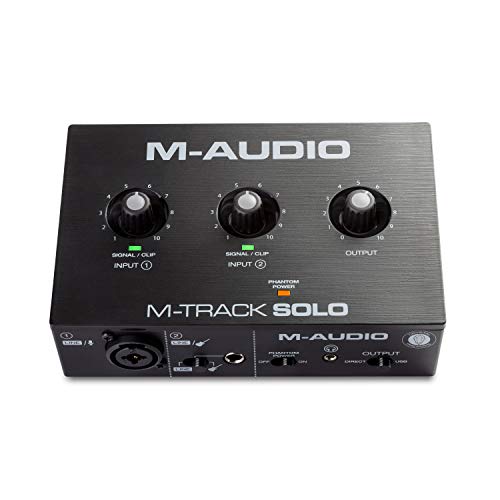
- One combo XLR/line input plus one line/instrument input
- USB/direct switch for zero-latency monitoring
- Includes MPC Beats software
Best For: Beginners recording vocals, guitar, or podcasts
Streamer-Friendly Recording Hub – MAONO PS22 Lite USB Audio Interface
If you want a usb audio interface with loopback for streaming, recording, and quick setup changes, the MAONO PS22 Lite is built for that workflow. It combines 24-bit/192kHz capture, low-noise preamps, routing software, and ASIO support, so creators can move between vocals, guitar, and broadcast use without a complicated signal path.
Best For: Streamers, podcasters, voice actors, and beginner home-studio users who want flexible routing and loopback.
Pros:
- Includes ProStudio Routing Software with additional virtual channels and loopback support.
- 24-bit/192kHz recording with a 106dB dynamic range and up to 56dB preamp gain.
- Supports condenser and dynamic mics with 48V phantom power.
- Compact, plug-and-play design with direct monitoring and Mac, Windows, and iPad compatibility.
Cons:
- Uses a smaller two-input layout, so it may not suit larger multi-source setups.
- Best features depend on using the MAONO ASIO driver in supported software.
Overall, the PS22 Lite is a practical pick if loopback and routing flexibility matter more than raw channel count. It is especially appealing for creators who want one interface to handle streaming, vocals, and guitar without adding extra gear.
Budget Studio Starter – PreSonus AudioBox 96 25th Anniversary
The PreSonus AudioBox 96 is a straightforward usb audio interface with loopback alternatives in mind only if you are pairing it with software, but its strengths are really in simple recording and zero-latency monitoring. With two Class-A preamps, MIDI I/O, bus power, and up to 24-bit/96kHz conversion, it is a solid entry point for home recording on a budget.
Best For: Beginner musicians and portable home-studio users who want a dependable 2-channel interface with included software.
Pros:
- Two Class-A mic preamps and two high-headroom instrument inputs.
- Zero-latency monitoring with mixer control for custom blends.
- USB bus-powered design keeps the setup portable.
- Includes Studio One Artist, Ableton Live Lite, and Studio Magic Plug-In Suite.
Cons:
- Limited to 24-bit/96kHz rather than higher-resolution 192kHz recording.
- No dedicated loopback feature is listed in the supplied specs.
If you need a simple interface for recording guitar, vocals, or MIDI without a lot of complexity, the AudioBox 96 delivers strong value. It is a practical choice when portability and included software matter more than advanced routing features.
Compact Loopback Performer – 2×2 USB-C Audio Interface with Loopback
For buyers comparing a usb audio interface with loopback, this 2×2 USB-C model stands out for its simple one-cable setup and built-in monitor mix/loopback function. It is designed for creators who want high-resolution recording, direct monitoring, and easy portability without needing external power or driver installation.
Best For: Mobile musicians, home-recording users, and PC/Mac creators who want easy loopback and class-compliant operation.
Pros:
- Built-in monitor mix/loopback function for flexible routing.
- 24-bit/192kHz converters for high-fidelity recording.
- Class-compliant USB-C design with no drivers required.
- Includes combo inputs, 48V phantom power, direct monitoring, and a 3.5mm headphone jack.
Cons:
- Only two channels, so it is not designed for larger sessions.
- Supplied notes list Windows compatibility, so platform support may be more limited than some alternatives.
This is a strong option if you want loopback in a compact interface that stays simple to use. Its bus-powered, one-cable approach makes it especially appealing for laptop-based recording and streaming setups.
Premium Solo Recording Pick – Universal Audio Volt 1
The Universal Audio Volt 1 is a compact usb audio interface with loopback-style convenience only if you add software routing, but its main draw is the polished sound and beginner-friendly recording experience. It offers UA’s Vintage mode, 24-bit/192kHz conversion, and access to LUNA plus UAD tools, making it a good fit for users who care about tone and production quality.
Best For: Solo vocalists, songwriters, and desktop producers who want a premium-feeling single-input interface.
Pros:
- Vintage mode emulates UA’s classic 610 preamp sound.
- Up to 24-bit/192kHz recording with clean converters.
- Includes LUNA DAW and UAD plug-ins/instruments for production.
- Supports Mac, Windows, iPad, and iPhone for flexible use.
Cons:
- Single-input design limits it to solo recording workflows.
- Requires an external power supply and an adapter for some iPad setups.
Volt 1 makes the most sense when you want a compact interface with a more premium sonic character than basic starter models. It is less about advanced routing and more about delivering a clean, professional recording path for one source at a time.
Budget-Friendly Loopback Recording Pick – BOMGE BMG22 USB Audio Interface
If you want a usb audio interface with loopback for recording, streaming, or simple home production, the BOMGE BMG22 covers the essentials without complicating setup. It supports two combo inputs, direct monitoring, phantom power on input 1, and a loopback mode that blends your input signals with computer playback for easy streaming or content capture.
Best For: Streamers, podcasters, and musicians who want a straightforward two-input interface with loopback and zero-latency monitoring.
Pros:
- Loopback mixes channel inputs with computer audio and sends it back to the computer.
- 32-bit/192 kHz resolution for high-fidelity recording.
- Direct monitoring helps reduce delay while tracking vocals or instruments.
- Generic USB driver support for Windows and Mac keeps setup simple.
Cons:
- DAW software is not included.
- Phantom power applies only to input 1 and requires the XLR socket.
- Fewer advanced workflow tools than some creator-focused interfaces.
Overall, the BMG22 is a practical choice if your priority is reliable loopback, simple dual-input recording, and clean monitoring at a modest feature set. It is especially appealing for users who want to get started quickly and focus on basic streaming or music capture.
Creator Workflow Pick – MAONO P1 Hybrid USB Audio Interface
The MAONO P1 is a strong usb audio interface with loopback if you need flexible routing for streaming, podcasting, and mobile recording. Its dual USB ports let you connect a computer and phone or iPad at the same time, while the built-in loopback and ProStudio2 routing tools help combine vocals, instruments, and desktop audio into one workflow.
Best For: Streamers, podcasters, and creators who want hybrid device support and more control over routing.
Pros:
- Dual USB connectivity supports computer plus phone or iPad workflows.
- Built-in loopback and routing software simplify desktop-audio capture.
- Up to 70dB gain helps drive dynamic microphones without an external booster.
- Direct monitoring, auto-gain, and mute controls are useful for live work.
Cons:
- Workflow features may be more than casual users need.
- Some routing benefits depend on the included ProStudio2 software.
- Compact controls may feel specialized if you only need basic recording.
In practice, the P1 stands out for creators who want one interface to handle streaming, phone recording, and more advanced audio routing. If you value flexibility and built-in tools over a bare-bones setup, this is the most workflow-oriented option here.
Simple Dual-Input Recording Option – M-AUDIO M-Track Duo USB Audio Interface
The M-AUDIO M-Track Duo is a straightforward usb audio interface with loopback alternatives through its zero-latency monitoring design, though it does not list a dedicated loopback feature like the other models here. It focuses on clean two-channel recording with dual combo inputs, crystal preamps, and a simple USB/direct monitoring switch for recording, streaming, and podcasting.
Best For: Beginners and home recordists who want a simple two-input interface for vocals, guitar, and podcast tracking.
Pros:
- Two combo XLR/line/instrument inputs support vocals and instruments.
- USB/direct switch enables zero-latency monitoring.
- Transparent Crystal Preamps are designed for cleaner mic capture.
- Includes a software suite with MPC Beats.
Cons:
- Maximum sample rate is 48 kHz, lower than some higher-resolution options.
- No dedicated loopback function is listed in the supplied notes.
- Feature set is more basic than creator-focused streaming interfaces.
The M-Track Duo makes sense if you want a reliable, uncomplicated interface for standard recording tasks and do not need advanced loopback routing. It is best viewed as an affordable all-rounder for voice, guitar, and basic podcast work.
Hybrid Creator Pick – MAONO P2 USB Audio Interface with Loopback
If you want a usb audio interface with loopback that can handle streaming, recording, and mobile content creation, the MAONO P2 is built around that workflow. Its dual USB ports, loopback routing, mute controls, and app/software features make it easier to record voice, guitar, backing tracks, and desktop audio without constantly changing settings.
Best For: Podcasters, streamers, and creators who need flexible computer-and-phone recording in one interface.
Pros:
- Dual USB ports with MFi-certified connectivity for computer plus phone or iPad use
- Built-in loopback and routing software for capturing voice, instrument, and desktop audio together
- 56dB dual XLR gain with 24-bit/192kHz recording and low-noise performance
- Independent mute controls plus direct monitoring for more control during streams and sessions
Cons:
- Feature set may be more than needed if you only want a basic two-input interface
- Advanced routing tools may take a little setup time for beginners
The P2 stands out if you need one compact interface that can move between studio, phone, and streaming tasks. It leans strongly into creator convenience while still offering the audio specs and monitoring features expected from a serious entry-level production tool.
Budget Recording Basic – M-AUDIO M-Track Solo USB Audio Interface
The M-AUDIO M-Track Solo is a straightforward usb audio interface with loopback alternatives in mind if you mainly need simple recording and streaming basics. It focuses on easy input options, direct monitoring, and a compact footprint, making it a practical choice for first-time podcasters, home recordists, and anyone who wants a no-fuss setup.
Best For: Beginners who want a simple, portable interface for vocals, guitar, and podcasting.
Pros:
- One combo XLR/line input with phantom power plus one line/instrument input
- USB/direct monitoring switch for zero-latency monitoring
- Transparent Crystal Preamp for use with condenser microphones
- Includes MPC Beats software for getting started with production
Cons:
- Only one XLR combo input, so it is not built for two-mic recording sessions
- No loopback feature is listed in the supplied notes
This is a solid entry-level interface if your priority is simplicity over advanced routing. It gives you the essentials for recording vocals or guitar and keeps monitoring easy, but creators who specifically need loopback should look at more feature-rich options.
Simple USB-C Starter – 2×2 USB-C Audio Interface for PC/Mac
If you are shopping for a usb audio interface with loopback-style workflow features in a simple plug-and-play package, this 2×2 USB-C interface is aimed at beginners who want quick setup and clean recording. The supplied notes emphasize wide compatibility, bus-powered operation, direct monitoring, and easy input/output handling for home studio, podcast, and streaming use.
Best For: New users who want a plug-and-play USB-C interface for basic recording and monitoring.
Pros:
- Plug-and-play USB-C design with no driver installation required
- 24-bit/192kHz recording with high-speed data transfer
- Dual XLR/TS inputs, +48V phantom power, and direct monitoring
- Includes multiple adapters for broader device compatibility
Cons:
- The notes do not mention loopback support specifically
- Some product details appear generic or inconsistent, so buyers may want to verify exact specs
This model makes sense if your top priority is an easy setup rather than advanced creator routing. It offers the core tools for recording and monitoring, but users who need confirmed loopback for streaming should double-check before buying.
How We Picked the Best USB Audio Interface with Loopback
We prioritized interfaces that make loopback genuinely useful, not just present on a spec sheet. That means stable drivers, low-latency performance, clear input options, and controls that are easy to manage during recording or streaming. We also weighed preamp quality, monitoring flexibility, and compatibility with PC, Mac, mobile devices, and common creator workflows.
Quick Comparison
In a USB Audio Interface with Loopback roundup, the main difference is usually how much flexibility you get for the price. Entry-level models are best for one mic and simple streaming. Dual-input interfaces suit podcasts, interviews, and small music setups. Hybrid and higher-gain options are better for creators who need phone routing, instrument recording, or more demanding microphones.
Key Buying Factors for a USB Audio Interface with Loopback
Loopback Implementation
Look for loopback that is easy to enable and clearly documented. Some interfaces route only playback audio, while others let you blend mic, instrument, and system audio more flexibly. If you stream often, software control can be a major advantage.
Inputs, Gain, and Monitoring
Choose the input count that matches your work. Solo creators may only need one XLR input, but podcasters and musicians usually benefit from two. Gain range matters too, especially if you use a dynamic mic that needs extra boost. Direct monitoring is helpful for avoiding delay while tracking.
Bit Depth, Sample Rate, and Drivers
Higher specs do not automatically mean better results, but 24-bit/192kHz support is common on modern units and can indicate a more capable design. Driver quality matters just as much; solid ASIO support on Windows and reliable class-compliant operation on Mac can make a bigger real-world difference than headline specs.
Connectivity and Workflow
Think about whether you need USB-C, mobile compatibility, phantom power for condenser mics, or software routing tools. A USB Audio Interface with Loopback should fit your setup without forcing extra workarounds.
Who Should Buy Which USB Audio Interface with Loopback?
Streamers who want simple game-and-mic capture should favor interfaces with easy loopback and dependable driver software. Podcasters should look for dual inputs, strong monitoring, and low noise. Singer-songwriters and guitarists should prioritize clean preamps, instrument inputs, and phantom power if they use a condenser mic. If you want one device for PC, phone, or tablet use, a hybrid interface with routing features is often the most flexible choice.
For most buyers, the best pick is the one that matches your workflow first and your spec sheet second. Start with the number of sources you need to record, then choose the interface that handles loopback, monitoring, and gain with the least friction.
