
Choosing the right USB audio interface for PC can make a bigger difference than upgrading your microphone alone. The best models deliver cleaner gain, lower latency, and more dependable recording for music, voice, streaming, and podcasting.
Below, we focus on interfaces that balance sound quality, input options, software support, and real-world ease of use so you can pick the right fit without overspending.
Best 10 USB Audio Interface for PC Picks for 2026
Compact Creator Pick
Focusrite Scarlett Solo 3rd Gen for clean PC recording

- 1 XLR mic preamp and 1 Hi-Z input
- 24-bit/192kHz converters with Air mode
- Includes recording software and effects
Best For: Guitarists, vocalists, and podcasters
Warm Tone Choice
Universal Audio Volt 1 with vintage-style sound
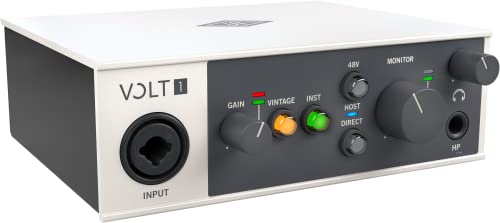
- Vintage mode based on UA 610 preamps
- 24-bit/192kHz converters for clear detail
- Includes LUNA and UAD tools
Best For: Solo creators who want vintage-style character
Budget Versatile Pick
Alloy Red 2x2 interface with loopback

- USB-C plug-and-play, no drivers required
- 24-bit/192kHz recording with bus power
- Monitor mix and loopback for flexible use
Best For: PC users who want portable, simple recording
Value Software Bundle
PreSonus AudioBox 96 for starter studios
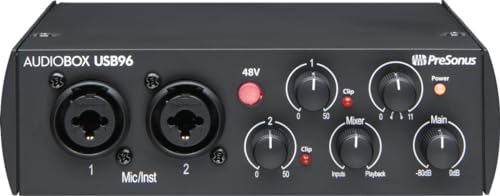
- 2 Class-A mic preamps and 2 instrument inputs
- Includes MIDI I/O and zero-latency monitoring
- Comes with Studio One Artist and plug-ins
Best For: Beginners building a home recording setup
Best for Easy Setup
Focusrite Scarlett Solo 4th Gen

- 1 XLR mic preamp plus 1 Hi-Z instrument input
- 24-bit/192kHz recording with 120dB dynamic range
- Includes software bundle and Air mode
Best For: Singer-songwriters and solo PC recording
Budget All-Rounder

- Two combo inputs for mics, guitars, and line sources
- 48kHz audio with Crystal Preamps
- USB/direct monitoring and MPC Beats included
Best For: Beginners, podcasters, and budget PC setups
Streamer-Friendly Choice

- 24-bit/192kHz capture with 106dB dynamic range
- Loopback plus ProStudio routing software
- Low-noise preamp with 48V phantom power
Best For: Streamers and creators needing flexible routing
Portable Starter Interface
M-Audio M-Track Solo for Recording, Streaming and Podcasting
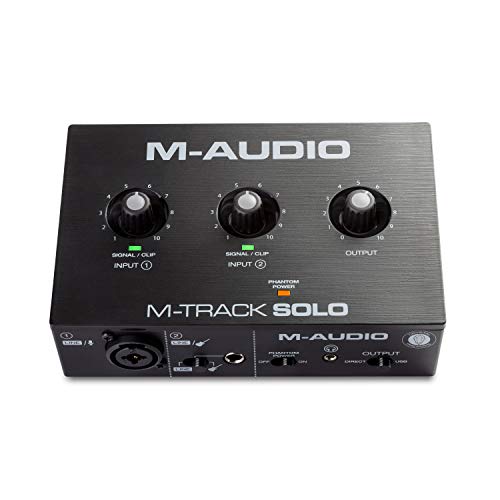
- 48kHz recording with zero-latency monitoring
- Combo XLR/line input plus instrument input
- Includes Crystal Preamp and MPC Beats software
Best For: Solo creators needing a simple PC interface for vocals, guitar, and streaming
Creator Workflow Interface
MAONO P2 Hybrid USB Audio Interface for PC, Phone, and iPad

- Dual USB support for computer and mobile devices
- 56dB gain with 24-bit/192kHz recording
- Loopback, mute, and routing software for creators
Best For: Streamers and podcasters who need hybrid device support and flexible routing
Studio-Ready All-Rounder
Focusrite Scarlett 2i2 4th Gen USB Audio Interface
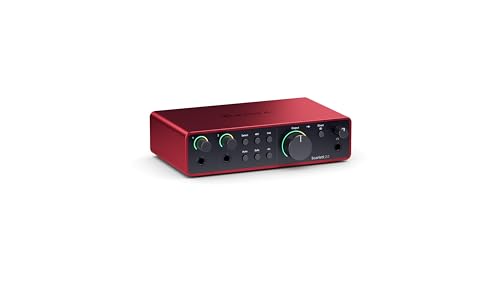
- 2 mic preamps and 2 Hi-Z instrument inputs
- 24-bit/192kHz conversion with 120dB dynamic range
- Auto Gain, Clip Safe, and Air modes
Best For: Songwriters and home recordists who want a polished, reliable PC interface
Compact Creator Pick – Focusrite Scarlett Solo 3rd Gen for clean PC recording
If you want a usb audio interface for pc that keeps setup simple while still delivering studio-style results, the Scarlett Solo 3rd Gen is an easy place to start. It offers a straightforward one-mic, one-instrument workflow with solid converters, low-noise playback, and useful software bundled in.
Best For: Guitarists, vocalists, and podcasters who want a simple, reliable recording setup for PC.
Pros:
- 1 XLR mic preamp plus 1 Hi-Z instrument input for basic recording needs
- 24-bit/192kHz conversion for detailed capture and playback
- Air mode adds extra clarity for acoustic instruments
- Includes Pro Tools Intro+, Ableton Live Lite, Cubase LE, and Hitmaker Expansion
Cons:
- Only one mic input and one instrument input, so it is not built for larger sessions
- Best fit for simple recording setups rather than multi-source tracking
Overall, this is a practical PC interface when you want dependable sound, easy operation, and a software bundle that helps you get recording quickly.
Warm Tone Choice – Universal Audio Volt 1 with vintage-style sound
The Universal Audio Volt 1 is a strong usb audio interface for pc if you want a compact interface with a more characterful front end. Its Vintage mode is designed to bring in the rich sound of UA’s classic 610 preamps, while the 24-bit/192kHz converters keep recordings clear and detailed.
Best For: Solo musicians and creators who want a compact interface with vintage-style coloration and bundled production tools.
Pros:
- Vintage mode inspired by UA’s classic 610 preamps
- Up to 24-bit/192kHz recording and crystal-clear converters
- Works with Mac, Windows, iPad, and iPhone
- Includes LUNA Digital Audio Workstation and access to UAD plug-ins and instruments
Cons:
- Only one-channel class interface, so it is better suited to simple setups
- Requires external Volt power supply for mobile use
If you value a polished sound and a streamlined recording workflow, Volt 1 is an appealing option for small home studios and portable sessions.
Budget Versatile Pick – Alloy Red 2×2 interface with loopback
This usb audio interface for pc focuses on simplicity, portability, and useful extras for everyday recording. It is class-compliant with plug-and-play USB-C connectivity, so you can get started quickly on Mac or PC without dealing with drivers, and the 2×2 layout gives you enough flexibility for vocals, guitar, or streaming.
Best For: PC and laptop users who want a portable, driver-free interface with loopback and direct monitoring.
Pros:
- Plug-and-play USB-C design with no drivers required
- 24-bit/192kHz recording with bus power for portable use
- Two combo inputs with 48V phantom power and Hi-Z support
- Monitor mix and loopback functions plus zero-latency direct monitoring
Cons:
- Windows compatibility is specifically listed in the details, so setup expectations should be checked carefully
- Headphone connection is 3.5mm rather than a larger studio-style output
For creators who want a compact, practical interface with modern connectivity and streaming-friendly features, this is a capable all-around choice.
Value Software Bundle – PreSonus AudioBox 96 for starter studios
The PreSonus AudioBox 96 is a practical usb audio interface for pc if you want a budget-friendly 2-channel setup with a strong software package. It combines Class-A mic preamps, instrument inputs, MIDI I/O, and bus-powered operation, making it a flexible starter interface for home recording.
Best For: Beginners and home recordists who want an affordable interface with software and MIDI support.
Pros:
- 2 Class-A mic preamps and 2 high-headroom instrument inputs
- Up to 24-bit/96kHz recording and playback
- MIDI I/O plus zero-latency mixer control
- Includes Studio One Artist, Ableton Live Lite, and Studio Magic Plug-In Suite
Cons:
- Maximum sample rate is 96kHz, which is lower than some competing interfaces
- Global 48V phantom power may be less flexible than per-channel control
It stands out most for value: you get useful connectivity, easy monitoring, and a large software bundle in a portable interface designed for straightforward PC recording.
Best for Easy Setup – Focusrite Scarlett Solo 4th Gen
If you want a USB audio interface for PC that keeps things simple without sounding basic, the Focusrite Scarlett Solo 4th Gen is built for solo recording. It gives you one XLR mic preamp and one Hi-Z instrument input, plus 24-bit/192kHz recording and a high 120dB dynamic range for clean, polished results.
Best For: Singer-songwriters, guitarists, and solo producers who want a straightforward interface with strong sound quality.
Pros:
- 1 XLR mic preamp and 1 Hi-Z instrument input for simple vocal-and-guitar setups
- 24-bit/192kHz recording with 120dB dynamic range for studio-quality capture
- Improved Air mode adds presence and harmonic drive to vocals and guitars
- Includes recording software and plugin bundle to help you start right away
Cons:
- Only two input channels, so it is not ideal for multi-source recording
- Best suited to solo creators rather than larger podcast or band setups
As a PC-friendly interface, the Scarlett Solo is strongest when you need dependable sound and an easy workflow for vocals plus one instrument. Its bundled software and polished preamps make it a practical pick for creators who value quality over extra inputs.
Budget All-Rounder – M-AUDIO M-Track Duo
The M-AUDIO M-Track Duo is a flexible USB audio interface for PC users who want a simple way to record, stream, or podcast. It offers two combo XLR/line/instrument inputs, 48kHz audio, and direct monitoring support for low-latency tracking.
Best For: Beginners and budget-minded creators who need an easy two-input interface for recording, streaming, or podcasting.
Pros:
- Two combo XLR/line/instrument inputs for mics, guitars, and other sources
- 48kHz resolution and transparent Crystal Preamps for clean capture
- USB/Direct switch supports zero-latency monitoring
- Includes MPC Beats software for getting started quickly
Cons:
- 48kHz max sample rate is lower than some competing interfaces
- Basic feature set may feel limited for advanced production needs
If you need a no-fuss PC interface for everyday content creation, the M-Track Duo covers the essentials well. It is especially appealing for users who want two inputs, straightforward monitoring, and bundled software without paying for extras they may not use.
Streamer-Friendly Choice – MAONO PS22 Lite
The MAONO PS22 Lite is a compact USB audio interface for PC built for creators who move between music, streaming, and voice work. With 24-bit/192kHz recording, a low-noise preamp, loopback support, ASIO driver compatibility, and routing software, it aims to cover more than a basic recording setup.
Best For: Streamers, podcasters, voice actors, and beginners who want flexible routing and easy switching between recording modes.
Pros:
- 24-bit/192kHz recording with 106dB dynamic range for detailed capture
- Low-noise preamp with up to 56dB gain and 48V phantom power
- Loopback and ProStudio Routing Software for streaming and broadcast use
- Plug-and-play design with direct monitoring and compact, portable size
Cons:
- Best fit is for solo creators rather than larger multi-input sessions
- Some features depend on using the MAONO ASIO driver in supported software
For PC creators who want an interface that handles both recording and streaming duties, the PS22 Lite brings useful extras like loopback and routing control. Its small footprint and beginner-friendly modes make it a sensible choice for home studios and content workflows.
Portable Starter Interface – M-Audio M-Track Solo for Recording, Streaming and Podcasting
If you want a straightforward usb audio interface for pc that can handle recording, streaming, and podcasting without a lot of setup, the M-Audio M-Track Solo is a practical entry-level pick. It offers a combo XLR/line input with phantom power, a separate line/instrument input, and zero-latency monitoring, so you can move from vocals to guitar to voice chat with minimal fuss.
Best For: Solo creators who want an affordable, simple interface for vocals, guitar, and streaming.
Pros:
- 48kHz USB recording resolution for clean everyday recording
- Combo XLR/Line input with phantom power plus a separate instrument input
- USB/Direct switch supports zero-latency monitoring
- Includes Crystal Preamp and MPC Beats software bundle
Cons:
- Only 2 channels, so it is not built for larger multi-input setups
- Max sample rate is 48kHz, below higher-resolution studio interfaces
This is a sensible choice if your priority is basic capture and monitoring on a PC with a small desktop footprint. It covers the essentials well and adds software to help beginners get started quickly.
Creator Workflow Interface – MAONO P2 Hybrid USB Audio Interface for PC, Phone, and iPad
The MAONO P2 is a flexible usb audio interface for pc users who also want to work from a phone or iPad without changing gear. Its dual USB ports, loopback, routing software, and independent mute controls make it a strong fit for podcasting, streaming, and mobile music recording when you need more control over your audio workflow.
Best For: Streamers and creators who want hybrid device support and advanced routing features.
Pros:
- Dual USB ports with MFi-certified connectivity for computer and mobile use
- 56dB gain and 24-bit/192kHz recording with -130dB EIN
- Loopback and ProStudio 2 routing software for desktop audio and effects
- Independent mute controls and direct monitoring for live use
Cons:
- Workflow features may be more than casual users need
- Detailed learning curve can be higher than a basic plug-and-play interface
For creators who switch between PC, phone, and tablet setups, the P2 stands out for convenience and control. It is especially appealing if you want loopback, mute options, and routing tools in one compact unit.
Studio-Ready All-Rounder – Focusrite Scarlett 2i2 4th Gen USB Audio Interface
If you are shopping for a usb audio interface for pc with a more polished recording feature set, the Focusrite Scarlett 2i2 4th Gen is built for serious home studio use. It combines two mic preamps, two Hi-Z instrument inputs, 24-bit/192kHz conversion, and helpful tools like Auto Gain, Clip Safe, and Air modes for recording vocals and guitars with less guesswork.
Best For: Songwriters, podcasters, and home recordists who want a refined all-purpose interface.
Pros:
- 2 mic preamps and 2 Hi-Z instrument inputs for flexible tracking
- 120dB dynamic range and 24-bit/192kHz recording quality
- Auto Gain and Clip Safe help prevent bad levels and clipping
- Air mode adds presence and harmonic drive to vocals and guitars
Cons:
- More premium feature set may cost more than entry-level options
- Only 2 channels, so it is still geared toward compact setups
The Scarlett 2i2 4th Gen is the strongest all-around option here if you want a proven PC interface with modern recording aids and bundled software. It is a solid pick for creators who want to grow into better recordings without moving to a larger interface.
How We Picked the Best USB Audio Interface for PC
For this roundup, we prioritized sound quality, preamp performance, driver reliability, input and output flexibility, and overall value. We also looked for models that are straightforward to set up on a Windows PC and useful for common needs like solo recording, two-person sessions, and live streaming.
Quick Comparison
The best USB Audio Interface for PC depends on how you record. Solo creators usually only need one mic input and one instrument input. Dual-input models are better for interviews, guitars and vocals together, or small home studios. If you stream, loopback and routing features can matter as much as raw audio specs.
Key Buying Factors for a USB Audio Interface for PC
Inputs and Use Case
Match the input count to your workflow. A single XLR input is enough for voice recording or one-person podcasting, while 2×2 interfaces are more versatile for music and streaming. If you plan to record guitar and vocals at the same time, choose a unit with dual combo inputs or a dedicated instrument input.
Sound Quality and Gain
Look for clean preamps, enough gain for dynamic microphones, and support for higher sample rates if you want more editing headroom. Good converters and low-noise circuitry matter more than marketing terms.
Driver Support and Latency
On Windows, stable ASIO support and low-latency monitoring are important. A well-supported USB Audio Interface for PC should let you record in real time without distracting delay or dropouts.
Monitoring and Streaming Features
Direct monitoring, loopback, mute controls, and routing software can be major advantages for content creators. These features make it easier to blend microphone audio, game audio, and backing tracks cleanly.
Who Should Buy Which USB Audio Interface for PC?
If you are a beginner or solo creator, a compact single-input interface is often the smartest buy. If you record multiple sources, stream regularly, or want more flexibility for future projects, step up to a 2-in/2-out model with stronger monitoring features.
Musicians who want the best all-around balance should focus on interfaces with solid preamps and reliable drivers, while podcasters and streamers should weigh convenience features like loopback, mute buttons, and simple gain control more heavily.
