
Choosing the right expansion chassis can make a big difference in how reliably your audio interface, DSP, or other PCIe card performs on a laptop or compact desktop.
This roundup highlights the best Thunderbolt PCIe expansion chassis for audio cards in 2026, with a focus on compatibility, slot layout, and practical studio use.
Best 10 Thunderbolt Pcie Expansion Chassis for Audio Cards Picks for 2026
Best for Audio Interfaces
StarTech Thunderbolt 3 PCIe Expansion Chassis

- Thunderbolt 3/4 with up to 40Gbps bandwidth
- Supports single-width PCIe audio and capture cards
- Driverless macOS and Windows compatibility
Best For: Audio pros needing a simple Thunderbolt PCIe enclosure for single-slot cards.
Best for Single-Card Rigs
Sonnet Echo Express SE1 Thunderbolt 3

- Single PCIe 3.0 x8 slot for pro audio and DSP cards
- Thunderbolt 3 connection with strong 40Gbps bandwidth
- Compact chassis with daisy-chaining and display support
Best For: Pro audio users who need to run one PCIe card from a Thunderbolt 3 computer.
Best for Studio-Quiet PCIe Cards
Thunderbolt 4/3 USB4 PCIe Enclosure
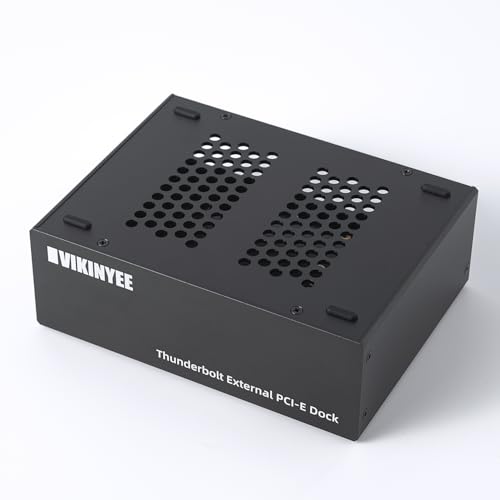
- Fanless aluminum chassis keeps operation silent
- Supports Thunderbolt 3/4 and USB4 systems
- Good fit for audio, capture, or 10GbE cards
Best For: Recording studios and creators who need a quiet external PCIe slot for audio or capture cards.
Best for Compact 1-Slot Audio Setups
Sonnet Echo Express SEL Thunderbolt 3

- Compact 1-slot enclosure for low-profile cards
- Thunderbolt 3 connection for modern rigs
- Simple external PCIe expansion for audio workflows
Best For: Users who need a compact Thunderbolt 3 enclosure for one low-profile audio card.
Best for Dual-Slot Expansion
Thunderbolt 3 Dual PCIe Chassis

- Two PCIe 3.0 x16 slots for flexible expansion
- Silent all-aluminum passive cooling design
- Driverless enclosure support on Windows, Mac, and Linux
Best For: Users who need a compact dual-slot Thunderbolt enclosure for audio and other PCIe cards.
Best Rackmount Option
Sonnet Echo III Rackmount 3-Slot Expansion
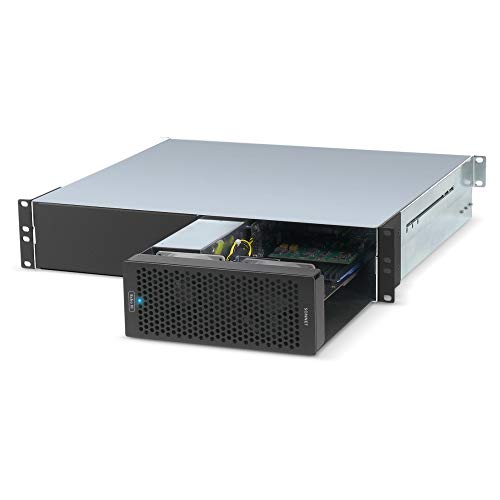
- 3 PCIe slots for flexible expansion
- Rackmount form factor suits studio installs
- Thunderbolt 3 for external PCIe workflows
Best For: Studio users needing a rackmount Thunderbolt 3 expansion chassis for audio and pro I/O cards.
Best for Comfort
Dual PCIe to Thunderbolt 3/4 Chassis

- Two PCIe slots for multi-card workflows
- 40Gbps support for high-bandwidth expansion
- Fanless aluminum case keeps operation silent
Best For: Studio and workstation users who need to run two external PCIe cards from a laptop or mini PC.
Best for 3-Card Audio Rigs
Sonnet Echo Express SEIIIe Thunderbolt 3

- Three PCIe 3.0 slots for multiple cards
- Up to 2750 MB/s over Thunderbolt 3
- Supports full-height, half-length cards
Best For: Mac audio users who need a 3-slot Thunderbolt 3 chassis for several PCIe cards.
Best for Silent Studios
Thunderbolt 3/4 USB4 Dual PCIe Chassis
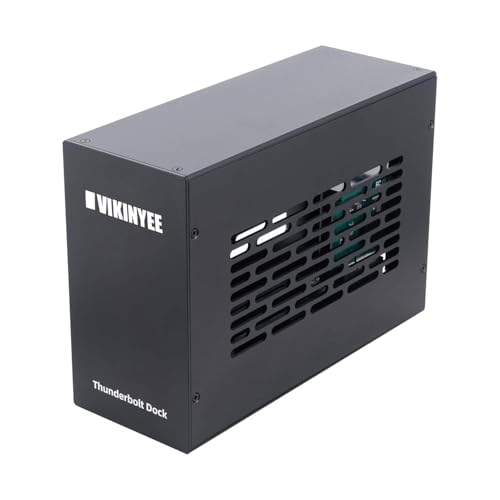
- Quiet passive cooling for recording spaces
- Dual PCIe slots with 40Gbps Thunderbolt/USB4 support
- Cross-platform compatibility for Mac, Windows, and Linux
Best For: Recording studios and mobile creators needing a quiet external PCIe enclosure for audio cards.
Best for Thunderbolt 5 Speed
Sonnet Echo SE I T5 PCIe Expansion Chassis

- Thunderbolt 5 with up to 6000 MB/s bi-directional bandwidth
- Supports one full-height PCIe 4.0 x8 card with daughter-card compatibility
- Quiet aluminum enclosure with auxiliary PCIe power
Best For: Pro audio users who need a fast, quiet external PCIe enclosure for one high-performance card.
Best for Audio Interfaces – StarTech Thunderbolt 3 PCIe Expansion Chassis
If you need a dependable thunderbolt pcie expansion chassis for audio cards, this StarTech enclosure is a practical way to add a real PCIe slot to a Thunderbolt 3/4 laptop or desktop. It’s a strong fit for musicians, engineers, and content creators who want to run PCIe audio hardware without building a full tower, as long as the card fits the single-slot, non-GPU design.
Best For: Audio professionals who need a compact Thunderbolt-connected PCIe chassis for interface cards, DSP cards, or similar single-width expansion hardware.
Pros:
- Thunderbolt 3/4 connectivity with up to 40Gbps bandwidth for low-latency expansion.
- Supports single-width PCIe 3.0 cards, making it suitable for many audio and capture cards.
- Driverless setup on macOS and Windows helps keep installation straightforward.
- Includes active cooling, daisy-chain support, and a Thunderbolt cable in the box.
Cons:
- Only one PCIe slot, so it’s not ideal for multi-card rigs.
- Does not support GPU graphics cards.
- Card length is limited to 8 inches, which can rule out some larger expansion cards.
This is a focused choice if you want a thunderbolt pcie expansion chassis for audio cards and other single-slot peripherals without extra setup hassle. It trades broad expandability for a simpler, more portable enclosure that works well for mobile production and studio workflows.
Best for Single-Card Rigs – Sonnet Echo Express SE1 Thunderbolt 3
If you need a reliable thunderbolt pcie expansion chassis for audio cards, the Sonnet Echo Express SE1 is a straightforward way to add one high-performance PCIe device to a Mac or Windows system without slots. It’s a compact Thunderbolt 3 enclosure built for serious cards, making it a practical fit for DSP, audio interface, and other pro workflow add-ons.
Best For: Producers, engineers, and Mac or Windows users who need to run a single pro audio PCIe card from a Thunderbolt 3 port.
Pros:
- Single PCIe 3.0 x8 slot supports many high-performance audio and pro cards
- Thunderbolt 3 bandwidth helps preserve near-full card performance
- Compact desktop footprint is easier to place in studio setups
- Two Thunderbolt 3 ports allow daisy-chaining and extra display connectivity
Cons:
- Only one expansion slot, so it won’t suit multi-card systems
- Not intended for GPU use
- May be overkill if you only need a simple adapter, not a full enclosure
For buyers comparing a thunderbolt pcie expansion chassis for audio cards, this Sonnet model stands out for its focused single-slot design and strong Thunderbolt 3 throughput. It’s best when you want dependable external PCIe expansion without adding unnecessary bulk or complexity.
Best for Studio-Quiet PCIe Cards – Thunderbolt 4/3 USB4 PCIe Enclosure
If you need a thunderbolt pcie expansion chassis for audio cards, the VK-G2 is a practical way to add a single PCIe 3.0 x4 card to a Thunderbolt 3/4 or USB4 laptop, mini PC, or workstation. It’s built for low-noise environments, with a silent aluminum shell and enough bandwidth for demanding add-on cards like capture, networking, storage, or pro audio interfaces.
Best For: Recording studios, edit bays, and mobile creators who want a quiet external PCIe slot for audio cards or other pro workflow hardware.
Pros:
- Silent, fanless aluminum design suits noise-sensitive studios
- Works with Thunderbolt 3/4 and USB4 on macOS, Windows, and Linux
- Dual Thunderbolt ports plus a dedicated DisplayPort 1.4 output
- Supports PCIe 3.0 x4 cards up to 145 mm long
Cons:
- Limited to one PCIe x4 card, so it’s not a multi-card enclosure
- Best suited to pro cards that fit the 145 mm length limit
- Not ideal if you need more expansion than a single external slot
For a thunderbolt pcie expansion chassis for audio cards, this model stands out most for its quiet operation and straightforward plug-and-play approach. It’s a strong fit when you want external PCIe performance without adding fan noise to a recording space.
Best for Compact 1-Slot Audio Setups – Sonnet Echo Express SEL Thunderbolt 3
Sonnet Echo Express SEL Thunderbolt 3-to-PCIe Expansion Chassis (1 Low Profile Slot)
Check Price On AmazonIf you need a thunderbolt pcie expansion chassis for audio cards and only plan to run a single low-profile card, the Sonnet Echo Express SEL keeps the setup compact and straightforward. It gives you a Thunderbolt 3-to-PCIe bridge in a small enclosure, making it a practical fit for mobile studios and lean desktop rigs.
Best For: Producers, engineers, and home-studio users who need to add one low-profile PCIe audio card over Thunderbolt 3.
Pros:
- Compact 1-slot design saves desk space
- Thunderbolt 3 connectivity for modern Mac and Windows workflows
- Good fit for low-profile audio interface and DSP cards
- Simplifies external PCIe expansion without a large chassis
Cons:
- Only supports one low-profile PCIe card
- Not ideal if you need multiple expansion slots
- Requires Thunderbolt 3-compatible system and cabling
For buyers who want a focused thunderbolt pcie expansion chassis for audio cards rather than a multi-slot workstation box, this Sonnet model is a clean, space-saving choice. It’s best when your workflow centers on one essential PCIe audio card and you want reliable external expansion with minimal clutter.
Best for Dual-Slot Expansion – Thunderbolt 3 Dual PCIe Chassis
If you need a thunderbolt pcie expansion chassis for audio cards and other add-in hardware, the MK-Q2L is built around a simple dual-slot layout with 40Gbps Thunderbolt connectivity. It is a practical pick for laptop and small-form-factor users who want to run capture cards, network adapters, storage, or audio interfaces that depend on PCIe expansion.
Best For: Creators and engineers who want a compact, silent Thunderbolt enclosure for two PCIe cards.
Pros:
- Two PCIe 3.0 x16 slots give you room for more than one expansion card.
- Passive, all-aluminum design keeps operation silent for studio use.
- Includes 60W power supply plus extra PCIe power support for compatible cards.
- Driverless enclosure support on Windows, macOS, and Linux.
Cons:
- Only the enclosure is driverless; your PCIe cards still need their own drivers.
- 60W external power may be limiting for some higher-draw cards.
- Best suited to cards within the stated size limits.
This is a strong fit if you want a compact thunderbolt pcie expansion chassis for audio cards and other low-noise studio hardware, especially when you need two slots instead of one. It favors flexibility and quiet operation over raw power, so check your card dimensions and power needs before buying.
Best Rackmount Option – Sonnet Echo III Rackmount 3-Slot Expansion
Sonnet Echo III Rackmount a 3-Slot Rackmount Thunderbolt 3 to PCIe Card Expansion System
Check Price On AmazonIf you need a reliable thunderbolt pcie expansion chassis for audio cards, the Sonnet Echo III Rackmount is built for professional desktops, studio racks, and multi-card workflows. Its 3-slot design gives you room for interface and DSP cards while keeping the setup neatly integrated into a rack system.
Best For: Studio users who want a rackmount Thunderbolt 3 expansion chassis for audio and pro I/O cards.
Pros:
- 3 PCIe slots for flexible audio card and expansion setups
- Rackmount design is a good fit for studio and machine-room installs
- Thunderbolt 3 connectivity keeps the system simple to integrate
- Well suited to pro audio workflows that need stable external PCIe access
Cons:
- Overkill if you only need a single card
- Rackmount format takes more space than desktop enclosures
For buyers comparing a thunderbolt pcie expansion chassis for audio cards, this Sonnet model stands out when rack integration and multiple expansion slots matter more than portability. It is a strong pick for studio environments where clean installation and dependable card access are priorities.
Best for Comfort – Dual PCIe to Thunderbolt 3/4 Chassis
If you need a thunderbolt pcie expansion chassis for audio cards or other high-bandwidth peripherals, the VK-N2L is built for serious desktop-class expansion from a laptop or mini PC. Its dual PCIe slot layout, 40Gbps Thunderbolt 3/4 and USB4 connection, and fanless aluminum case make it a practical fit for studio and post-production rigs where silence and stability matter.
Best For: Users who want to run two PCIe cards externally on macOS, Windows, or Linux without opening their computer.
Pros:
- Two external PCIe 3.0 x16 slots for flexible multi-card setups
- 40Gbps connection supports demanding cards like capture, networking, and NVMe adapters
- Silent all-aluminum, fanless design suits recording and editing environments
- Built-in 60W PSU provides dedicated power for installed PCIe cards
Cons:
- No Power Delivery, so it will not charge your laptop over the same cable
- Card size is limited to 205 x 145 x 25 mm
- PCIe cards still need their own drivers, even though the chassis is plug-and-play
For buyers comparing a thunderbolt pcie expansion chassis for audio cards, this one stands out for its dual-slot layout and quiet operation, but it makes the most sense if you already know your card dimensions and do not need laptop charging.
Best for 3-Card Audio Rigs – Sonnet Echo Express SEIIIe Thunderbolt 3
If you need a thunderbolt pcie expansion chassis for audio cards, the Sonnet Echo Express SEIIIe is a straightforward way to add up to three PCIe cards to a Thunderbolt 3 Mac. It’s a strong fit for studios that need room for DSP, pro audio interfaces, storage, or specialty I/O cards without moving to a full desktop tower.
Best For: Mac-based audio users who want a 3-slot Thunderbolt 3 chassis for multiple PCIe cards in one enclosure.
Pros:
- Three PCIe 3.0 slots let you run multiple cards at the same time
- Thunderbolt 3 connection delivers up to 2750 MB/s of PCIe bandwidth
- Works with full-height, half-length cards up to 7.75 inches long
- Includes a 2-year warranty and lifetime support
Cons:
- Designed for Mac systems with Thunderbolt 3, so compatibility needs checking
- Not ideal if you only need a single expansion slot
For buyers comparing a thunderbolt pcie expansion chassis for audio cards, this model stands out for its 3-slot layout and solid bandwidth in a compact desktop enclosure. It’s a practical pick when you need flexibility for several PCIe devices, not just one add-in card.
Best for Silent Studios – Thunderbolt 3/4 USB4 Dual PCIe Chassis
If you need a thunderbolt pcie expansion chassis for audio cards, this VK-K2L enclosure is a practical way to add pro PCIe hardware to a laptop or mini PC without creating fan noise in the room. It gives you dual PCIe 3.0 x16 slots, broad Thunderbolt 3/4 and USB4 support, and enough power for a stable studio-style setup.
Best For: Recording studios, editors, and mobile creators who want a quiet external PCIe enclosure for audio interfaces and other pro cards.
Pros:
- Silent aluminum enclosure with passive cooling, great for noise-sensitive spaces
- Dual PCIe slots and 40Gbps bandwidth for pro cards, capture gear, and fast peripherals
- Works with Windows, macOS, and Linux for flexible cross-platform use
- Includes 15W USB-C power delivery and a 60W internal PSU for stable operation
Cons:
- PCIe cards may still require their own drivers and compatibility checks
- Size limits mean some full-length cards will not fit
- Not the cheapest option if you only need a single-slot expansion
For buyers comparing a thunderbolt pcie expansion chassis for audio cards, this model stands out for its quiet operation and dual-slot flexibility more than raw portability. It is a strong fit when you want a dependable desktop-grade enclosure for studio work and other pro PCIe peripherals.
Best for Thunderbolt 5 Speed – Sonnet Echo SE I T5 PCIe Expansion Chassis
If you need a thunderbolt pcie expansion chassis for audio cards that can keep up with demanding studio work, the Sonnet Echo SE I T5 is built for serious throughput and broad compatibility. It brings Thunderbolt 5 speed to a single full-height PCIe card, making it a practical external option for pro audio, storage, video, and networking setups on Mac, Windows, and Linux.
Best For: Producers, engineers, and creators who want a fast external PCIe enclosure for one high-performance audio interface or DSP card.
Pros:
- Thunderbolt 5 connection with up to 6000 MB/s bi-directional PCIe bandwidth
- Supports half-length, full-height, single-width PCIe 4.0 x8 cards and many daughter-card designs
- Auxiliary PCIe power helps run more demanding cards reliably
- Quiet aluminum enclosure with variable-speed cooling for studio use
Cons:
- Designed for only one PCIe card, so it is not a multi-card expansion solution
- Thunderbolt 5 support may be more than some older systems can take advantage of
- Higher-end performance usually means a higher price than basic enclosures
For buyers comparing a thunderbolt pcie expansion chassis for audio cards, this model stands out for its speed, power delivery, and quiet desktop-friendly design. It is a strong fit if your workflow depends on one mission-critical PCIe card and you want external expandability without giving up professional performance.
How We Picked the Best Thunderbolt Pcie Expansion Chassis for Audio Cards
For this guide, we focused on chassis that are relevant to studio workflows: stable Thunderbolt connectivity, PCIe support that matches common audio cards, and enclosure designs that work well with laptops, Mac systems, mini PCs, and desktops. We also looked at slot count, card height support, and whether the chassis is suitable for full-time production use.
Quick Comparison
The biggest differences among a Thunderbolt Pcie Expansion Chassis for Audio Cards are the number of PCIe slots, the version of Thunderbolt or USB4 support, and whether the enclosure is designed for a single card or a multi-card setup. Single-slot models are usually best for one dedicated audio card, while dual- and triple-slot systems make more sense for studios combining capture, storage, DSP, or expansion cards.
Key Buying Factors for Thunderbolt Pcie Expansion Chassis for Audio Cards
Slot Count and Card Size
Start with the card you already own or plan to buy. Full-height cards need more space, while low-profile models can fit in smaller enclosures. If you only need one professional audio card, a single-slot chassis is often the cleanest choice. If you expect to expand later, a multi-slot enclosure may be worth the extra cost and desk space.
Thunderbolt Version and Bandwidth
Thunderbolt 3, Thunderbolt 4, and USB4 enclosures can all be viable, but the best choice depends on your system and card demands. For audio work, low-latency stability matters more than peak speed alone. Make sure the chassis is certified or explicitly compatible with your computer and operating system.
Power, Cooling, and Noise
Audio studios need dependable power delivery and quiet operation. Check whether the chassis includes enough power for your card and whether its cooling system is likely to stay quiet under load. Fan noise may matter more in a recording room than in an editing suite.
Compatibility and Workflow
Some users need a simple plug-in expansion for one interface card, while others need support for capture, monitoring, or DSP cards alongside audio hardware. The right Thunderbolt Pcie Expansion Chassis for Audio Cards should fit both the card type and your workflow without forcing unnecessary compromises.
Who Should Buy Which Thunderbolt Pcie Expansion Chassis for Audio Cards?
Buy a single-slot chassis if you only need one audio or DSP card and want the simplest setup. Choose a dual-slot model if you may add a second PCIe device later or need more flexibility. Go with a rackmount, multi-slot enclosure if you are building a studio rig, post-production workstation, or mobile production setup that needs more expansion headroom. If you are upgrading to newer systems, consider Thunderbolt 4, USB4, or Thunderbolt 5 support for better future compatibility.
