
When you’re on location, the right RAID storage solution can make all the difference in your workflow. You need reliability and speed to handle high-capacity files without a hitch. With so many options available, it’s essential to know which ones stand out for demanding shoots. Let’s explore the top picks that combine performance and portability, ensuring your data remains safe and accessible when you need it most.
Seagate Portable 2TB External Hard Drive HDD
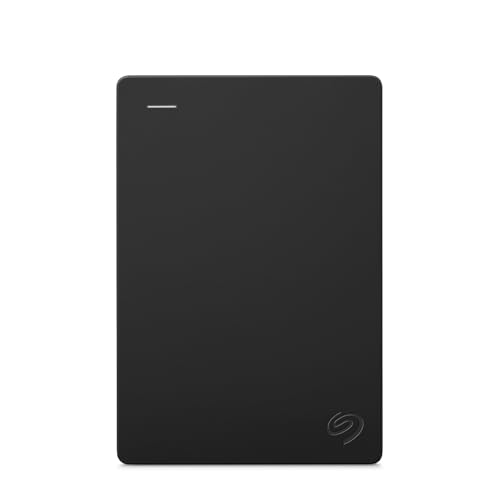
The Seagate Portable 2TB External Hard Drive HDD is a fantastic choice for filmmakers and photographers who need reliable storage on-the-go. With 2TB of space, it easily holds all your essential content. You’ll appreciate its compatibility with PC, Mac, PlayStation, and Xbox, making setup a breeze. Just connect it to your computer, and it recognizes automatically—no software installation needed. The plug-and-play simplicity allows for easy file backup with drag-and-drop functionality. Plus, it comes with an 18-inch USB 3.0 cable for fast data transfers. Don’t forget the 1-Year Rescue Service for added data recovery support, giving you peace of mind.
Best For: Filmmakers and photographers who need reliable and portable storage for their content.
Pros:
- Plug-and-play simplicity allows for easy setup without the need for software installation.
- Large 2TB storage capacity provides ample space for storing high-resolution videos and images.
- Fast data transfer with the included 18-inch USB 3.0 cable ensures efficient file transfers.
Cons:
- Limited physical size may be less durable compared to rugged external drives.
- Not waterproof or shockproof, which could be a concern for outdoor use.
- 1-Year Rescue Service may not be sufficient for users requiring long-term data recovery support.
SANDISK 1TB Extreme PRO Portable SSD
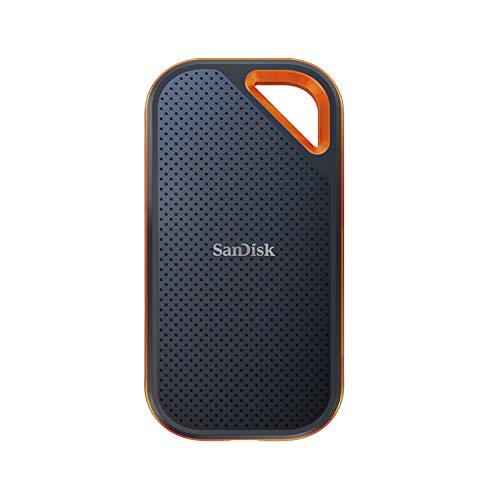
For professionals who need reliable storage while on location, the SANDISK 1TB Extreme PRO Portable SSD stands out with its exceptional read and write speeds of up to 2000MB/s. Its forged aluminum chassis acts as a heatsink, ensuring sustained performance. With up to 3-meter drop protection and an IP65 rating for water and dust resistance, you can trust it in tough environments. Plus, it features 256-bit AES hardware encryption for secure data storage. The SanDisk Memory Zone app helps you manage your files efficiently. This SSD is both portable and durable, making it an ideal choice for your shoots.
Best For: Professionals who require high-speed, durable, and secure portable storage for on-location work.
Pros:
- Exceptional read and write speeds of up to 2000MB/s enhance productivity.
- Robust design with a forged aluminum chassis and IP65 rating for water and dust resistance.
- Built-in 256-bit AES hardware encryption ensures data security.
Cons:
- Actual performance may vary based on host device and usage conditions.
- Requires installation of the SanDisk Memory Zone app for optimal file management.
- Higher price point compared to standard portable SSDs may not fit all budgets.
Seagate Portable 5TB External Hard Drive (STGX5000400)
Looking for a reliable storage solution during on-location shoots? The Seagate Portable 5TB External Hard Drive (STGX5000400) is an excellent choice. With its massive 5TB capacity, you can easily store all your content without worrying about running out of space. It’s compatible with PC, Mac, PS4, and Xbox, and features USB 3.0 for fast data transfer. Setup is a breeze—just plug it in, and it automatically recognizes your device. Plus, you’ll appreciate the simple drag-and-drop backup process. With a 1-Year Rescue Service included, you can trust your data is safe with Seagate.
Best For: Photographers and videographers looking for a high-capacity, portable storage solution during on-location shoots.
Pros:
- Supports multiple devices including PC, Mac, PS4, and Xbox.
- Simple plug-and-play setup with automatic recognition.
- Fast data transfer speeds with USB 3.0 compatibility.
Cons:
- Limited to 5TB of storage, which may not be enough for some heavy users.
- Lacks hardware encryption for added data security.
- Dependence on USB 3.0 ports may be an issue for older devices.
Lexar ES3 1TB External SSD, USB 3.2 Gen2 Portable SSD

When you’re in the midst of an on-location shoot, having a reliable and fast storage solution is essential, and the Lexar ES3 1TB External SSD delivers just that. With impressive read speeds of up to 1050MB/s and write speeds of up to 1000MB/s, you’ll experience rapid file transfers, especially when using USB 3.2 Gen 2. It’s compatible with a range of devices, including the iPhone 15 series, Android devices, and gaming consoles. Plus, its lightweight and compact design makes it easy to toss in your pocket. With 256-bit AES encryption, your data stays safe and secure.
Best For: Photographers, videographers, and gamers who need fast and reliable portable storage solutions.
Pros:
- High-speed performance: Read speeds up to 1050MB/s and write speeds up to 1000MB/s ensure quick file transfers.
- Wide compatibility: Works with a variety of devices including the latest iPhone 15 series, Android devices, and gaming consoles.
- Compact and portable design: Lightweight at 42g and thin at 10.5mm, making it easy to carry in your pocket.
Cons:
- Performance limitations: Speeds may decrease if not connected via USB 3.2 Gen 2.
- Limited compatibility with older devices: Not supported on iPhone 14 and older models.
- Dependence on encryption software: Requires Lexar DataShield™ for data protection, which may require additional setup.
SanDisk Professional 52TB G-RAID Project 2 External Hard Drive

The SanDisk Professional 52TB G-RAID Project 2 External Hard Drive stands out as an exceptional choice for professionals managing demanding workflows, particularly in 4K, 8K, and VR video production. With a massive 52TB capacity, it provides ample space for your extensive projects. Enjoy impressive read and write speeds of up to 520 MB/s and 510 MB/s, ensuring smooth data transfers. The Thunderbolt 3 and USB interfaces enhance connectivity, while the pre-configured RAID 0 setup boosts performance. Weighing 6.68 pounds, it’s sturdy yet portable, perfect for on-location shoots. Plus, the 5-year limited warranty offers peace of mind for your investment.
Best For: Professionals managing demanding workflows in 4K, 8K, and VR video production who require high storage capacity and fast data transfer speeds.
Pros:
- High storage capacity of up to 52TB, ideal for extensive projects.
- Impressive read and write speeds of up to 520 MB/s and 510 MB/s for efficient data transfers.
- Pre-configured in RAID 0 for enhanced performance and equipped with Thunderbolt 3 and USB interfaces for versatile connectivity.
Cons:
- Weighs 6.68 pounds, which may be less portable for some users.
- RAID 0 configuration offers no redundancy, increasing the risk of data loss if a drive fails.
- Higher price point compared to standard external hard drives with lower capacities.
Seagate Expansion 22TB External Hard Drive HDD
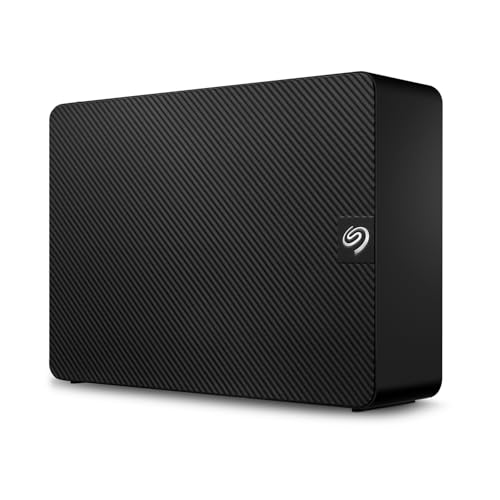
For videographers and photographers on location, the Seagate Expansion 22TB External Hard Drive HDD stands out as a reliable storage solution. With easy setup, just plug in the power adapter and USB cable, and you’re ready to go. It automatically recognizes both Windows and Mac computers, although you’ll need to reformat it for Time Machine. Fast file transfers with USB 3.0 mean you can drag and drop files effortlessly. Plus, you’ll enjoy peace of mind with a limited warranty and access to Rescue Data Recovery Services, ensuring your valuable content is safe and sound.
Best For: Videographers and photographers looking for a reliable and high-capacity external storage solution.
Pros:
- Easy setup with plug-and-play functionality for both Windows and Mac computers.
- Fast file transfers using USB 3.0 technology, allowing for quick drag-and-drop file saving.
- Includes limited warranty and access to Rescue Data Recovery Services for added security and peace of mind.
Cons:
- Reformatting required for use with Time Machine on Mac computers, which may be inconvenient for some users.
- Bulkier design compared to smaller portable hard drives, making it less ideal for travel.
- Limited compatibility with older operating systems that may not support USB 3.0.
Samsung T7 Portable SSD (1TB)
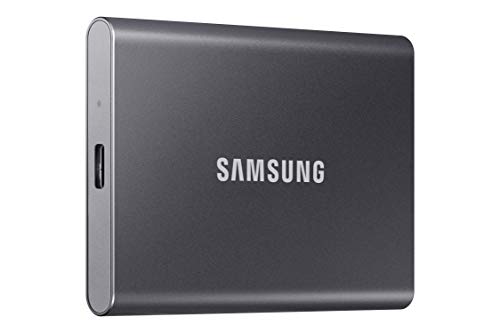
If you’re a professional photographer or videographer shooting in high-resolution formats, the Samsung T7 Portable SSD (1TB) is a game-changer for your on-location storage needs. With speeds up to 1,050MB/s, it easily handles 4K 60fps video recording, keeping your workflow smooth and efficient. Its compact design and extensive compatibility with PCs and mobile devices make it versatile for any project. Plus, the shock-resistant aluminum unibody guarantees durability, protecting your data from falls up to 6 feet. Manufactured by the world’s #1 flash memory brand, you can trust the T7 for dependable, high-performance storage wherever you go.
Best For: Professional photographers and videographers seeking high-speed, portable storage for high-resolution video recording and photography.
Pros:
- Fast Speeds: Read/write speeds of up to 1,050/1,000 MB/s enhance workflow efficiency.
- Durable Construction: Shock-resistant aluminum unibody protects against falls up to 6 feet.
- Wide Compatibility: Works seamlessly with PCs and mobile devices, suitable for various applications.
Cons:
- Price: May be more expensive compared to traditional HDDs or lower-capacity SSDs.
- Limited Storage Options: While available up to 4TB, some users may require larger capacities for extensive projects.
- No Built-in Encryption: Lacks hardware encryption options for added data security.
SANDISK 4TB Extreme Portable SSD (SDSSDE70-4T00-G25)

Designed with photographers and videographers in mind, the SANDISK 4TB Extreme Portable SSD (SDSSDE70-4T00-G25) offers lightning-fast transfer speeds of up to 2000MB/s, making it an essential tool for on-location shoots. Weighing just 0.1 pounds, its pocket-sized design guarantees portability without sacrificing performance. With IP65 water and dust resistance, plus drop protection up to 3 meters, it’s built to endure tough conditions. The SSD features 256-bit AES encryption for added security, allowing you to safeguard your valuable data. Back up projects and organize content seamlessly across devices with this top-tier external solid-state drive, rated #1 in its category.
Best For: Photographers and videographers seeking a reliable, high-speed storage solution for on-location projects.
Pros:
- High transfer speeds of up to 2000MB/s, facilitating quick data transfers.
- Durable design with IP65 rating for water and dust resistance and drop protection up to 3 meters.
- 256-bit AES encryption for enhanced security of stored data.
Cons:
- Write speeds are lower than the maximum read speed, which may affect large file transfers.
- Limited compatibility for older devices that do not support USB Type-C.
- Relatively expensive compared to traditional hard drives with similar storage capacity.
SANDISK 1TB Extreme PRO SDXC UHS-I Memory Card

The SanDisk 1TB Extreme PRO SDXC UHS-I Memory Card stands out as an essential tool for photographers and videographers who demand high performance in their on-location shoots. With offload speeds reaching up to 200MB/s and write speeds up to 140MB/s, you’ll experience quick data transfer and efficient workflow. It’s optimized for 4K UHD video recording and supports Full HD, ensuring you capture stunning visuals. Featuring UHS Speed Class 3 and Video Speed Class 30, this card guarantees reliable performance during real-time recording. Pair it with the SanDisk Professional PRO-READER for maximum speed, making it perfect for your creative projects.
Best For: Professional photographers and videographers who require high-speed data transfer and reliability for 4K UHD video recording.
Pros:
- High offload speeds of up to 200MB/s for quick data transfer.
- Optimized for both Full HD and 4K UHD video recording.
- UHS Speed Class 3 and Video Speed Class 30 ensure reliable performance during real-time recording.
Cons:
- Maximum speeds are only achievable with compatible SanDisk accessories.
- Higher price point compared to standard memory cards.
- Performance may vary based on device and environmental conditions.
Corsair EX400U 2TB USB4 Portable External SSD

For photographers and videographers on location, the Corsair EX400U 2TB USB4 Portable External SSD stands out with its impressive read speeds of up to 4,000MB/s. With a compact 2.5-inch form factor and a lightweight design at just 0.2 pounds, it’s easy to carry. The USB4 interface guarantees compatibility with various devices, while its write speed of up to 3,600MB/s keeps your workflow seamless. Plus, setup is a breeze—just plug it in, and you’re ready to go. With a 3-year warranty and a robust build, this SSD is a reliable choice for your storage needs on the go.
Best For: Photographers and videographers seeking high-speed portable storage solutions for on-location work.
Pros:
- Impressive performance with read speeds up to 4,000MB/s and write speeds up to 3,600MB/s.
- Compact and lightweight design makes it easy to transport without adding bulk.
- Plug-and-play setup allows for quick and easy use with minimal hassle.
Cons:
- Higher price point compared to traditional external hard drives.
- Limited compatibility with older devices that don’t support USB4 or USB 3.2 Gen2.
- May require additional software (Corsair SSD Toolbox) for advanced management features.
Factors to Consider When Choosing Raid Storage for On Location Shoots
When choosing RAID storage for on-location shoots, you need to weigh several key factors. Consider your storage capacity requirements, data transfer speeds, and how portable and durable the device is. Also, make certain it’s compatible with your existing equipment to guarantee a smooth workflow.
Storage Capacity Requirements
Choosing the right RAID storage solution for on-location shoots means accurately evaluating your storage capacity requirements. Start by estimating the total storage you’ll need based on the high-resolution images and video footage expected. Keep in mind that higher resolutions, like 4K, greatly increase file sizes. Typically, 1TB can hold about 1,000 high-res images or several hours of 4K video. Assess available RAID configurations, as they can affect usable storage due to redundancy. Don’t forget to anticipate future needs, including potential extra shoots or multiple camera angles, which may require several terabytes. Finally, make sure your RAID setup includes enough capacity for backups of critical content, safeguarding your valuable footage while on location.
Data Transfer Speeds
How can you guarantee smooth data transfers during your on-location shoots? First, focus on data transfer speeds, which are essential for backing up large files, especially in high-resolution formats like 4K and 8K. Opt for RAID configurations that combine multiple drives, allowing for faster read and write operations. Pay attention to the connection interface; Thunderbolt 3, with speeds up to 40Gbps, vastly outperforms USB 3.0’s maximum of 5Gbps. Check the sequential read and write speeds of your storage solution—aim for 2000MB/s and above to save time during transfers. Finally, confirm compatibility with your host device’s interface, as mismatched speeds can lead to underperformance and slower data transfers, hindering your workflow.
Portability and Weight
Since on-location shoots often involve travel and movement, portability and weight become vital factors in selecting RAID storage solutions. Lightweight options notably ease transport during long shoots or travel, allowing you to focus on your work instead of hauling heavy gear. A compact design is essential; it helps your RAID storage fit into bags without adding excessive bulk. Look for portable solutions that include built-in handles or carabiner loops, making it easy to attach them to backpacks or camera bags. Additionally, evaluate power requirements; RAID systems powered via USB connections eliminate the need for extra adapters, further enhancing portability. By considering these factors, you can guarantee your RAID storage won’t weigh you down while you capture stunning content.
Durability and Protection
When you’re out on location, the reliability of your RAID storage is just as important as its portability. Look for devices with high durability ratings, like IP65 or higher, to protect against water and dust. You’ll want storage that offers drop protection of at least 3 meters, ensuring it withstands accidental falls during transport. Opt for shock-resistant designs to minimize damage from impacts, especially in rugged environments. Materials like forged aluminum not only enhance durability but also act as heatsinks, maintaining performance. Finally, prioritize RAID systems with security features such as 256-bit AES hardware encryption to safeguard your sensitive content from unauthorized access, particularly in unpredictable shooting locations. With these factors in mind, your data will be secure and accessible.
Compatibility With Devices
Choosing the right RAID storage for on-location shoots involves confirming compatibility with a range of devices. You’ll want to verify that the storage system works seamlessly with PCs, Macs, and even gaming consoles like PlayStation and Xbox. Checking for compatibility with specific operating systems—such as Windows or macOS—is essential for smooth setup and file management. Don’t overlook connectivity options like USB 3.0, USB 3.2, or Thunderbolt, as these can dramatically impact data transfer speeds. Additionally, opt for RAID storage that supports multiple file systems for versatility across different devices. Finally, make certain the RAID storage can endure the rugged conditions typical of on-location shoots, guaranteeing both durability and reliability when you need it most.
Backup and Recovery Options
While you might focus on speed and compatibility when selecting RAID storage for on-location shoots, backup and recovery options are equally essential. Look for systems with built-in data recovery services to protect against potential data loss during critical moments. Consider RAID configurations like RAID 1 or RAID 5, which provide redundancy by storing duplicate data across multiple drives, ensuring you’re covered in case of drive failure. Hot-swapping capability is another feature to prioritize; it allows you to replace failed drives without shutting down the system, minimizing downtime. Finally, evaluate data transfer speeds, as higher rates—up to 520 MB/s for RAID 0—can greatly enhance your ability to back up large files quickly and efficiently.
Interface Types Available
Several interface types are available for RAID storage, and selecting the right one can profoundly impact your on-location shoot’s efficiency. USB 3.0 and USB 3.1 support transfer speeds of up to 5 Gbps and 10 Gbps, respectively, making them suitable for standard data transfer needs. If you’re dealing with high-bandwidth applications, Thunderbolt 3 is your best bet, offering speeds up to 40 Gbps for tasks like video editing. USB4 enhances this further, combining Thunderbolt 3 capabilities while ensuring backward compatibility with older USB standards. Choosing the appropriate interface not only boosts data transfer speed but also streamlines your workflow, which is vital when time-sensitive data management is essential during your shoots.
Price and Budget Considerations
Understanding the financial implications of RAID storage is essential for ensuring a successful on-location shoot. Start by evaluating the total cost of ownership, factoring in initial purchase prices, maintenance, and future upgrades. Your budget may limit your RAID configuration choices, as complex setups often require more investment in hardware and backups. Keep in mind that the price difference between traditional HDDs and SSDs can greatly affect your budget, with SSDs offering better performance but at a higher cost per gigabyte. Don’t forget to include expenses for accessories like power supplies, protective cases, and data recovery services. By comparing price-to-performance ratios across various RAID levels and capacities, you can optimize your spending while ensuring reliability and speed during shoots.
