
If you need fast shared storage, reliable backups, or a high-performance scratch disk, raid storage enclosures with thunderbolt can be a smart upgrade. They deliver more speed than standard USB options and give you flexible RAID configurations for better capacity, protection, or both.
This roundup focuses on 10 buyer-friendly picks for different workloads, from compact SSD enclosures to larger multi-bay drive systems. Whether you work on video, photo libraries, or general data management, the goal is to help you choose the right enclosure for your budget and workflow.
Best 10 Raid Storage Enclosures with Thunderbolt Picks for 2026
Best for Fast Multi-Drive RAID
OWC ThunderBay 4 Thunderbolt 40Gb/s Enclosure

- Up to 1527MB/s sustained performance
- RAID 0/1/4/5/10 support
- Quiet aluminum chassis with dual Thunderbolt 3 ports
Best For: Editors, photographers, and power users who need a fast, configurable multi-drive enclosure.
Best Thunderbolt-Compatible DAS
TerraMaster D4-320 4-Bay Enclosure

- USB-C enclosure works with Thunderbolt 3/4 ports
- Up to 120TB total capacity with four drive bays
- Tool-free, hot-swappable trays for easy drive changes
Best For: People who want fast, high-capacity direct-attached storage without RAID setup.
Best RAID 1 Mirror
TerraMaster D2-320 2-Bay USB RAID Enclosure

- Hardware RAID with RAID 0, RAID 1, JBOD, and Single modes
- USB 3.2 Gen 2 10Gbps connectivity for fast local transfers
- Tool-free trays, push-lock bays, and active cooling
Best For: Users who want a compact two-bay RAID enclosure for mirrored backup and flexible USB-C storage.
Best for Thunderbolt RAID
JEYI 4-Bay NVMe RAID Enclosure
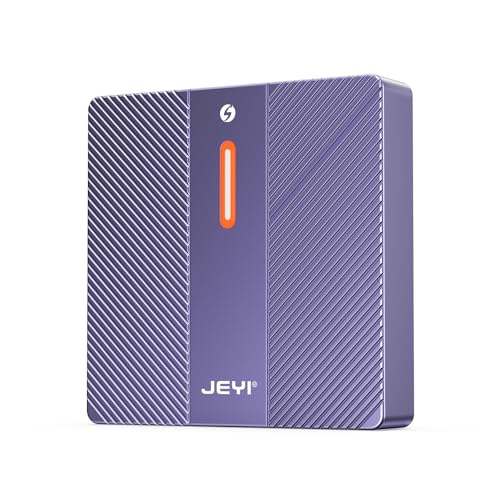
- 40Gbps USB4/Thunderbolt 3/4 connectivity
- Flexible RAID support, including RAID 5 on Windows
- Active cooling with turbo fan and aluminum shell
Best For: Mac or Windows users who need a fast 4-bay NVMe RAID enclosure with Thunderbolt connectivity.
Best Hardware RAID Flexibility
TERRAMASTER D5-310 5-Bay RAID Enclosure
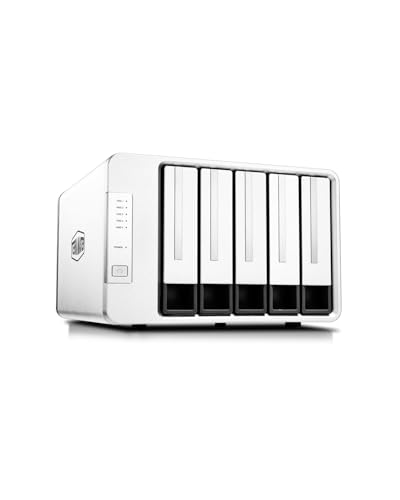
- Hardware RAID with multiple RAID modes
- Up to 120TB total capacity
- Works with Windows, macOS, and Linux
Best For: Users who need a simple, high-capacity hardware RAID enclosure for backups and desktop storage expansion.
Best for RAID Flexibility
OWC ThunderBay 4 40Gb/s RAID Enclosure
- Four bays with Thunderbolt 3 connectivity
- RAID 0/1/4/5/1+0 support
- Includes SoftRAID Premium subscription
Best For: Creators and power users who need flexible, high-speed Thunderbolt RAID storage.
Best for Thunderbolt 5 Speed
TERRAMASTER D4 NVMe 4-Bay Enclosure

- 40Gbps Thunderbolt 5/4/3 and USB compatibility
- Up to 32TB across four M.2 NVMe drives
- Quiet active cooling with backup software included
Best For: Creators and power users who want a fast 4-bay NVMe enclosure with flexible soft-RAID setup.
Best for Expanding Big Libraries
OWC ThunderBay 8 Thunderbolt RAID

- Eight universal bays for 2.5-inch or 3.5-inch drives
- Dual Thunderbolt 3 ports for chaining more devices
- Tool-free trays make drive swaps quick and easy
Best For: Large media libraries and users who need scalable Thunderbolt RAID expansion.
Best for DIY RAID Builders
OWC Express 4M2 4-Slot USB4 RAID Enclosure

- Up to 3200MB/s real-world performance
- Supports four NVMe M.2 SSD sizes
- USB4, Thunderbolt, and USB-C compatible
Best For: Creators and power users building a customizable high-speed RAID array.
Best for Fast Multi-Drive RAID – OWC ThunderBay 4 Thunderbolt 40Gb/s Enclosure
If you want one of the more capable raid storage enclosures with thunderbolt, the OWC ThunderBay 4 is built for speed, flexibility, and serious workstation use. It supports up to four 3.5-inch or 2.5-inch drives, offers dual Thunderbolt 3 ports, and can be configured for RAID 0, 1, 4, 5, or 10 depending on your backup and performance needs.
Best For: Editors, photographers, and power users who need a fast, configurable multi-drive enclosure for large media libraries or active project storage.
Pros:
- Up to 1527MB/s sustained performance for demanding workflows
- Flexible RAID support, including RAID 0/1/4/5/10
- No adapter needed for 3.5-inch or 2.5-inch drives
- Quiet aluminum chassis helps manage heat effectively
Cons:
- Drive-less enclosure, so total cost depends on the drives you add
- Overkill for simple backup or light desktop storage
For buyers comparing raid storage enclosures with thunderbolt, this model stands out for its balance of throughput, RAID options, and build quality. It is especially appealing if you need a dependable enclosure that can scale with your storage setup rather than a basic plug-and-play box.
Best Thunderbolt-Compatible DAS – TerraMaster D4-320 4-Bay Enclosure
If you want a fast, simple storage expansion for a Thunderbolt-equipped Mac or PC, the TerraMaster D4-320 is a practical pick among raid storage enclosures with thunderbolt—though it is a DAS, not a RAID unit. It connects over USB 3.2 Gen 2 for up to 10Gbps speeds and supports plug-and-play use with four individual drives.
Best For: Users who need a high-capacity, hot-swappable 4-bay enclosure for fast direct-attached storage without RAID complexity.
Pros:
- USB-C connection supports Thunderbolt 3/4 ports and other modern USB interfaces
- Up to 120TB total capacity with support for 3.5-inch HDDs, 2.5-inch HDDs, and SSDs
- Tool-free trays, hot swapping, and a push-lock design make drive changes easy
- Quiet cooling system helps keep noise down during long transfers
Cons:
- No RAID function, so it won’t suit buyers who need striped or mirrored redundancy
- Performance depends heavily on the drives you install, especially with HDDs
- Bulkier than simpler 1- or 2-bay desktop enclosures
For buyers comparing raid storage enclosures with thunderbolt, this model stands out if you care more about easy setup, swap-friendly bays, and high-capacity DAS expansion than built-in RAID features.
Best 6-in-1 Thunderbolt Dock Pick – ACASIS 40Gbps Dual-Bay NVMe Dock
If you want raid storage enclosures with thunderbolt that also replace a desktop dock, the ACASIS TBU405 Pro Max is a strong all-in-one option. It combines dual M.2 NVMe bays with HDMI, USB-A, dual 40Gbps USB-C ports, and 100W PD, making it a practical choice for creative workflows and compact desk setups.
Best For: Mac mini, M1/M2, and Windows users who want fast external storage plus extra display and connectivity ports in one enclosure.
Pros:
- Dual NVMe enclosure with software RAID 0 support for faster storage performance
- Built-in fan and aluminum body help manage heat during long transfers
- 6-in-1 dock adds HDMI, USB-A, dual 40Gbps USB-C, and 100W PD charging
- Supports dual-monitor output, including up to 8K single-display or 4K dual-display setups
Cons:
- Requires a true 40Gbps host connection to reach full performance
- More of a docked workstation solution than a simple storage enclosure
As raid storage enclosures with thunderbolt go, this ACASIS model stands out for users who need storage, cooling, and expansion ports in one unit. It makes the most sense when you want a Thunderbolt-class enclosure that can also clean up a crowded workspace.
Best RAID 1 Mirror – TerraMaster D2-320 2-Bay USB RAID Enclosure
If you want a simple two-bay box for mirrored backup or flexible local storage, the TerraMaster D2-320 is a practical option to consider in raid storage enclosures with thunderbolt-style buying comparisons, even though it uses USB 3.2 Gen 2 rather than Thunderbolt. It’s a hardware RAID DAS with strong speed potential, tool-free trays, and support for HDDs or SSDs.
Best For: Buyers who want an affordable two-drive RAID enclosure for RAID 1 backup, RAID 0 speed, or JBOD expansion on a USB-C workstation.
Pros:
- Supports RAID 0, RAID 1, JBOD, and Single mode for flexible setups
- Up to 10Gbps USB 3.2 Gen 2 transfer speeds with fast SSD performance
- Tool-free trays and push-lock design make drive swaps easy
- Intelligent fan helps keep drives cool during longer transfers
Cons:
- Not Thunderbolt, so it may not match Thunderbolt-specific enclosures for peak workstation speed
- Only two drive bays, so it won’t suit larger RAID arrays
- Diskless model requires separate drive purchases
For shoppers comparing raid storage enclosures with thunderbolt, this TerraMaster stands out as a value-minded USB alternative: less expensive than many Thunderbolt units, but still capable of solid RAID 1 protection and respectable real-world throughput.
Best for Thunderbolt RAID – JEYI 4-Bay NVMe RAID Enclosure
If you want one of the more flexible raid storage enclosures with thunderbolt, the JEYI 4-bay enclosure is built around 40Gbps USB4/Thunderbolt 3/4 support, giving you a fast path for multi-SSD storage, RAID setups, or simple individual volumes.
Best For: Mac or Windows users who need a compact 4-bay NVMe enclosure for fast Thunderbolt-backed RAID or high-capacity scratch storage.
Pros:
- Thunderbolt 3/4 and USB4 support with up to 40Gbps transfer speeds
- RAID 0, RAID 1, and JBOD on Mac; RAID 0, RAID 1, RAID 5, and JBOD on Windows
- Turbo fan, aluminum body, and thermal pads help keep drives cooler under load
- Supports up to 32TB total capacity with four 8TB NVMe drives
Cons:
- RAID setup requires a USB4/Thunderbolt connection, not standard USB
- Some AMD USB4/Thunderbolt systems may have compatibility issues
- Performance depends on NVMe drive choice and host port capability
This JEYI unit stands out if you need raid storage enclosures with thunderbolt that prioritize speed, cooling, and flexible RAID modes over plug-and-play simplicity. It is a strong fit for creators and power users, but AMD buyers should verify compatibility before relying on it for a main workflow.
Best Hardware RAID Flexibility – TERRAMASTER D5-310 5-Bay RAID Enclosure
If you want one of the more flexible raid storage enclosures with thunderbolt-style desktop convenience, the TERRAMASTER D5-310 is a strong pick for multi-drive expansion without driver hassles. It uses hardware RAID, supports several RAID modes, and works across Windows, macOS, and Linux, making it a practical choice for mixed-OS workspaces.
Best For: Users who want a simple, high-capacity hardware RAID enclosure for backups, shared workflows, and desktop storage expansion.
Pros:
- Hardware RAID with RAID 0, 1, 5, 10, and Single modes
- Supports up to 120TB across five drive bays
- Compatible with Windows, macOS, and Linux without extra drivers
- Includes backup software, sleep mode, and temperature-controlled fans
Cons:
- Uses USB 3.1 Type-C rather than true Thunderbolt
- Diskless, so drives must be purchased separately
- Best suited to storage expansion, not ultra-low-latency pro editing
For buyers comparing raid storage enclosures with thunderbolt alternatives, the D5-310 stands out for hardware RAID control and broad compatibility rather than interface speed. It’s a better fit for dependable backup and large-capacity storage than for users who need the fastest possible direct-attached performance.
Best for RAID Flexibility – OWC ThunderBay 4 40Gb/s RAID Enclosure
If you want a serious desktop option among raid storage enclosures with thunderbolt, the OWC ThunderBay 4 gives you four bays, dual Thunderbolt 3 ports, and support for both 3.5-inch and 2.5-inch drives without adapters. It’s a strong fit when you need fast, configurable storage that can scale from simple mirrored protection to higher-performance RAID setups.
Best For: Editors, creators, and power users who want a flexible Thunderbolt RAID enclosure with room to grow.
Pros:
- Supports RAID 0, 1, 4, 5, and 1+0 for flexible storage planning
- Up to 1527MB/s sustained performance over Thunderbolt 3
- Works with 3.5-inch or 2.5-inch drives, no adapter needed
- Includes SoftRAID Premium for RAID management and monitoring
Cons:
- Drives are not included, so total cost can climb quickly
- Requires setup and RAID knowledge to get the most from it
- Overkill if you only need simple external storage
This is one of the more capable raid storage enclosures with thunderbolt if your priority is RAID choice, drive compatibility, and pro-level management software rather than a plug-and-play external drive.
Best for Thunderbolt 5 Speed – TERRAMASTER D4 NVMe 4-Bay Enclosure
If you want one of the faster raid storage enclosures with thunderbolt support for a compact desktop setup, the TERRAMASTER D4 is built around 40Gbps connectivity and four M.2 NVMe slots. It is a strong fit for creators who need fast external storage for editing, backups, or large project libraries, but it is important to note that it does not include built-in RAID hardware.
Best For: Users who want a high-speed 4-bay NVMe enclosure for Thunderbolt 5/4/3 workflows and flexible soft-RAID options.
Pros:
- 40Gbps performance with broad Thunderbolt 5/4/3 and USB compatibility
- Four NVMe bays support up to 32TB of fast external storage
- Quiet active cooling helps maintain performance under sustained loads
- Useful backup tools, including mobile photo/video backup and Windows scheduling
Cons:
- No built-in RAID controller; RAID depends on third-party software
- Diskless design means SSDs are an extra purchase
- Best speed requires a compatible high-bandwidth host and quality NVMe drives
This is a strong option if you value speed, capacity, and flexibility over turnkey RAID management. Among raid storage enclosures with thunderbolt, it stands out more as a fast NVMe expansion box than a traditional hardware RAID unit.
Best for Expanding Big Libraries – OWC ThunderBay 8 Thunderbolt RAID
If you need a high-capacity desktop array, this OWC enclosure is built for serious storage growth. Among raid storage enclosures with thunderbolt, it stands out for its eight universal drive bays, dual Thunderbolt ports, and easy daisy-chaining for larger workflows.
Best For: Editors, photographers, and pros who want a scalable Thunderbolt RAID enclosure for large media libraries and fast external storage.
Pros:
- Eight universal bays support both 2.5-inch and 3.5-inch SSDs/HDDs
- Dual Thunderbolt 3 ports make daisy-chaining simple
- Tool-free, thumb-screw trays speed up drive swaps
- Thunderbolt-certified for Mac and Windows
Cons:
- Drives are not included
- Large footprint is less ideal for tight desks
- Designed for users who already need serious capacity
This is a strong pick if your priority is scale, flexibility, and straightforward Thunderbolt expansion. For buyers comparing raid storage enclosures with thunderbolt, the ThunderBay 8 is especially compelling when raw bay count and daisy-chain options matter more than compact size.
Best for DIY RAID Builders – OWC Express 4M2 4-Slot USB4 RAID Enclosure
If you want one of the fastest and most flexible raid storage enclosures with thunderbolt-style compatibility, the OWC Express 4M2 is built for DIY NVMe setups. It supports up to four M.2 SSDs, reaches up to 3200MB/s in real-world use, and works across USB4, Thunderbolt, and USB-C Macs and PCs.
Best For: Creators, power users, and small studios that want to build a customizable high-speed RAID enclosure from their own NVMe drives.
Pros:
- Up to 3200MB/s real-world performance for fast editing and transfer workflows
- Supports NVMe M.2 2230, 2242, and 2280 drives for flexible upgrades
- Compatible with USB4, Thunderbolt, and USB-C systems on Mac and Windows
- Aircraft-grade aluminum chassis and adaptive fans help keep drives cool
Cons:
- Enclosure only, so SSDs must be purchased separately
- RAID setup may be more involved than plug-and-play storage
- Peak value depends on the quality of the NVMe drives you install
This is a strong pick if you want a tunable, high-performance enclosure rather than a prebuilt array. Among raid storage enclosures with thunderbolt, it stands out for RAID flexibility, broad host compatibility, and enough cooling to support sustained workloads.
How We Picked the Best Raid Storage Enclosures with Thunderbolt
We prioritized Raid Storage Enclosures with Thunderbolt that offer a strong mix of performance, drive support, RAID flexibility, thermal design, and overall value. For this roundup, we looked at enclosure capacity, Thunderbolt or USB4 compatibility, hardware or software RAID options, ease of setup, and whether the design fits creator, backup, or general-purpose use.
Quick Comparison
In simple terms, smaller two-bay and four-bay enclosures are best for users who want a balance of speed and affordability, while larger four-bay and eight-bay models are better for heavier media workflows and redundancy-focused storage. NVMe-based units are typically faster for active projects, while HDD-based enclosures usually deliver more capacity per dollar.
Key Buying Factors for Raid Storage Enclosures with Thunderbolt
Drive Type
Choose SATA HDD/SSD bays if you want lower cost per terabyte and bigger capacity. Choose NVMe if your priority is maximum speed for editing, caching, or fast project transfers. Make sure the enclosure matches the drive sizes and interface you plan to use.
RAID Modes
Look for the RAID level that fits your goal. RAID 0 boosts speed and capacity but offers no redundancy. RAID 1 mirrors data for protection. RAID 5 and RAID 10 add a stronger mix of fault tolerance and usable capacity, making them popular for professional storage.
Connection and Compatibility
Not every model labeled as thunderbolt performs the same way. Confirm whether the enclosure uses true Thunderbolt, USB4, or USB 3.2, and check compatibility with your Mac or Windows system. For bandwidth-heavy work, true Thunderbolt or 40Gb/s USB4 support is worth prioritizing.
Cooling and Build Quality
Fast drives need good airflow. Aluminum shells, built-in fans, and sensible vent placement help maintain performance during long transfers. Tool-free access and hot-swap support can also make a big difference in daily use.
Who Should Buy Which Raid Storage Enclosures with Thunderbolt?
Pick a two-bay model if you want a simple RAID setup for backups or a small project drive. Choose a four-bay enclosure if you need more flexibility for creative work, larger libraries, or a better balance of speed and protection. Go with an eight-bay option if you manage major media archives, multi-drive RAID 5 storage, or a more scalable long-term setup.
If you want the fastest response for active editing or workflow acceleration, an NVMe enclosure is usually the better fit. If your top concern is large, dependable storage at a lower cost per terabyte, an HDD-based enclosure is typically the smarter buy.
