
If you’re in the market for a powerful yet quiet workstation for AI, you’ve got some impressive options in 2026. These mini machines pack a punch with high-end processors while keeping noise levels low, allowing you to focus on your projects without distractions. But with so many choices, how do you decide which one fits your needs best? Let’s explore the top contenders that balance performance and silence.
ACEMAGIC AI Mini PC Workstation with Intel Core i9-13900HK

The ACEMAGIC AI Mini PC Workstation with the Intel Core i9-13900HK is the ideal choice for professionals who demand powerful performance in a compact design. With 14 cores and 20 threads, you’ll experience desktop-class efficiency, perfect for AI computing and rendering. The discrete Intel ARC A770 GPU guarantees seamless multitasking, handling applications like Stable Diffusion and Premiere Pro effortlessly. Its compact dimensions fit perfectly on any desk, while the thermal management keeps noise to a minimum during intensive tasks. Plus, with support for up to six 8K displays, your workflow will never be compromised. This workstation truly combines power and silence.
Best For: Professionals and creatives who require high-performance computing in a compact workstation for demanding tasks like AI computing, rendering, and video editing.
Pros:
- Compact design suitable for limited desk space while providing desktop-class performance.
- Supports multitasking with dual engines (CPU + GPU) and can handle multiple high-resolution displays.
- Efficient thermal management ensures quiet operation during intensive workloads.
Cons:
- Higher initial investment compared to standard mini PCs.
- Potentially limited upgradeability due to compact design constraints.
- Restocking fees may apply for returns not meeting specific criteria.
GEEKOM Mini PC AI A7 MAX with AMD Ryzen 9

For those seeking a powerful yet compact solution for AI tasks, the GEEKOM Mini PC AI A7 MAX with AMD Ryzen 9 stands out with its impressive performance capabilities. Featuring an 8-core Ryzen 9 7940HS processor, it delivers speeds up to 5.2GHz and smooth 1080p gaming without a dedicated GPU. With 16GB DDR5 memory and 1TB SSD storage, expandable to 4TB, it meets diverse storage needs. The dual 40Gbps USB4 ports enhance connectivity, while the advanced cooling system operates quietly under 36dB. Plus, GEEKOM backs it with a three-year warranty, ensuring reliability for your AI projects.
Best For: The GEEKOM Mini PC AI A7 MAX is best for professionals and enthusiasts seeking a compact yet powerful machine for AI tasks and gaming.
Pros:
- High Performance: Equipped with an AMD Ryzen 9 processor capable of speeds up to 5.2GHz and smooth 1080p gaming without a dedicated GPU.
- Expandable Storage and Memory: Comes with 16GB of DDR5 memory and 1TB SSD, upgradeable to 4TB and 128GB respectively, catering to varying storage needs.
- Quiet Operation: Features an advanced cooling system that maintains noise levels under 36dB, ideal for quiet work environments.
Cons:
- Price Point: May be considered expensive compared to other mini PCs with lower specifications.
- Limited GPU Capability: Lacks a dedicated GPU, which might restrict performance for more graphics-intensive tasks.
- Size and Portability: While compact, it may still be bulkier than ultra-portable alternatives for users who prioritize mobility.
HP Z2 Mini G1a Workstation
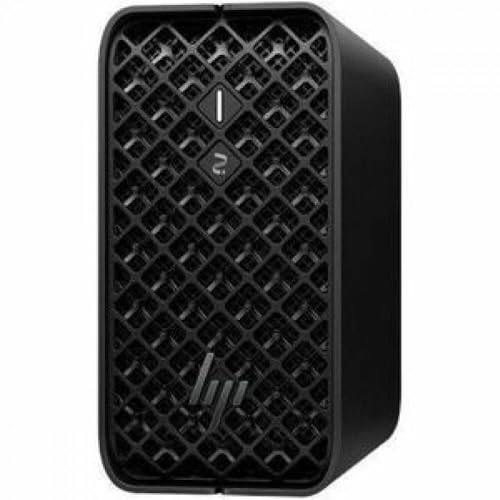
Designed for professionals who demand high-performance computing in a compact form, the HP Z2 Mini G1a Workstation excels in AI-driven tasks. With an AMD Ryzen AI MAX PRO 385 processor and 32 GB RAM, it handles demanding workloads effortlessly. The 1 TB SSD guarantees quick data access, while the AMD Radeon 8050S graphics provide stunning visuals across up to four 4K displays. Its compact design allows for versatile mounting options, and connectivity is robust with multiple USB ports and wireless capabilities. Plus, HP Wolf Pro Security keeps your data safe, making it a reliable choice for any workspace.
Best For: Professionals seeking a high-performance, compact workstation for AI-driven tasks and graphics-intensive projects.
Pros:
- AI-Powered Performance: Advanced capabilities enhance productivity and workflow acceleration.
- Versatile Connectivity: Multiple USB ports and wireless options ensure compatibility with various devices.
- Compact Design: Space-saving form factor allows for flexible mounting options, ideal for limited workspace.
Cons:
- Limited Upgradeability: Mini PC design may restrict future hardware upgrades compared to larger workstations.
- Weight Consideration: While compact, the 5.07-pound weight may still be cumbersome for some mounting options.
- Higher Price Point: Premium features may come at a higher cost compared to standard desktop PCs.
MINISFORUM MS-R1 ARM Mini Workstation
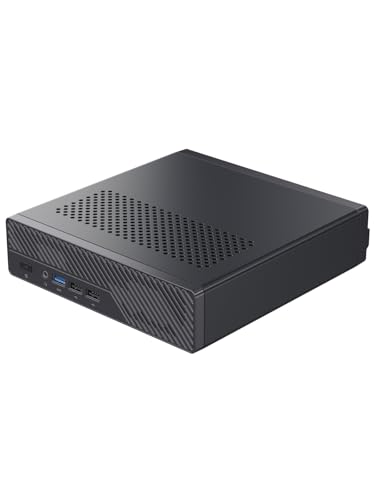
Engineers and educators seeking a powerful yet compact solution will find the MINISFORUM MS-R1 ARM Mini Workstation particularly appealing. With its CIX CP8180 processor, you’ll enjoy 45 TOPS of AI compute, perfect for high-parallel virtualization in Proxmox or KVM environments. The dual 10GbE LAN ports guarantee fast data transfer, while Wi-Fi 6E and Bluetooth 5.3 provide reliable connectivity. You can expand storage via PCIe slots and enjoy stunning visuals with triple video output options. Optimized for resource-heavy applications, it’s ideal for everything from classroom projects to 4K video editing, making it a versatile tool for your needs.
Best For: Engineers and educators looking for a powerful, compact workstation for virtualization, multimedia projects, and resource-heavy applications.
Pros:
- High-performance processor with 45 TOPS AI compute, ideal for virtualization in Proxmox and KVM environments.
- Dual 10GbE LAN ports and Wi-Fi 6E for exceptional connectivity and fast data transfer.
- Flexible expansion options with PCIe slots for additional storage and graphics cards, supporting a variety of use cases.
Cons:
- No SSD included, requiring separate purchase for storage.
- Limited processing power compared to high-end desktop workstations for extremely demanding applications.
- Potentially high cost for additional expansion components, such as graphics cards or NVMe drives.
Beelink Mini PC GTR9 Pro with AMD Ryzen AI Max+ 395 CPU
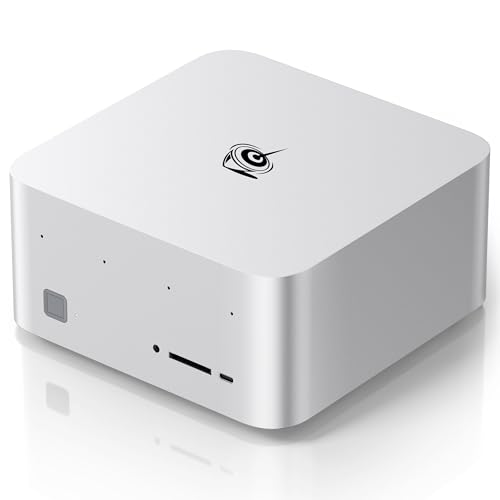
The Beelink Mini PC GTR9 Pro, powered by the AMD Ryzen AI Max+ 395 CPU, stands out as an exceptional choice for professionals seeking a powerful yet discreet workstation for AI tasks. With 16 Zen 5 cores clocking up to 5.1 GHz and 126 AI TOPS, it delivers impressive performance. Its 128GB LPDDR5X RAM and 2TB SSD guarantee ample speed and storage. The dual 10GbE LAN ports, WiFi 7, and multiple USB4 connections enhance connectivity. Plus, the sleek design and whisper-quiet operation at 32dB make it ideal for any workspace. This mini PC truly merges power and silence seamlessly.
Best For: Professionals seeking a powerful and compact workstation for demanding AI tasks and multitasking capabilities.
Pros:
- High performance with AMD Ryzen AI Max+ 395 CPU and 128GB LPDDR5X RAM for efficient multitasking.
- Excellent connectivity options including dual 10GbE LAN ports and WiFi 7 for fast data transfer.
- Quiet operation at 32dB, making it suitable for office environments.
Cons:
- Limited warranty period of only one year, which may not be sufficient for some users.
- Mixed customer reviews with a rating of 2.4 out of 5 stars, indicating potential reliability issues.
- Hefty price point compared to other mini PCs in the market, which may deter budget-conscious buyers.
MINISFORUM Mini Workstation MS-A1 Barebone with AMD Ryzen 9 9950X Mini PC

For those seeking a powerful yet compact solution for AI applications, the MINISFORUM Mini Workstation MS-A1 Barebone stands out with its AMD Ryzen 9 9950X processor. This beast features 16 cores and 32 threads, reaching speeds up to 5.7 GHz, perfect for multitasking. You can support up to 96 GB of DDR5 RAM and connect four M.2 SSDs, achieving incredible transfer rates. With a cooling system that operates at just 37 dB, it guarantees a quiet workspace. Plus, the extensive connectivity options, including dual 2.5G Ethernet, provide flexibility for your AI projects. It’s a powerhouse in a compact form.
Best For: Professionals and enthusiasts seeking a compact yet powerful workstation for demanding AI applications and multitasking.
Pros:
- High Performance: Equipped with the AMD Ryzen 9 9950X processor, offering 16 cores and 32 threads for exceptional multitasking capabilities.
- Flexible Storage Options: Supports up to 4 M.2 PCIe 4.0 SSDs with high transfer rates, allowing for expansive and fast storage solutions.
- Quiet Operation: The cooling system operates at just 37 dB, ensuring a peaceful working environment even under heavy loads.
Cons:
- Barebone Design: Lacks pre-installed RAM and SSD, requiring additional investment for a complete setup.
- Limited Warranty Information: Specific warranty details may not be clearly outlined, necessitating further research by the buyer.
- Potentially High Cost: The advanced features may come at a premium price, which might not suit all budgets.
Beelink SER9 AI Mini PC with AMD Ryzen AI 9 HX 370

Designed for professionals who demand top-tier performance in a compact form, the Beelink SER9 AI Mini PC with the AMD Ryzen AI 9 HX 370 stands out with its impressive 12-core processor that boosts up to 5.1GHz. You’ll experience stable performance and reduced latency, thanks to its 32GB LPDDR5X RAM and support for up to 8TB of storage via dual M.2 PCIe slots. Enjoy versatile connectivity with USB 3.2, USB4, and HDMI options, while the triple screen capability and 4K 120Hz support elevate your graphics experience. Plus, you get 24/7 professional support for peace of mind.
Best For: Professionals and tech enthusiasts seeking high-performance computing in a compact mini PC.
Pros:
- Powerful Performance: Equipped with a 12-core AMD Ryzen AI 9 HX 370 processor, delivering speeds up to 5.1GHz for demanding tasks.
- Extensive Connectivity Options: Features multiple USB ports, HDMI, and triple display support for versatile usage.
- Ample Memory and Storage: Comes with 32GB RAM and supports up to 8TB of SSD storage, ideal for smooth multitasking and data-intensive applications.
Cons:
- Limited Gaming Performance: While suitable for light gaming, it may not meet the needs of hardcore gamers requiring top-tier graphics capabilities.
- Compact Design May Limit Upgradeability: The mini PC form factor can restrict hardware upgrades compared to traditional desktops.
- Potentially Higher Price Point: Premium specifications may come with a higher cost than entry-level mini PCs.
AtomMan G7 Ti Mini PC Core i9-14900HX

With its Intel Core i9-14900HX processor boasting 24 cores and 32 threads, the AtomMan G7 Ti Mini PC is an excellent choice for professionals requiring robust performance for AI applications. You’ll enjoy stunning visuals with the GeForce RTX 4070 graphics, enhancing your work with ray tracing and DLSS 3 technology. It supports up to 96GB of DDR5 RAM and offers dual M.2 SSD slots for expansive storage. With Wi-Fi 7 and Bluetooth 5.4, your connectivity is exceptional. Plus, the dual ultra HD display capability lets you multitask effortlessly, making it a powerful yet compact workstation for your needs.
Best For: Professionals and gamers seeking high-performance computing in a compact mini PC form factor.
Pros:
- Powerful Performance: Equipped with the Intel Core i9-14900HX processor and GeForce RTX 4070 graphics for demanding applications and gaming.
- Extensive Connectivity: Features Wi-Fi 7 and Bluetooth 5.4, along with various ports for versatile connections.
- Dual Screen Support: Capable of supporting dual ultra HD displays for enhanced multitasking and productivity.
Cons:
- Barebone Setup: Does not come with RAM, SSD, or operating system, requiring additional purchases for full functionality.
- Weight: At 4.43 kg, it may be heavier than some users expect from a mini PC.
- Limited Warranty: Only a 30-day return policy for defective units, which may not provide enough assurance for buyers.
Factors to Consider When Choosing Quiet Mini Workstations for AI
When you’re choosing a quiet mini workstation for AI, consider noise levels and how well the cooling system works. Performance specifications and available connectivity options also play a key role in your decision-making process. Finally, don’t underestimate the benefits of a compact design, as it can enhance your workspace efficiency.
Noise Levels and Management
Choosing a quiet mini workstation for AI tasks can considerably enhance your productivity, especially in environments where focus is essential. When evaluating noise levels, look for systems operating below 36 dB. These quieter models minimize distractions during intensive tasks. Effective cooling is key; systems with dual copper heat pipes and silent fans can considerably reduce noise while ensuring performance. Prioritize workstations designed for continuous workloads, as they often maintain low noise operation during long processing sessions. Pay attention to the choice of components—advanced cooling designs can improve heat conductivity and reduce sound. Always consider models that advertise their noise management features, as optimized systems can considerably enhance your overall experience, whether in a home office or a professional setting.
Cooling System Efficiency
Selecting a mini workstation that prioritizes cooling system efficiency can greatly impact your AI tasks. An efficient cooling system is essential for maintaining peak performance, especially during intensive workloads that generate significant heat. Look for dual fan designs and heat pipe technologies, as these enhance heat dissipation and reduce noise levels. Advanced cooling solutions, like vapor chambers or improved thermal conductivity materials, can minimize the need for high-speed fan operation, leading to quieter performance. Aim for systems that maintain noise levels under 36dB to create a conducive working environment during long processing tasks. A robust cooling system guarantees continuous operation under heavy loads, preventing thermal throttling and excessive noise disruptions, allowing you to focus on your AI projects.
Performance Specifications
To guarantee your quiet mini workstation excels in AI tasks, you must consider key performance specifications that directly influence efficiency and capability. Look for advanced processors like Intel Core i9 or AMD Ryzen 9, which offer multiple cores and threads for smooth multitasking and powerful computation. Opt for memory capacities up to 128GB of DDR5 RAM to support demanding applications, ensuring smooth operation even under heavy loads. High-speed PCIe 4.0 SSDs with up to 8TB of storage enhance data access speed and system responsiveness. Additionally, effective cooling systems featuring dual fans and heat pipes help maintain low noise levels while preventing thermal throttling, allowing your workstation to perform at its best during intensive tasks.
Connectivity Options Available
When evaluating connectivity options for your quiet mini workstation, it’s essential to prioritize features that enhance your AI workflow. Look for multiple USB ports, including USB4 and USB 3.2, to guarantee high-speed data transfer and compatibility with various peripherals. Consider models that support dual or triple-display outputs via HDMI, DisplayPort, and USB-C, as these are crucial for multitasking in AI applications. Advanced networking capabilities, like dual 2.5GbE LAN ports, are important for high-speed internet access needed for cloud-based processing. Additionally, wireless options such as Wi-Fi 6E or Wi-Fi 7 can greatly improve speed and stability, guaranteeing seamless data transfer and communication. These connectivity features will optimize your workstation for productivity while maintaining a quiet environment.
Compact Design Benefits
While compact mini workstations might seem small, they pack a powerful punch that can greatly enhance your AI workflow. Their smaller footprint makes them perfect for tight desk spaces in home offices or studios, all while delivering impressive performance. If you’re a mobile professional, these workstations are easy to transport, allowing you to work seamlessly in different locations.
Many models feature advanced thermal management systems to guarantee quiet operation, essential for noise-sensitive environments like studios. The compact design not only allows for efficient heat dissipation but also improves airflow, helping maintain component longevity. Plus, versatile mounting options let you optimize your workspace by positioning the workstation behind a monitor or in a rack, maximizing your productivity.
Expansion and Upgrade Potential
Compact mini workstations not only provide impressive performance in tight spaces but also offer significant expansion and upgrade potential, making them ideal for your evolving AI needs. When choosing a workstation, consider the maximum supported RAM; options range from 32GB to 128GB, essential for your demanding applications. Look for systems with multiple storage expansion slots, like dual or even four M.2 PCIe slots, enabling scalability and speed. Evaluate the availability of PCIe slots for hardware upgrades, including external GPUs or AI accelerators to boost performance. Check for RAID support to enhance data redundancy and performance. Finally, prioritize systems that allow easy upgrades of RAM and storage, ensuring they adapt seamlessly to your future AI workloads and software requirements.
Power Consumption Considerations
As you evaluate mini workstations for AI, power consumption becomes an essential factor to contemplate, especially in environments where quiet operation is imperative. Lower wattage typically translates to reduced heat generation and quieter performance. Look for workstations with power consumption ratings (TDP) between 54W and 140W, balancing efficiency and performance for intensive tasks. Efficient thermal management systems further enhance quiet operation by minimizing reliance on noisy fans. Consider devices with integrated components, like CPUs with built-in graphics, as they often consume less power than those needing discrete GPUs. Monitoring power consumption not only boosts your workstation’s longevity but also cuts operational costs, making it an important consideration for both personal users and businesses.
