
Choosing the right telephoto lens can make the difference between a missed shot and a frame-filling image. For wildlife, sports, airshows, and distant portraits, reach, autofocus performance, and stabilization matter as much as focal length.
This roundup of professional telephoto camera lenses focuses on practical buying decisions: what each lens is best at, which cameras it fits, and where you get the most performance for your budget.
Best 10 Professional Telephoto Camera Lenses Picks for 2026
Long-Reach Value Zoom
Sigma 150-600mm Contemporary for Canon

- 150-600mm zoom range for distant subjects
- Optical stabilization for steadier shots
- Lightweight, compact build with repellent coating
Best For: Canon users needing long reach with easier carry
Lightweight Travel Telephoto

- Only 1.2 pounds for easy carry
- 70-300mm zoom with close focusing ability
- Moisture-resistant build for field use
Best For: Sony mirrorless users wanting a compact telephoto
Premium Super-Telephoto Zoom

- 100-500mm range for broad telephoto use
- Up to 5 stops of optical stabilization
- Dual Nano USM autofocus for smooth, quiet focusing
Best For: EOS R shooters wanting a premium long zoom
Compact APS-C Telephoto
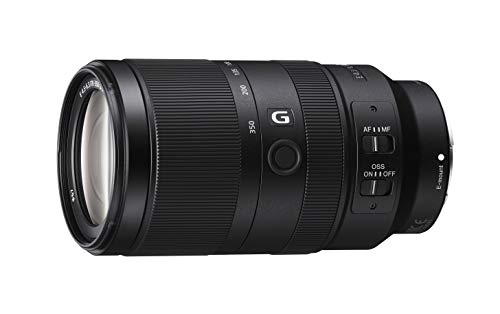
- 70-350mm 5x zoom range
- Lightweight 22 oz. body
- Optical SteadyShot and XD linear motor
Best For: Sony APS-C users needing reach in a compact lens
Ultra-Long Reach Wildlife Zoom

- 200-800mm zoom range with an 800mm telephoto end
- Lightweight, compact design for handheld shooting
- Compatible with RF1.4x and RF2x extenders
Best For: Wildlife and outdoor shooters who need maximum reach in a portable lens
Balanced High-Reach Performer
Sony FE 200-600mm f/5.6-6.3 G OSS
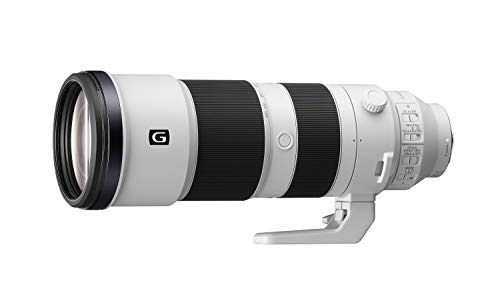
- 200-600mm range for wildlife and sports
- G lens resolution with ED glass and Nano AR coating
- Fast, quiet Direct Drive SSM autofocus
Best For: Sony full-frame users who want long reach and reliable autofocus
Compact Everyday Telephoto Zoom
Canon RF100-400mm F5.6-8 IS USM

- 100-400mm zoom in a compact, lightweight build
- Optical IS up to 5.5 stops; up to 6 with IBIS
- Nano USM autofocus is fast, smooth, and quiet
Best For: Canon EOS R users who want a portable telephoto zoom for travel and nature
Entry-Level Reach
Canon EF 75-300mm f/4-5.6 III Telephoto Zoom Lens

- 75-300mm telephoto zoom for Canon EF DSLRs
- Lightweight 16.8 oz design with smooth zooming
- No image stabilization and f/4-5.6 max aperture
Best For: Canon DSLR owners wanting an affordable long-range zoom
Classic Canon Zoom
Canon EF 75-300mm f/4-5.6 III Telephoto Zoom Lens (Black)

- 75-300mm telephoto range for Canon EF cameras
- 13-element, 9-group construction with Super Spectra coating
- No image stabilization and micromotor autofocus
Best For: Canon users who want a simple long-zoom option
Renewed Value Pick
Canon EF 75-300mm f/4-5.6 III Renewed Telephoto Zoom

- Renewed Canon EF 75-300mm telephoto zoom
- Compact 2.8 in. body and 16.8 oz weight
- No image stabilization and basic aperture range
Best For: Budget shoppers wanting a renewed Canon telephoto zoom
Long-Reach Value Zoom – Sigma 150-600mm Contemporary for Canon
If you want professional telephoto camera lenses with serious reach without moving into the heaviest category, the Sigma 150-600mm Contemporary is a practical Canon EF option. Its 150-600mm zoom range, optical stabilization, and lighter build make it a flexible choice for wildlife, sports, and distant subjects where portability still matters.
Best For: Canon shooters who want long zoom reach in a comparatively lightweight, travel-friendly lens.
Pros:
- 150-600mm zoom gives a wide telephoto range for distant subjects
- Optical image stabilization helps steady handheld shooting
- Lightweight and compact for its class
- Water- and oil-repellent front coating simplifies maintenance
Cons:
- Maximum aperture drops to f/6.3 at the long end
- Minimum focusing distance is 280 cm, so it is not ideal for close-up work
- Designed for Canon EF mounts only
This is a strong all-around long telephoto zoom if you need reach and manageable size in one lens. It is especially appealing when you want practical field use rather than the bulk of a heavier super-telephoto.
Lightweight Travel Telephoto – Tamron 70-300mm for Sony E
The Tamron 70-300mm is a good fit if you want professional telephoto camera lenses that stay light and easy to carry on Sony E-mount mirrorless bodies. It offers a useful 70-300mm range, moisture-resistant construction, and close focusing performance that makes it more versatile than a simple distance lens.
Best For: Sony mirrorless shooters who want a compact telephoto zoom for travel, portraits, and everyday reach.
Pros:
- Very lightweight at 1.2 pounds for easy handling
- 70-300mm zoom range covers useful telephoto needs
- Moisture-resistant construction adds confidence outdoors
- Close focusing performance improves versatility for nearer subjects
Cons:
- No image stabilization built in
- Maximum aperture narrows to f/6.3 at the long end
- Only compatible with Sony E-mount mirrorless cameras
This lens makes sense if portability is a top priority and you still want real telephoto reach. It is a balanced option for photographers who value lightweight shooting more than maximum speed or stabilization.
Premium Super-Telephoto Zoom – Canon RF 100-500mm L
For photographers shopping professional telephoto camera lenses in the Canon RF system, the RF 100-500mm L is built for high-end versatility. Its 100-500mm range, optical image stabilization, and Dual Nano USM autofocus make it well suited to demanding subjects where speed, reach, and control all matter.
Best For: Canon EOS R shooters who want a premium super-telephoto zoom with stabilization and fast autofocus.
Pros:
- 100-500mm range offers broad super-telephoto flexibility
- Optical image stabilization provides up to 5 stops of correction
- Three stabilization modes support different shooting styles
- Dual Nano USM autofocus is fast, smooth, and quiet
Cons:
- Maximum aperture reaches only f/7.1 at the long end
- Designed for Canon EOS R series mirrorless cameras only
- Premium L-series lens may be more than casual users need
This is the most advanced option in the group for Canon RF users who need top-tier telephoto performance. If you want a flexible long zoom with stabilization and strong autofocus, it is an easy lens to justify.
Compact APS-C Telephoto – Sony E 70-350mm G OSS
The Sony E 70-350mm G OSS is a sensible pick for photographers who want professional telephoto camera lenses with a strong balance of reach and portability. Built for Sony APS-C E-mount cameras, it delivers a 70-350mm zoom range, optical stabilization, and fast, quiet autofocus in a lightweight package.
Best For: Sony APS-C shooters who want a lightweight telephoto zoom with strong reach and stabilization.
Pros:
- 70-350mm zoom provides a useful 5x super-telephoto range
- Lightweight 22 oz. design is easy to handle
- Optical SteadyShot helps reduce camera shake
- XD linear motor supports fast, precise, quiet autofocus
Cons:
- Made for Sony APS-C E-mount cameras, not full-frame bodies
- Maximum aperture narrows to f/6.3 at 350mm
- No moisture-resistant rating is listed in the supplied notes
This lens is a practical telephoto choice when you want reach without carrying a heavy setup. It stands out for handheld usability, especially for wildlife, action, and general outdoor shooting on APS-C Sony bodies.
Ultra-Long Reach Wildlife Zoom – Canon RF200-800mm F6.3-9
If you need one of the most flexible professional telephoto camera lenses for distant subjects, the Canon RF200-800mm F6.3-9 is built around reach and portability. Its 200-800mm zoom range gives you serious framing control for wildlife, nature, and outdoor sports, while the compact, lightweight design makes handheld shooting more practical than many lenses in this class.
Best For: Wildlife, birding, and outdoor shooters who want extreme reach without carrying a huge super-telephoto setup.
Pros:
- World’s first AF super-telephoto zoom lens with an 800mm telephoto end.
- 4x zoom range from 200mm to 800mm for wide framing flexibility.
- Lightweight and compact for a super-telephoto lens, supporting comfortable handheld shooting.
- Compatible with Extender RF1.4x and Extender RF2x at all focal lengths.
Cons:
- Maximum aperture narrows to F6.3-9, so it is not a low-light specialist.
- Designed for Canon RF-mount cameras only.
This lens is a strong pick if reach is more important than speed, and the handheld-friendly design helps it stand out among long telephoto options. It offers a practical route to 800mm without the bulk typically associated with super-telephoto glass.
Balanced High-Reach Performer – Sony FE 200-600mm f/5.6-6.3 G OSS
The Sony FE 200-600mm f/5.6-6.3 G OSS is a practical choice for photographers looking for professional telephoto camera lenses with strong reach and dependable performance across the zoom range. Its 200-600mm focal span is well suited to wildlife and sports, while the G lens design, optical refinements, and coating help maintain image quality and reduce distracting flare.
Best For: Sony shooters who want a versatile super-telephoto zoom for wildlife and action with dependable autofocus.
Pros:
- 200-600mm zoom range provides broad long-lens flexibility.
- G lens resolution is designed to stay strong throughout the zoom range.
- ED glass, aspherical elements, and Nano AR coating help reduce flare, ghosting, and aberration.
- Direct drive Super Sonic Wave Motor supports fast, quiet, precise focus.
Cons:
- Maximum aperture of f/5.6-6.3 is modest for darker shooting conditions.
- As a super-telephoto zoom, it is not a compact everyday lens.
Overall, this lens is a strong all-around long-range option for Sony full-frame mirrorless users who want reach, sharpness, and reliable focus in one package. It is especially appealing when you need a serious telephoto zoom that still feels manageable for field use.
Compact Everyday Telephoto Zoom – Canon RF100-400mm F5.6-8 IS USM
The Canon RF100-400mm F5.6-8 IS USM is a more compact take on professional telephoto camera lenses, giving EOS R series users a useful 100-400mm zoom range without a lot of bulk. It is a practical option for travel, casual wildlife, and general telephoto work when you want image stabilization and fast, quiet autofocus in a lightweight package.
Best For: Canon EOS R mirrorless photographers who want a lightweight telephoto zoom for travel, nature, and everyday reach.
Pros:
- Compact, lightweight RF zoom lens with a versatile 100-400mm range.
- Optical Image Stabilizer offers up to 5.5 stops of shake correction.
- Up to 6 stops of stabilization when paired with EOS R bodies that have IBIS.
- Nano USM provides fast, smooth, quiet autofocus.
Cons:
- Maximum aperture of f/5.6-8 is relatively slow.
- Not aimed at the extreme reach of super-telephoto lenses.
This lens makes sense if you want a telephoto zoom that is easier to carry and still offers strong stabilization and solid autofocus. It is a well-rounded choice for photographers who value convenience and versatility over maximum reach.
Entry-Level Reach – Canon EF 75-300mm f/4-5.6 III Telephoto Zoom Lens
If you want an affordable step into professional telephoto camera lenses for Canon EF-mount DSLRs, this 75-300mm zoom keeps things simple and practical. It offers a versatile focal range for distant subjects, a smooth zoom mechanism, and a compact build that stays easy to carry on shoots.
Best For: Canon DSLR users who want a basic, lightweight telephoto zoom for general long-range shooting.
Pros:
- 75-300mm zoom range covers a useful telephoto span for Canon SLR cameras.
- Smooth zooming mechanism makes focal length changes feel more controlled.
- Compact and lightweight at 16.8 ounces for easier handling.
- Super Spectra coating is included on the lens.
Cons:
- No image stabilization is included.
- Maximum aperture is only f/4-5.6, so it is less suited to dim light.
- Closest focusing distance is 4.9 feet, which limits near-subject work.
This lens makes sense if you need a straightforward telephoto option without extra complexity. It is a practical choice for reaching farther subjects, but the lack of stabilization means steady shooting matters more.
Classic Canon Zoom – Canon EF 75-300mm f/4-5.6 III Telephoto Zoom Lens (Black)
This Canon telephoto zoom is a straightforward pick among professional telephoto camera lenses for photographers who want a familiar 75-300mm range. It uses a front-group rotating extension system with micromotor autofocus, giving you a simple setup for everyday telephoto work on Canon EF-mount cameras.
Best For: Canon shooters who want a basic telephoto zoom with a proven focal range and simple autofocus.
Pros:
- 75-300mm focal length provides flexible telephoto reach.
- 13 elements in 9 groups for the lens construction.
- Closest focusing distance of 1.5m / 4.9 ft. is practical for many subjects.
- Super Spectra coating is included.
Cons:
- No image stabilization is included.
- Maximum aperture of f/4-5.6 is not ideal for low-light use.
- Autofocus relies on a micromotor, which is a more basic drive system.
As a budget-minded telephoto zoom, this lens focuses on the essentials rather than advanced features. It is best when you want reach and compatibility more than premium speed or stabilization.
Renewed Value Pick – Canon EF 75-300mm f/4-5.6 III Renewed Telephoto Zoom
Canon EF 75-300mm f/4-5.6 III Telephoto Zoom Lens for Canon SLR Cameras, 6473A003 (Renewed)
Check Price On AmazonIf you are shopping professional telephoto camera lenses on a tighter budget, this renewed Canon 75-300mm keeps the core specs of the original in a more value-focused package. It still gives you the EF mount, 4.9-foot minimum focus distance, and a compact telephoto zoom range for Canon SLR cameras.
Best For: Buyers who want the same basic Canon 75-300mm telephoto design in a renewed listing.
Pros:
- EF mount compatibility works with Canon SLR cameras.
- 75-300mm zoom range offers broad telephoto reach.
- Compact body measures 2.8 inches in diameter and 4.8 inches long.
- Weighs 16.8 ounces, making it easy to carry.
Cons:
- No image stabilization is listed.
- Maximum aperture range of f/4-45 is not especially bright.
- Renewed condition may not suit buyers who want a brand-new lens.
This renewed version is aimed at buyers who care most about getting the 75-300mm formula at a value price point. It keeps the familiar lightweight design, but it is still a basic telephoto lens rather than a feature-heavy one.
How We Picked These Professional Telephoto Camera Lenses
We prioritized real-world shooting value over headline specs alone. That means considering focal-length range, autofocus speed and accuracy, image stabilization, portability, aperture behavior, and mount compatibility. We also looked at whether a lens is a true fit for demanding use such as wildlife, sideline sports, or travel where carrying less gear matters.
Quick Comparison: What the Main Lens Types Offer
Longer super-telephoto zooms, such as 100-500mm, 200-600mm, and 150-600mm options, are the best all-around choice when reach is the priority. Midrange telezooms like 70-300mm and 70-350mm are lighter, easier to carry, and better for travel or casual field use. Budget-friendly EF 75-300mm designs can still cover basic telephoto needs, but they are generally less capable for fast action or low-light work than modern mirrorless options.
Key Buying Factors for Professional Telephoto Camera Lenses
Focal range: Wildlife and distant sports usually benefit from 400mm and beyond. If you shoot subjects that are closer or more predictable, 300mm may be enough.
Maximum aperture: Wider apertures help in low light and support faster shutter speeds, but they often increase cost and weight. Many of these lenses trade brightness for extra reach.
Autofocus performance: For moving subjects, choose lenses with fast, quiet AF motors and reliable subject tracking. This matters more than many buyers expect.
Stabilization: Optical stabilization is valuable for handheld work, especially at long focal lengths where camera shake is magnified.
Size and weight: A lens that stays home will not help your photos. Consider what you can realistically carry for an entire outing.
Camera mount and format: Make sure the lens matches your system and understand whether it is optimized for full frame or APS-C use.
Who Should Buy What
If you need maximum reach for birds, wildlife, or field sports, look first at the 600mm-class and 800mm-class options. If you want a more balanced blend of reach and portability, the 100-500mm range is often the sweet spot. Travelers and hobbyists who value lighter gear should focus on compact 70-300mm or 70-350mm lenses. Budget buyers using older Canon DSLR bodies may find the EF 75-300mm lineup serviceable, but it is best viewed as an entry-level option rather than a top-tier choice.
In short, the best telephoto lens is the one that matches your subject distance, camera system, and willingness to carry gear. For most buyers, the smartest choice is the lens that gives enough reach without making the camera too heavy to use often.
