
Choosing the right monitor can make a huge difference on set, especially when you need reliable framing, focus, and visibility outdoors.
This roundup covers ten of the best professional field monitors for creators who want a practical upgrade for DSLR, mirrorless, and cinema workflows.
Best 10 Professional Field Monitors Picks for 2026
Bright Touch 7" Rig Monitor
NEEWER F700 7" 2000nit Touchscreen

- 2000nit 7" IPS touchscreen with Full HD resolution
- 4K HDMI loop in/out with audio monitoring
- Includes 2 NP-F750 batteries and cooling fans
Best For: Bright on-camera monitoring for DSLR and mirrorless rigs
Production-Ready Large Format
osee Mega 15S 15.4" HDR Monitor
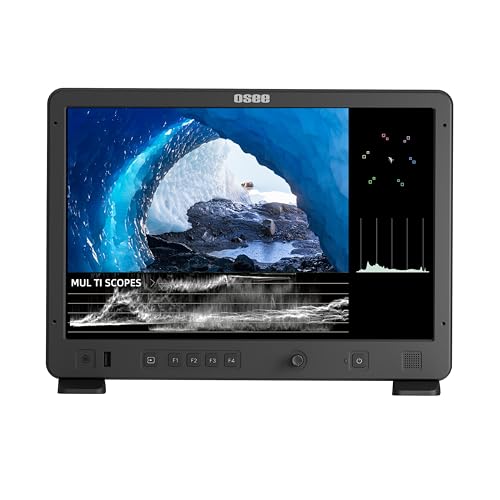
- 15.4" IPS screen with 1500nits brightness
- Dual 3G-SDI I/O and 4K HDMI input
- Hardware auto calibration with pro exposure tools
Best For: Cinematography, DIT, and multi-camera production monitoring
Compact 4K Touch Monitor
VILTROX DC550 Pro II 5.5" 4K@60

- 5.5" 1400nits Full HD touchscreen
- HDMI 2.0 with 4K@60Hz loop-out
- WiFi and USB-C camera control support
Best For: Compact monitoring with camera control for HDMI rigs
Rugged SDI Workhorse
Portkeys HS8 8" Dual NP-F Monitor

- 8" 1920x1200 panel with 1100nits brightness
- 3G-SDI in/out plus 4K HDMI input
- Rugged aluminum body with dual NP-F plates
Best For: Rugged SDI monitoring for crews and location rigs
Ultra-Bright 7-Inch Touch Monitor
NEEWER F600 7" Camera Field Monitor

- 2400-nit 7" IPS touchscreen with auto brightness control
- 4K HDMI loop in/out plus focus, exposure, and HDR tools
- Includes 2 NP-F750 batteries and a cooling fan system
Best For: Outdoor shooters who want a feature-packed monitor with strong visibility
Bright SDI Touch Monitor
VILTROX 6-Inch 4K Field Monitor

- 2000-nit 6" touchscreen with HDMI and 3G-SDI
- Includes waveform, vectorscope, peaking, zebra, and audio meters
- USB-A 3D LUT import plus fan and temperature control
Best For: Users who need SDI support and bright, compact monitoring
Compact Outdoor Monitor
FEELWORLD F5 Prox 5.5" Touch Monitor

- 5.5" display with 1600-nit brightness for outdoor use
- Focus peaking, waveform, histogram, false color, and LUT preview
- Lightweight and easy to mount on compact camera rigs
Best For: Creators who need a lightweight monitor for gimbals and outdoor shoots
Rugged Compact Choice
VILTROX DC-X2 6" Touchscreen Monitor with Cage

- 2000-nit brightness for daylight viewing
- Metal cage adds protection and accessory mounting
- Scopes, false color, and 3D LUT support
Best For: Compact on-camera monitoring with extra protection
Large Bright Screen Pick
FEELWORLD LUT11S 10.1-inch 2000-nit Field Monitor

- 10.1-inch IPS panel with 1920x1200 resolution
- 2000-nit brightness plus ambient light sensor
- SDI/HDMI inputs and up to 50 custom LUTs
Best For: Large daylight-readable monitoring with SDI
Compact Starter Kit
VILTROX DC-550 5.5" 1200-nit Touch Monitor Kit

- 1200-nit 5.5-inch IPS touchscreen
- Waveform, vectorscope, histogram, and focus assist
- Includes sunshade, battery, and carry case
Best For: Compact rigs and simple daylight monitoring
Bright Touch 7" Rig Monitor – NEEWER F700 7" 2000nit Touchscreen
If you need a practical field monitor for daylight shoots, the NEEWER F700 brings together a 7-inch Full HD IPS panel, 2000nit brightness, and touch control in a compact rig-friendly design. It is built for professional field monitors use with monitoring tools like waveform, vectorscope, false color, zebras, peak focus, HDR, and 3D LUT support.
Best For: DSLR and mirrorless shooters who want a bright, feature-rich on-camera monitor with flexible power options.
Pros:
- 2000nit 7″ IPS touchscreen with 1920×1080 resolution for daylight visibility.
- Supports 4K HDMI loop in/out plus headphone audio monitoring.
- Includes professional tools such as waveform, vectorscope, false color, zebras, and peak focus.
- Comes with 2 NP-F750 batteries and supports multiple power methods.
Cons:
- Headphones are not included for audio monitoring.
- DC cable is not included if you want to use the DC power option.
- At 30.2 oz with batteries, it is not the lightest on-camera setup.
Overall, the F700 is a strong value option if you want a bright, tool-packed monitor that can handle outdoor viewing and extended shooting days. The included batteries and cooling fans make it especially practical for run-and-gun setups.
Production-Ready Large Format – osee Mega 15S 15.4" HDR Monitor
The osee Mega 15S is aimed at larger production setups that need one of the more capable professional field monitors for daylight viewing and color-critical work. Its 15.4-inch IPS panel, 1500nits brightness, 3G-SDI support, and HDR preview make it a strong fit for multi-camera shoots and director or client-side monitoring.
Best For: Cinematographers, DITs, and crew needing a bright production monitor with SDI connectivity and accurate color tools.
Pros:
- 15.4″ IPS display with 1500nits peak brightness for outdoor use.
- Dual 3G-SDI input/output plus 4K HDMI input for flexible routing.
- Hardware auto color calibration and Rec.709-focused monitoring.
- Built-in waveform, vectorscope, RGB histogram, false color, and focus peaking.
Cons:
- Large 15.4″ format is better for set use than compact handheld rigs.
- V-Mount plate is built in, but it may be more than solo shooters need.
- Designed for production setups, so it is less portable than smaller field monitors.
In practice, the Mega 15S is best treated as a serious on-set monitor rather than a lightweight camera-top accessory. If you need a bright, calibration-minded display for professional video production, it checks the key boxes.
Compact 4K Touch Monitor – VILTROX DC550 Pro II 5.5" 4K@60
The VILTROX DC550 Pro II is a compact choice among professional field monitors, especially if you want a smaller screen without giving up advanced exposure and framing tools. It pairs a 5.5-inch Full HD IPS touchscreen with 1400nits brightness, HDMI 2.0 4K@60 transmission, and camera control features for a streamlined shooting setup.
Best For: Shooters who want a small, bright monitor with modern 4K HDMI and camera control features.
Pros:
- 5.5″ 1400nits touchscreen with 1920×1080 IPS panel.
- HDMI 2.0 supports 4K@60Hz input and loop-out.
- Includes waveform, histogram, vectorscope, zebra, false color, and safe frame tools.
- Supports WiFi and USB-C camera control for several major camera brands.
Cons:
- Smaller 5.5″ screen may feel tight for some field use.
- Best suited to HDMI-based rigs rather than SDI workflows.
- Access to the full feature set may be more than casual users need.
For creators who value portability and modern connectivity, the DC550 Pro II delivers a lot of control in a very small footprint. It is especially appealing if you want a monitor that can also help manage camera settings from the screen.
Rugged SDI Workhorse – Portkeys HS8 8" Dual NP-F Monitor
The Portkeys HS8 is built like a practical production tool, combining an 8-inch 1920×1200 panel, 1100nits brightness, and SDI plus HDMI connectivity for serious camera rigs. For buyers comparing professional field monitors, its all-aluminum housing, VESA mounting options, and built-in battery plates make it especially appealing for location work and hybrid cinema setups.
Best For: Crews that need a rugged 8-inch monitor with SDI support, battery flexibility, and pro exposure tools.
Pros:
- 8″ 10-bit panel with 1920×1200 resolution and 1100nits brightness.
- 3G-SDI in/out plus 4K HDMI input for flexible production routing.
- Rugged all-aluminum housing with lightweight 675g build.
- Includes waveform, histogram, zebra, peaking, false color, and audio meters.
Cons:
- Brightness is lower than some daylight-focused competitors.
- At 8 inches, it is better suited to rig or stand use than very compact camera-top setups.
- Requires external batteries or power for longer on-location work.
The HS8 stands out as a balanced production monitor for crews that want SDI flexibility without moving up to a much larger display. Its mounting options and power passthrough features make it a practical choice for real-world set use.
Ultra-Bright 7-Inch Touch Monitor – NEEWER F600 7" Camera Field Monitor
If you want professional field monitors that stay readable outdoors, the NEEWER F600 is built around visibility and flexibility. Its 7-inch 2400-nit touchscreen, auto backlight control, and 4K HDMI loop in/out make it a practical on-camera display for monitoring focus, exposure, and framing in changing light.
Best For: Filmmakers, content creators, and solo shooters who need a bright monitor with extensive assist tools and flexible power options.
Pros:
- 2400-nit brightness with ambient light sensor for sunlight-to-darkness adjustments
- Built-in monitoring tools including waveform, vectorscope, false color, zebras, HDR, and peak focus
- Supports custom 3D LUT uploads, plus 4 preloaded LUTs and shortcut keys
- Includes 2 NP-F750 batteries, USB-C charging, and a cooling fan system
Cons:
- DC power cable is not included
- SD card for firmware updates is not included
- Large feature set may take time to learn if you only need basic monitoring
Overall, the F600 is a strong pick if you want a bright, tool-rich monitor that can handle outdoor work and extended sessions. It offers a lot of monitoring features for the price, but it makes the most sense for users who will actually use its advanced overlays and LUT support.
Bright SDI Touch Monitor – VILTROX 6-Inch 4K Field Monitor
Among professional field monitors, the VILTROX 6-inch model stands out for users who want a bright touchscreen with both HDMI and 3G-SDI support. The 2000-nit panel, 100% professional color gamut coverage, and built-in monitoring tools make it a solid choice for set work where visibility and signal flexibility matter.
Best For: Shooters who need a compact monitor with SDI connectivity, sunlight visibility, and real-time LUT support.
Pros:
- 2000-nit brightness and 160° viewing angle for strong outdoor visibility
- HDMI 1.4 and 3G-SDI input/output for flexible camera and rig setups
- Professional tools include histogram, vectorscope, waveform, audio meters, peaking, zebra, and false color
- Supports custom 3D LUT import through USB-A for real-time color preview
Cons:
- 6-inch screen is smaller than some competing field monitors
- Package includes a battery, but long shoots may still require extra power planning
- Feature-rich interface may be more than needed for basic monitoring tasks
This monitor is a good fit if your workflow benefits from SDI as well as HDMI, and you want quick access to core exposure and focus tools. It balances portability and pro features well, especially for creators working in bright environments.
Compact Outdoor Monitor – FEELWORLD F5 Prox 5.5" Touch Monitor
The FEELWORLD F5 Prox is a practical option in professional field monitors if you want a smaller on-camera screen without giving up outdoor readability. Its 5.5-inch 1600-nit display, focus and exposure tools, and LUT preview support make it useful for checking image detail on DSLR, mirrorless, and cinema rigs.
Best For: Photographers and videographers who want a lightweight monitor for outdoor shoots, gimbals, and compact rigs.
Pros:
- 1600-nit brightness helps keep the screen visible in direct sunlight
- Includes focus peaking, waveform, histogram, false color, and LUT preview
- Compatible with DSLR, mirrorless, and cinema cameras
- Lightweight design mounts easily on cages, gimbals, tripods, and handheld setups
Cons:
- 5.5-inch screen is smaller than many field monitors
- Does not list HDMI loop-through or SDI connectivity in the supplied notes
- Fewer advanced connectivity details than some larger pro monitors
For creators who prioritize portability and sunlight visibility, the F5 Prox offers the core tools needed to judge focus and exposure accurately. It is a sensible choice when you need a compact monitor that won’t overburden a small rig.
Rugged Compact Choice – VILTROX DC-X2 6" Touchscreen Monitor with Cage
If you want professional field monitors that stay readable outdoors and still give you serious control tools, the VILTROX DC-X2 is built for that kind of run-and-gun workflow. Its 6-inch 2000-nit display, 4K HDMI in/out, and included metal cage make it a practical option for shooters who need visibility, protection, and accessory mounting in one compact package.
Best For: Shooters who want a compact, bright on-camera monitor with a protective cage and built-in pro monitoring tools.
Pros:
- 2000-nit brightness helps the screen stay visible in daylight
- Includes a durable metal cage with mounting points for accessories
- Built-in tools include waveform, histogram, vectorscope, RGB parade, false color, zebra, and peak focus
- 4K HDMI input/output and USB 3D LUT support add flexibility
Cons:
- 6-inch screen is smaller than larger director-style monitors
- Accessory-rich setup may feel more complex than a basic monitor
- Designed around HDMI workflows rather than broader connectivity
Overall, the DC-X2 is a strong fit if you need a rugged, compact monitoring solution that goes beyond simple framing. The cage and active cooling make it especially appealing for demanding sets, while the included scopes and LUT support help you work more precisely.
Large Bright Screen Pick – FEELWORLD LUT11S 10.1-inch 2000-nit Field Monitor
Among professional field monitors, the FEELWORLD LUT11S stands out if you want a larger screen that is still bright enough for outdoor use. The 10.1-inch IPS panel, 2000-nit brightness, SDI and HDMI connectivity, and touch controls make it a practical monitor for shoots where visibility and quick menu access matter.
Best For: Crews and solo shooters who want a large, bright monitor with SDI support and touch operation.
Pros:
- 10.1-inch 1920×1200 IPS display gives a roomy viewing area
- 2000-nit brightness and ambient light sensor improve daylight visibility
- Supports SDI and dual HDMI inputs with HDMI up to 4K 60Hz
- Loads up to 50 custom 3D LUTs and includes HDR monitoring tools
Cons:
- Larger size and 1.8-pound weight are less compact than smaller monitors
- More monitor real estate can mean a less streamlined camera-top setup
- Best suited to rigs that can handle a bigger display
The LUT11S is a good pick when screen size and visibility are more important than minimalism. Its combination of brightness, touch controls, and SDI/HDMI flexibility makes it well suited to field work where multiple operators need a clear, reliable image.
Compact Starter Kit – VILTROX DC-550 5.5" 1200-nit Touch Monitor Kit
If you need professional field monitors in a smaller, lighter package, the VILTROX DC-550 offers a practical feature set for DSLR and mirrorless video work. Its 5.5-inch 1200-nit IPS touchscreen, 4K HDMI in/out, and included sunshade and battery make it a solid field-ready monitor for straightforward shooting setups.
Best For: Small camera rigs, mobile shooters, and users who want a daylight-viewable monitor kit with useful core tools.
Pros:
- 1200-nit display is designed for daylight viewing
- Includes monitoring tools like waveform, vectorscope, histogram, false color, and focus assist
- Supports 4K HDMI input/output and audio monitoring through a headphone jack
- Bundle includes a sunshade, battery, cables, cold shoe adapter, and carry case
Cons:
- 5.5-inch screen is smaller than many field-monitor alternatives
- Brightness is lower than 2000-nit options
- Best suited to simpler rigs rather than larger production setups
The DC-550 is a sensible choice when you want the essentials without moving up to a larger, pricier monitor class. It gives you the core exposure and focus tools most shooters need, plus a useful accessory bundle that helps you get started quickly.
How We Picked These Professional Field Monitors
We focused on the features that matter most in real-world production: brightness for daylight use, screen size for comfortable monitoring, resolution for sharp focus checks, and connection options that fit modern camera rigs. We also looked at build quality, touch responsiveness, power flexibility, and support for tools like 3D LUTs, peaking, waveform, and false color.
Quick Comparison: What Matters Most
If you shoot run-and-gun, a compact 5.5-inch or 6-inch monitor is easier to mount and power. For director’s stations, studio setups, or client viewing, 7-inch to 10.1-inch Professional Field Monitors offer a better balance of size and visibility. Larger 15-inch models are best when you need a production-style display rather than a lightweight camera-top solution.
Key Buying Factors for Professional Field Monitors
Brightness and Outdoor Visibility
Look for at least 1,000 nits if you plan to shoot outdoors often. Higher brightness levels help the display stay readable in sun and reduce the need for shading.
Inputs, Outputs, and Workflow
Make sure the monitor matches your camera and rig. HDMI is common for mirrorless and DSLR builds, while 3G-SDI is useful for more advanced or long-run production setups. Loop-through output can help when you need to feed another display or recorder.
Screen Size and Resolution
Higher resolution helps with focus accuracy and menu readability, but size affects usability just as much. Smaller monitors keep rigs compact, while larger panels are easier to judge from a distance.
Color Tools and Monitoring Aids
Features like 3D LUT support, focus peaking, zebra, histogram, and false color can improve exposure control and color consistency. For serious work, these tools matter as much as panel brightness.
Power and Mounting
Check battery plate compatibility, especially if you already use NP-F batteries. Also consider whether the monitor includes a cage, sunshade, or VESA mounting options for easier setup on tripods, carts, or cages.
Who Should Buy Which Professional Field Monitors?
Solo shooters and travel creators should prioritize compact, bright models with strong touch controls. Event and documentary teams may prefer mid-size Professional Field Monitors with SDI support and good battery flexibility. Studio crews, clients, and live production teams will usually get more value from larger screens with robust connectivity and easy mounting.
In short, choose the smallest monitor that still gives you the brightness, connectivity, and tools your workflow demands.
