
Choosing the right monitor can make framing, focus, and exposure far easier on set. For shooters working in bright light or fast-moving production environments, premium field monitors offer the visibility and tools needed to keep footage consistent.
This roundup focuses on models that balance brightness, touch controls, LUT support, and practical mounting features for real-world camera rigs.
Best 10 Premium Field Monitors Picks for 2026
Portable Brightness Pick

- 2000-nit 7-inch IPS touchscreen with 1080p resolution
- 4K HDMI loop in/out and headphone monitoring
- Includes LUTs, waveform, vectorscope, and focus peaking
Best For: Solo shooters and DSLR rigs needing a bright, compact monitor
Production Set Choice
15.4" 1500nit SDI Production Monitor
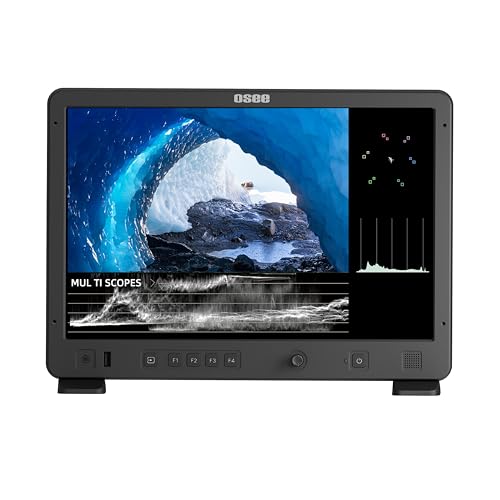
- 15.4-inch IPS panel with 1500-nit daylight visibility
- Dual 3G-SDI I/O plus 4K HDMI input
- Auto color calibration and HDR/3D LUT support
Best For: Director, DIT, and multi-cam production setups
Sunlight Visibility Pick

- 2800-nit IPS panel for strong direct-sun viewing
- 4K 60Hz HDMI 2.0 input for modern cameras
- NP-F, DC, and USB-C power with auto fan
Best For: Outdoor filmmakers who prioritize maximum brightness
Modern Workflow Pick

- 6-inch touchscreen with 1200-nit brightness
- Built-in battery and USB-C power support
- Five-level fan plus LUT, waveform, and false color tools
Best For: Mirrorless shooters wanting an updated all-in-one monitor
Ultra-Bright Hybrid Control Monitor
VILTROX DC-550 Pro II 5.5" 1400 Nits Camera Monitor with Camera Control

- 1400-nit 5.5-inch IPS screen for outdoor visibility
- USB-C and Wi-Fi camera control on compatible models
- Waveform, vectorscope, histogram, onion skin, and 3D LUT support
Best For: Solo creators who want a bright monitor with built-in camera control
Best for Everyday Use
FEELWORLD P6XL 6 Inch Camera Monitor
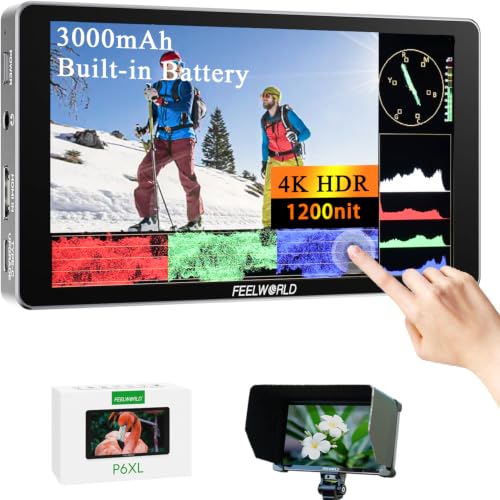
- 1200-nit 6-inch touchscreen with compact 332g body
- Built-in battery makes it easy for mobile shooting
- HDR, waveform, LUT, screenshot, and overlay tools
Best For: Run-and-gun creators who want a lightweight powered monitor
Rugged All-in-One Rig Monitor
VILTROX DC-X2 6'' Touchscreen Camera Monitor with Rig Cage

- 2000-nit 6-inch display for strong outdoor visibility
- Metal cage adds protection and accessory mounting points
- Waveform, vectorscope, false color, zebra, and 3D LUT support
Best For: Rigged productions that need a bright, protected monitor
Brightest Pick
NEEWER F600 7" Touch Field Monitor

- 2400nit 7-inch touchscreen with auto brightness control
- 4K HDMI loop in/out and headphone monitoring
- Includes 2 NP-F750 batteries and cooling fans
Best For: Bright outdoor filming and feature-packed monitoring
Compact Outdoor Choice
FEELWORLD F5 Prox 5.5" Monitor

- 1600nit display stays visible outdoors
- Focus peaking, waveform, histogram, and false color
- Compact design suits gimbals and lightweight rigs
Best For: Travel vlogs and compact outdoor camera setups
Value Monitoring Kit

- 1200nit touchscreen with 1080p IPS panel
- 4K HDMI in/out with waveform and LUT support
- Includes sunshade, battery, cables, and carry case
Best For: Filmmakers who want a bundled touchscreen monitor kit
Portable Brightness Pick – 7" 2000nit Touch HDR Monitor
If you want premium field monitors for compact camera rigs, the NEEWER F700 stands out with a 7-inch 1080p IPS touchscreen, 2000-nit brightness, and a built-in set of pro monitoring tools. It’s designed for fast on-set use with touch and button controls, plus 4K HDMI loop in/out for monitoring and signal pass-through.
Best For: DSLR and mirrorless shooters who need a bright, portable on-camera monitor with LUT support and flexible power.
Pros:
- 2000-nit 7-inch IPS display with 1920×1080 resolution and 160° viewing angle
- 4K HDMI loop in/out plus headphone monitoring support
- Includes waveform, vectorscope, histogram, false color, focus peaking, HDR, and 3D LUT support
- Flexible power options with NP-F batteries, DC input, and USB-C charging
Cons:
- DC cable is not included for external power use
- Best suited to HDMI camera workflows rather than SDI setups
This is a practical choice if you want a feature-rich on-camera monitor without moving up to a larger production display. The included batteries and cooling fans make it especially appealing for longer shoots.
Production Set Choice – 15.4" 1500nit SDI Production Monitor
For buyers comparing premium field monitors for larger sets, the osee Mega 15S is built more like a production display than an on-camera screen. Its 15.4-inch IPS panel, 1500-nit brightness, and SDI/HDMI connectivity make it a strong fit for daylight viewing and multi-camera monitoring.
Best For: Directors, DITs, and crew setups that need a bright, color-accurate production monitor with SDI routing.
Pros:
- 15.4-inch IPS display with 1500-nit peak brightness and anti-reflection coating
- Dual 3G-SDI inputs/outputs plus 4K HDMI input for flexible signal handling
- Hardware auto color calibration, 3D LUT import, and HDR preview support
- Includes waveform, vectorscope, RGB histogram, false color, and focus peaking
Cons:
- Larger and less portable than small on-camera monitors
- Better suited to rigged production environments than lightweight travel kits
The Mega 15S is aimed at serious production workflows where visibility, calibration, and signal flexibility matter more than size. It’s the strongest pick here for on-set teams that need a reliable client or director monitor.
Sunlight Visibility Pick – 7" 2800nit Sunlight Monitor
Among premium field monitors, the VILTROX DC-A1 is the brightness-focused option, with a 7-inch IPS screen rated at 2800 nits for strong outdoor visibility. It also supports 4K 60Hz HDMI transmission and includes the core exposure tools filmmakers expect from a serious on-camera monitor.
Best For: Outdoor shooters who need maximum screen brightness in a compact 7-inch monitor.
Pros:
- Very bright 2800-nit 7-inch IPS display for direct sunlight use
- 4K 60Hz HDMI 2.0 support for modern camera workflows
- Includes histogram, RGB histogram, and waveform-style monitoring tools
- Flexible power options with NP-F, DC, and USB-C, plus built-in auto fan
Cons:
- Single HDMI port limits more advanced pass-through setups
- Tool set is focused on essentials rather than deeper cinema-style features
If brightness is your top priority, this monitor is an easy one to shortlist. It combines strong outdoor readability with compact portability and the connectivity needed for current cameras.
Modern Workflow Pick – 6" 1200nit 2026 Touch Monitor
If you’re shopping premium field monitors for newer mirrorless workflows, the FEELWORLD P6XL focuses on convenience and updated usability. It pairs a 6-inch 1200-nit touchscreen with built-in battery power, USB-C charging, and a cooling system designed for longer recordings.
Best For: Creators using compact mirrorless or cinema cameras who want a modern, self-contained monitoring setup.
Pros:
- 6-inch full touchscreen with 1200-nit brightness and touch-plus-wheel control
- Built-in 22.2Wh battery reduces reliance on external NP-F packs
- Five-level fan and aluminum alloy housing for heat management
- Supports LUT import and tools like waveform, vectorscope, false color, and safety markers
Cons:
- Smaller 6-inch display than many other field monitors
- Included battery runtime is about 2 hours at maximum brightness and fan level 5
The P6XL is a practical modern option if you value cleaner power handling and faster access to monitoring tools. Its updated workflow features make it especially useful for solo creators, interviews, and repeatable framing tasks.
Ultra-Bright Hybrid Control Monitor – VILTROX DC-550 Pro II 5.5" 1400 Nits Camera Monitor with Camera Control
If you want a premium field monitor that stays readable outdoors, the VILTROX DC-550 Pro II is built around a 5.5-inch 1400-nit touchscreen and 4K@60 input/output. It also adds camera control over USB-C or Wi-Fi, making it a practical choice for shooters who want monitoring and core camera adjustments in one compact unit.
Best For: Solo shooters and small crews who need a bright, touch-friendly monitor with camera control.
Pros:
- 1400-nit 5.5-inch IPS display is designed for clear visibility in direct sunlight.
- USB-C wired and Wi-Fi camera control supports settings like aperture, shutter speed, ISO, white balance, and focus mode on compatible cameras.
- Includes advanced monitoring tools such as waveform, vectorscope, histogram, onion skin, and custom 3D LUT support.
- Full-screen touch UI, built-in gyroscope, and auto-rotation help simplify vertical and horizontal shooting.
Cons:
- Camera control is limited to the listed Canon, Sony, and Nikon models in the supplied notes.
- The 5.5-inch screen may feel small for users who prefer a larger monitoring area.
- Heavier feature set means it is aimed more at serious production use than a bare-bones setup.
Overall, this monitor stands out as a compact, feature-rich option for premium field monitors, especially when brightness, touch control, and camera-side adjustments all matter on set.
Best for Everyday Use – FEELWORLD P6XL 6 Inch Camera Monitor
The FEELWORLD P6XL is a practical choice for buyers comparing premium field monitors in a compact format. Its 6-inch 1200-nit touchscreen, built-in battery, and included sunshade make it easy to use on mobile shoots where portability and visibility matter more than bulk.
Best For: Run-and-gun shooters, travel setups, and creators who want a lightweight monitor with built-in power.
Pros:
- 1200-nit 6-inch Full HD IPS touchscreen stays usable in many lighting conditions.
- Built-in 3000mAh battery keeps the monitor portable and reduces cable clutter.
- Includes HDR monitoring, waveform, vectorscope, histogram, and audio phase/level displays.
- Supports custom 3D LUT loading plus screenshot and image overlay tools for composition checks.
Cons:
- Runtime is listed at about 2 hours at full brightness, so long shoots may still need charging support.
- Brightness is lower than the brighter options in this roundup.
- Only one HDMI port is listed, which may limit flexibility for some rigs.
For creators who value portability first, the P6XL offers a balanced mix of brightness, monitoring tools, and built-in battery convenience without becoming cumbersome on the rig.
Rugged All-in-One Rig Monitor – VILTROX DC-X2 6'' Touchscreen Camera Monitor with Rig Cage
The VILTROX DC-X2 is aimed at users who want premium field monitors with more protection and more mounting flexibility. With a 6-inch 2000-nit touchscreen, included metal cage, and 4K HDMI in/out, it is set up for demanding shoots where brightness, durability, and accessory integration all matter.
Best For: Crews and solo operators who want a bright monitor with a protective cage and accessory mounting points.
Pros:
- 2000-nit 6-inch Full HD display is the brightest option in this group for harsh-light shooting.
- Included metal cage adds protection and gives you accessory mounting points for a cleaner rig.
- Monitoring tools include waveform, histogram, vectorscope, RGB parade, peak focus, false color, zebra, and monochrome.
- 4K HDMI input/output, active cooling, and multiple power options support extended production use.
Cons:
- The cage adds size and complexity compared with simpler monitor-only designs.
- Its feature set is more advanced than a basic field monitor buyer may need.
- Best suited to rigged setups rather than minimal handheld builds.
If you want a monitor that feels ready for production rather than just observation, the DC-X2 combines brightness, protection, and professional monitoring tools into one sturdy package.
Brightest Pick – NEEWER F600 7" Touch Field Monitor
If you want premium field monitors for outdoor shoots, the NEEWER F600 stands out with its 2400nit 7-inch touchscreen and automatic ambient light control. It is built for fast on-set checking of focus, exposure, and framing, while also giving you 4K HDMI loop in/out, waveform tools, LUT support, and flexible power options for longer production days.
Best For: Bright outdoor filming, multi-camera monitoring, and creators who want a feature-rich touchscreen monitor.
Pros:
- Very high 2400nit brightness with auto backlight adjustment for sun-to-dark environments
- 4K HDMI loop in/out plus headphone monitoring for practical on-set workflows
- Built-in tools like waveform, vectorscope, zebras, false color, and peak focus
- Includes 2 NP-F750 batteries, Type-C charging support, and a cold shoe mount
Cons:
- DC power cable is not included
- SD card for LUT uploads and firmware updates is not included
- Larger 7-inch size may be less compact for very lightweight rigs
This is a strong choice if brightness is your top priority and you want a monitor that adds both monitoring tools and power flexibility. The cooling fans and wide mounting options make it easier to use during extended shoots.
Compact Outdoor Choice – FEELWORLD F5 Prox 5.5" Monitor
The FEELWORLD F5 Prox is a practical option in premium field monitors if you want a compact screen that still stays readable outdoors. Its 1600nit brightness, 5.5-inch display, and pro exposure and focus tools make it useful for DSLR, mirrorless, and cinema setups where a small built-in screen is not enough.
Best For: Travel vlogs, gimbals, and creators who need a bright monitor in a compact size.
Pros:
- 1600nit brightness helps keep the display visible in direct sunlight
- Focus peaking, waveform, histogram, false color, and LUT preview support more accurate shooting
- Lightweight design works well on rigs, cages, tripods, and gimbals
- Designed for DSLR, mirrorless, and cinema cameras with secure mounting options
Cons:
- Smaller 5.5-inch screen offers less viewing area than larger monitors
- No battery bundle details are highlighted in the supplied notes beyond the included lithium-ion battery
If you want a monitor that stays manageable on compact rigs but still offers serious exposure and focus aids, this one fits well. It balances portability with the kind of monitoring tools that help reduce reshoots.
Value Monitoring Kit – VILTROX DC-550 Touch Monitor
The VILTROX DC-550 is a solid pick for premium field monitors when you want a touchscreen monitor with useful shooting tools and a complete accessory bundle. Its 1200nit daylight-viewable display, 4K HDMI in/out, and included sunshade and battery make it a practical option for small productions and field work.
Best For: Budget-conscious filmmakers who want a capable touchscreen monitor with bundled accessories.
Pros:
- 1200nit bright IPS screen with 1920 x 1080 resolution and wide 160° viewing angles
- Includes waveform, vector graph, histogram, false color, focus assist, and image flip tools
- 4K HDMI input/output and 3.5mm headphone jack support practical monitoring setups
- Accessory bundle includes sunshade hood, battery, cold shoe adapter, cables, and carry case
Cons:
- Brightness is lower than some higher-end outdoor-focused field monitors
- Single included NP-F550 battery may be limiting for long shoots
This monitor makes sense if you want a feature-rich touchscreen without having to buy several accessories separately. It is especially appealing for creators who need straightforward monitoring functions and a portable kit for mixed indoor and outdoor use.
How We Picked the Best Premium Field Monitors
We prioritized Premium Field Monitors that offer strong daylight visibility, reliable 4K HDMI support, usable touch interfaces, and features that help on set, such as LUT loading, focus assist, waveform-style tools, loop-through connectivity, and battery-friendly power options. We also weighed size, weight, and rig compatibility so these monitors suit both compact mirrorless builds and larger production setups.
Quick Comparison
Smaller 5.5-inch and 6-inch screens are best when you want a lightweight camera-top setup and minimal rig bulk. Seven-inch models usually provide a better balance of screen size and portability for solo creators. Larger 15-inch production monitors are better suited to director stations, tripod builds, studio work, and multi-operator environments where viewing from a distance matters more than portability.
Key Buying Factors for Premium Field Monitors
Brightness and Outdoor Visibility
For daylight shooting, brightness is one of the most important specs. Higher-nit displays are easier to view outside, especially when you are using a sun hood or working under changing light. If you shoot mostly indoors, you can usually prioritize color tools and size over peak brightness.
Resolution, Size, and Workflow
A sharper panel can help with critical focus, but practical screen size matters too. A compact monitor is easier to balance on a gimbal or small camera, while larger screens make checking framing and timing much simpler on documentary, interview, or studio sets.
Monitoring Tools and Connectivity
Look for features that speed up decision-making, including peaking, false color, LUT support, touch control, and HDMI loop out. For multi-camera or hybrid video workflows, models with SDI or stronger signal routing can be worth the added cost.
Power and Build Quality
Battery flexibility, mounting points, included sunshades, and sturdy accessories all matter in real production use. The best Premium Field Monitors are not just bright; they are dependable enough to survive long shoot days without creating extra setup friction.
Who Should Buy Which Premium Field Monitors?
If you need a compact run-and-gun monitor, choose a smaller touchscreen model with high brightness and good focus tools. If you work outdoors often, prioritize the brightest options in the group. If you shoot interviews, studio content, or production video, a larger display can improve accuracy and comfort. For crews that need a more traditional video pipeline, monitors with SDI support and stronger connectivity will fit better than HDMI-only options.
In short, the best choice depends on how you shoot: portability for solo creators, brightness for outdoor work, and screen size plus connectivity for more demanding production environments.
