
Choosing the right pc diagnostic tool for usb power testing can save time, protect hardware, and make troubleshooting far less guesswork-driven. The best options help you check voltage, current, capacity, and connector behavior before a small issue becomes a bigger one.
In this roundup, we focus on tools that are practical for builders, repair techs, and everyday users who want clearer answers from USB ports, power supplies, and motherboard diagnostics.
Best 10 PC Diagnostic Tool for USB Power Testing Picks for 2026
Legacy Repair Starter Kit
PCI Motherboard & PSU Diagnostic Kit

- PCI desktop and laptop test boards included
- PSU tester handles 20/24-pin ATX supplies
- Adds BIOS speaker, wrist strap, and power switch cable
Best For: Legacy PC and laptop troubleshooting with basic PSU checks
USB Power Measurement Tool
Klein Tools ET920 USB Power Meter

- Measures voltage, current, capacity, energy, and resistance
- Supports USB-A, USB-C, and Quick Charge ports
- Rugged pocket-size design with data storage
Best For: USB charger, cable, and device power testing
Compact Multi-Bus Tester
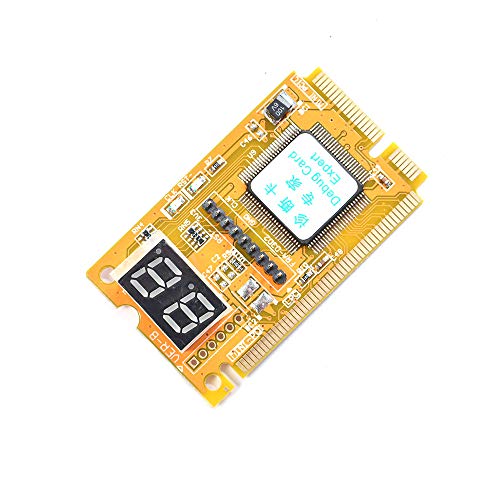
- Supports PCI, PCI-E, and LPC testing
- Works with laptops and personal computers
- Simple compact POST diagnostic card
Best For: Basic POST testing across multiple bus types
Feature-Rich USB-C Tester
YOJOCK 2-in-1 USB C Power Tester

- Measures voltage, current, capacity, power, and temperature
- Supports USB-A, USB-C, PD, and QC standards
- IPS color screen with multiple display modes
Best For: Advanced USB-C charger and power bank testing
USB BIOS/Post Diagnostic Kit
USB Multi-Port Motherboard Analyzer
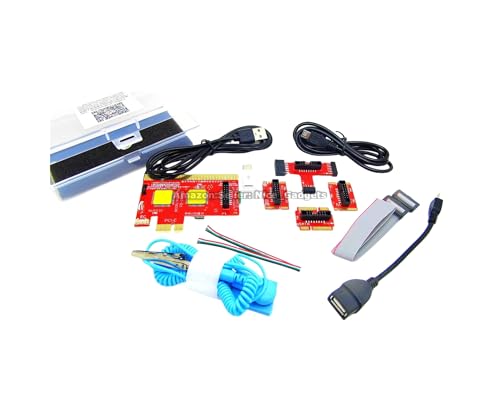
- Runs diagnosis data through USB ports, not just power checks.
- Works with standard USB, micro USB, and Type-C connections.
- Includes app, PDFs, and videos for guided troubleshooting.
Best For: Technicians and DIY users troubleshooting many device types
USB-C Power Meter

- Measures voltage, current, capacity, power, and impedance.
- Supports QC and PD quick-charging checks.
- Includes a color LCD and built-in safety protections.
Best For: Users checking chargers, cables, and power banks
App-Enabled USB Tester

- Supports USB-A, Micro-USB, and Type-C testing.
- Measures voltage, current, power, ripple, and capacity.
- Includes app software and fast-charge protocol detection.
Best For: Power users needing protocol and waveform analysis
Feature-Rich Bench Helper
MakerHawk USB Multimeter with LCD

- 1.54-inch LCD with 360-degree rotation
- Supports PD and QC fast-charge protocols
- Includes voltage, current, and temperature alerts
Best For: Users wanting a versatile USB meter with clear display controls
Color Screen Load Tester
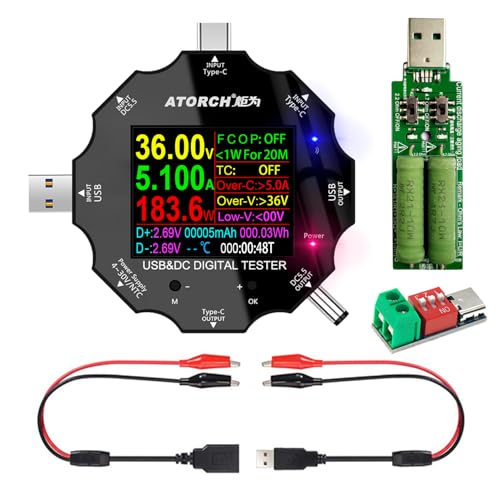
- Supports USB, Type-C, DC5.5, and micro USB
- Measures voltage, current, power, resistance, and capacity
- Adds load testing plus phone app viewing
Best For: Multi-connector USB power diagnostics with app viewing
Legacy Repair Starter Kit – PCI Motherboard & PSU Diagnostic Kit
If you need a practical pc diagnostic tool for usb power testing and older computer troubleshooting, this starter kit is built for legacy desktop and laptop repairs. It combines a PCI motherboard post test card, a smaller laptop test board, a PSU tester for 20/24-pin supplies, and handy support items to help isolate no-power and no-POST problems without swapping parts blindly.
Best For: Technicians, students, and DIY users diagnosing old PCs, laptops, and basic PSU power issues.
Pros:
- Includes both a large PCI desktop test board and a small laptop test board.
- Comes with a BIOS speaker, motherboard power switch cable, anti-static wrist strap, and carrying case.
- PSU tester is designed for quick checks of 20/24-pin ATX power supplies.
- Helpful for no power, no POST, no display, and auto power-off troubleshooting.
Cons:
- The large diagnostic card is a standard PCI card, not PCIe.
- Requires checking the correct slot type and pin fit carefully.
- Best suited to older systems rather than modern PCIe-only boards.
This is a well-rounded starter kit if your work still includes older desktops and laptops, especially when you want multiple basic diagnostics in one portable case. It is less of a universal tester and more of a focused legacy repair bundle.
USB Power Measurement Tool – Klein Tools ET920 USB Power Meter
For anyone shopping for a pc diagnostic tool for usb power testing, the Klein Tools ET920 is a straightforward in-line meter for checking USB voltage, current, capacity, energy, and calculated resistance. It supports USB-A and USB-C testing, including Qualcomm Quick Charge ports, so it fits well when you need to verify charger output or monitor a device’s power draw.
Best For: Users who want a durable handheld meter for USB charger, cable, and device power checks.
Pros:
- Measures voltage, current, capacity, energy, and resistance.
- Works with USB-A and USB-C, including Quick Charge ports.
- Stores and recalls up to 10 readings.
- Rugged, pocket-sized design with drop protection.
Cons:
- Limited to USB power testing rather than broader PC diagnostics.
- USB-A current range tops out at 3A.
- Best when used inline between source and load, so it is not a standalone tester.
The ET920 is a clean, jobsite-friendly choice if your main goal is to measure USB power delivery accurately. It is especially useful for comparing ports, cables, and chargers without adding unnecessary complexity.
Compact Multi-Bus Tester – Mini PCI PCI-E LPC Analyzer
Comimark 1Pcs Mini 3 in1 PC Laptop Analyzer PCI PCI-E LPC Tester Diagnostic Post Test Card
Check Price On AmazonIf you want a flexible pc diagnostic tool for usb power testing-adjacent motherboard troubleshooting, this mini 3-in-1 analyzer is aimed at diagnostic post code work on PCI, PCI-E, and LPC systems. It is a simple single-card option for checking a range of compatible desktop and laptop platforms when you need a basic POST tester in a compact form.
Best For: Users who want one small diagnostic card for PCI, PCIe, and LPC post-code testing.
Pros:
- 3-in-1 design supports PCI, PCI-E, and LPC testing.
- Compact form factor for a simple tool kit.
- Compatible with both laptops and personal computers.
Cons:
- Supplied details are sparse compared with full starter kits.
- Does not include PSU tester or accessory bundle.
- Best viewed as a basic POST analyzer rather than a complete repair kit.
This is the most streamlined option in the group if you mainly need broad bus compatibility in one small card. It makes sense for users who already have other repair tools and just need a straightforward post-test analyzer.
Feature-Rich USB-C Tester – YOJOCK 2-in-1 USB C Power Tester
For buyers looking for a pc diagnostic tool for usb power testing, the YOJOCK USB-C meter is a feature-rich option for checking voltage, current, power, capacity, temperature, resistance, and charging time. It supports both USB-A and USB-C, covers PD and QC charging standards, and is designed to monitor charger, cable, and power bank performance with a clear IPS color display.
Best For: People who want a versatile USB-C tester for chargers, cables, power banks, and fast-charging devices.
Pros:
- Tracks a wide set of readings including voltage, current, capacity, power, temperature, and resistance.
- Supports USB-A and USB-C with PD and QC compatibility.
- IPS color screen with multiple display interfaces for easier reading.
- Includes protection features such as over-voltage, over-current, and under-voltage protection.
Cons:
- Focused on USB power testing, not broader PC board diagnostics.
- Best capacity readings require the specific discharge setup described by the seller.
- May be more feature-rich than needed for very simple checks.
This meter is a strong pick if you want deeper insight into charging behavior and power-bank capacity, not just basic voltage readings. It offers more visibility than a simple inline tester and suits users who regularly test modern USB-C gear.
USB BIOS/Post Diagnostic Kit – USB Multi-Port Motherboard Analyzer
If you want a pc diagnostic tool for usb power testing that goes beyond simple voltage checks, this motherboard analyzer is built for full USB-based diagnosis across desktops, laptops, servers, Mac systems, tablets, and Android devices. It relies on the included Android app and PDF/video guides to display results on screen, so it is aimed at hands-on troubleshooting rather than quick plug-and-read testing.
Best For: Technicians and DIY users who need USB-based motherboard diagnosis across many machine types.
Pros:
- Uses USB ports to run diagnosis data, not just basic power detection.
- Supports standard USB, micro USB, and Type-C connections.
- Includes guides, videos, and app-based result display for troubleshooting.
- Works with a wide range of machines, including PCs, Macs, Android devices, and all-in-ones.
Cons:
- Requires studying the guides before use.
- Needs the correct Android app to display results.
- USB cables must be connected carefully to avoid unstable connectivity.
This is a more specialized diagnostic kit than a simple meter, so it makes the most sense when you need deeper motherboard troubleshooting through USB ports. If you are comfortable following the manuals, it offers a broad and practical repair workflow.
USB-C Power Meter – Color Screen Charging Tester
For buyers looking for a pc diagnostic tool for usb power testing focused on charging performance, this USB-C meter is a straightforward option. It measures voltage, current, capacity, power, impedance, and D+/D- voltage, making it useful for checking chargers, cables, power banks, and USB-C device charging behavior.
Best For: Users who want a compact USB-C tester for charger, cable, and power bank checks.
Pros:
- Measures voltage, current, capacity, power, and other charging data.
- Supports QC3.0, QC2.0, BC1.2, and PD quick-charging measurement.
- Color LCD with multiple display modes for easier monitoring.
- Includes safety protections such as over-voltage and over-current protection.
Cons:
- Focused on USB-C charging diagnostics rather than motherboard repair.
- Some PD functions may require the included adapter to trigger readings.
- Best suited to USB-enabled and Type-C-enabled devices only.
This tester is a practical pick if your main goal is checking charging speed, cable quality, and power delivery behavior. It is simpler than a full repair kit, but it covers the core USB power-testing basics well.
App-Enabled USB Tester – Fast Charge Analyzer with LCD
If you need a pc diagnostic tool for usb power testing with deeper measurement features, this FNIRSI tester offers a broad mix of charging analysis and protocol support. It monitors voltage, current, power, resistance, capacity, D+/D- voltage, ripple, and more, while also supporting an app and fast-charge trigger detection across several USB standards.
Best For: Power users who want a feature-rich USB tester for protocol and waveform analysis.
Pros:
- Supports USB-A, Micro-USB, and Type-C interfaces in one unit.
- Tracks voltage, current, power, resistance, capacity, and ripple measurements.
- Supports many fast-charge protocols, including PD2.0/3.0, QC2.0/QC3.0, and more.
- Includes app software, waveform drawing, and cable chip reading features.
Cons:
- No printed manual is included.
- Some functions depend on correct port selection and PD switch settings.
- Best results require compatible charging protocols.
This is the most advanced of the three for USB power diagnostics, especially if you want protocol-trigger testing and recorded measurement data. It is a strong fit for users who need more than a basic charger meter.
Compact Dual-Interface Tester – USB & Type-C Multi-Function Meter
If you want a practical pc diagnostic tool for usb power testing, this USB and Type-C tester is built for quick checks on chargers, cables, laptops, phones, and other USB/Type-C devices. It reads voltage, current, power, capacity, resistance, timing, and more on one screen, while also recognizing a wide range of fast-charging protocols automatically.
Best For: Users who want a simple dual-interface meter for everyday USB and Type-C power checks.
Pros:
- USB and Type-C dual interface supports a wide range of devices.
- Displays multiple parameters at once, including voltage, current, power, and capacity.
- Automatically detects many fast-charging protocols.
- Includes a display on/off function for easier use.
Cons:
- Focused on meter-style diagnostics rather than advanced logging features.
- Limited to DC 4.5-36V and up to 8A operation.
For straightforward USB power testing, this model covers the essentials without adding unnecessary complexity. It is a strong fit if you mainly want a compact checker that can quickly identify charging behavior across common USB and Type-C gear.
Feature-Rich Bench Helper – MakerHawk USB Multimeter with LCD
As a pc diagnostic tool for usb power testing, this MakerHawk meter is geared toward users who want more control and visibility while checking chargers, cables, PCs, laptops, and USB power devices. Its 1.54-inch LCD, screen rotation, alarm reminders, and support for PD and QC protocols make it a flexible pick for routine troubleshooting.
Best For: Users who want a versatile USB meter with clear display controls and protocol support.
Pros:
- 1.54-inch LCD with 360-degree screen rotation for easier reading.
- Supports PD and QC2.0/3.0/4.0 protocols, plus USB-A and Type-C use cases.
- Includes temperature, voltage, and current alarm reminders.
- Compatible with PCs, laptops, phones, chargers, cables, and load testing.
Cons:
- Battery-powered design means it is not a simple inline plug-and-forget meter.
- Screen behavior and connection notes may require a little setup familiarity.
This is a strong option if you value display flexibility and broader protocol coverage in a compact tester. It suits users who want more than a basic readout and prefer built-in alerts for faster troubleshooting.
Color Screen Load Tester – 3-in-1 USB C Meter
If you need a pc diagnostic tool for usb power testing with broader connector support, this 3-in-1 meter handles USB, Type-C, DC5.5, and micro USB devices. It measures voltage, current, power, resistance, and capacity, and it also adds fast-charge recognition, safety protections, and even phone app viewing for supported measurements and graphs.
Best For: Users who want a multi-connector tester with load-testing and app-based viewing options.
Pros:
- Supports USB, Type-C, DC5.5, and micro USB connections.
- Measures voltage, current, power, resistance, and capacity in real time.
- Includes load testing, fast-charge recognition, and over/under-voltage protection.
- Can transmit measurement data and graphs to a phone app.
Cons:
- Temperature probe is not included.
- Feature set may be more than needed for basic cable or charger checks.
This model stands out if you want more than a simple inline checker and need support for several connector types. Its combination of load testing, safety features, and app visibility makes it well suited for more involved USB power diagnostics.
How We Picked the Best PC Diagnostic Tool for USB Power Testing
We looked for devices that solve real troubleshooting problems: reliable readings, useful display quality, broad voltage/current ranges, and compatibility with common USB-A and USB-C setups. For a PC Diagnostic Tool for USB Power Testing, accuracy matters, but so does ease of use—especially if you are checking a charger, cable, battery pack, or PC USB port under time pressure.
We also favored models that offer more than one function, such as power monitoring, load testing, fast-charge detection, or basic motherboard/post-card diagnostics. That mix gives buyers more value without forcing them to buy several separate tools.
Quick Comparison
Not every tester serves the same job. Simple USB meters are best for quick voltage and current checks, while more advanced models add capacity tracking, resistance readings, load testing, or app support. If you need PC troubleshooting specifically, a post test card or motherboard analyzer is the better fit. If your focus is chargers, cables, and USB power delivery, a dedicated USB meter is usually enough.
Key Buying Factors for PC Diagnostic Tool for USB Power Testing
Measurement Range and Accuracy
Make sure the tester supports the voltage and current levels you actually use. For USB work, that often means checking standard 5V devices plus higher-voltage fast-charging protocols. Clear, stable readings are more useful than flashy extra features if the numbers drift or lag.
Display and Readability
A color screen, backlight, or well-organized layout makes a big difference when you are comparing cables or diagnosing intermittent issues. If you work in dim spaces or on bench setups, a readable display can speed up troubleshooting.
Connector Compatibility
Choose USB-A, USB-C, or dual-interface support based on your gear. A good PC Diagnostic Tool for USB Power Testing should match the ports you use most often, especially if you test laptops, chargers, hubs, or modern phones and tablets.
Extra Diagnostic Functions
Features like capacity logging, resistance measurement, load testing, and fast-charge detection help distinguish a weak cable from a weak charger or a port issue. For PC repair work, motherboard and PSU post-test capability can be especially valuable.
Who Should Buy Which PC Diagnostic Tool for USB Power Testing?
If you are a PC builder or repair tech, a motherboard/post-card tester is the smarter choice for system-level diagnostics. If you mainly test chargers, cables, and portable devices, pick a USB power meter with stable voltage/current readouts and fast-charge support. For lab-style testing or frequent use, models with app integration, load testing, or broader measurement ranges offer the most flexibility.
In short, buy based on what you diagnose most often. The right tool should make problems obvious, not add more complexity.
