
Choosing an oled monitor for desktop photo editing is about more than sharp resolution. You want reliable color, deep contrast, and a panel that helps you judge shadow detail and tonal transitions with confidence.
This roundup focuses on nine standout displays, including portable and desktop models, so you can match screen size, accuracy, and workflow needs without overbuying.
Best 9 Oled Monitor for Desktop Photo Editing Picks for 2026
Best Portable OLED
Upperizon 14-inch 4K Portable Monitor

- 4K OLED panel with ΔE < 2 calibration
- 100% DCI-P3, 10-bit color, and 100,000:1 contrast
- Ultra-light design with kickstand, sleeve, and VESA support
Best For: Photographers and designers who need a compact, color-accurate OLED display for travel or desk-side editing.
Best Budget IPS Option
ASUS VA24DQ 24-Inch 1080p IPS Monitor
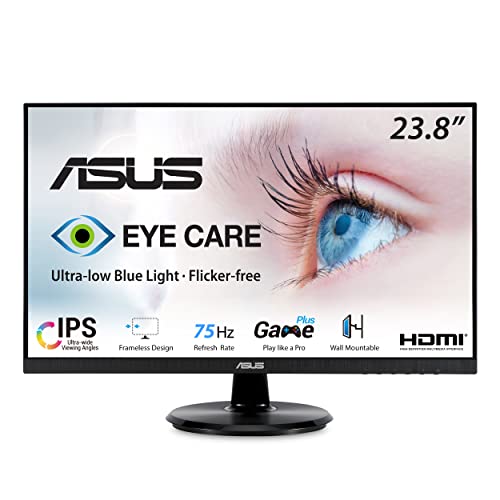
- IPS panel with wide viewing angles
- 75Hz with Adaptive-Sync/FreeSync support
- Eye Care flicker-free, low-blue-light display
Best For: Budget-conscious photographers and creators who need a simple IPS monitor for light editing and everyday work.
Best for Fast Color-Accurate Gaming
LG 27GX704A-B 27-inch QHD OLED

- OLED contrast with 98.5% DCI-P3 color
- 240Hz / 0.03ms for ultra-smooth motion
- HDR True Black 400 for deep blacks and highlights
Best For: Creators who edit photos on a color-rich OLED and also want top-tier gaming performance.
Best Portable Touch Pick
INNOCN 15.6" OLED Touch Monitor
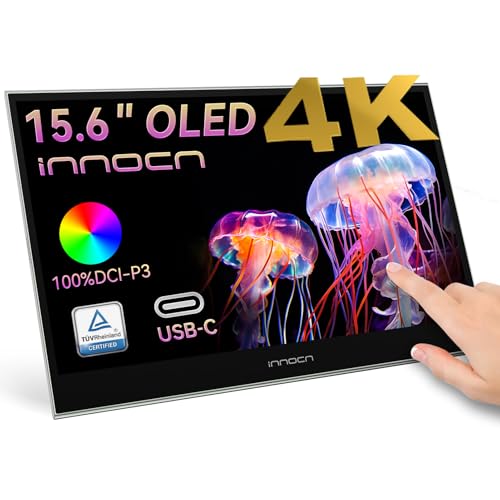
- 4K OLED panel with 100% DCI-P3 color
- 10-point touch for fast editing gestures
- USB-C and mini HDMI for easy plug-and-play use
Best For: Photographers and creators who want a compact OLED second screen for editing on the move.
Best for Color-Accurate Speed

- QD-OLED panel with true 10-bit color
- DCI-P3 99% and Delta E <2
- 26.5-inch WQHD panel with ergonomic stand
Best For: Creators who want rich contrast, wide color, and a fast panel for editing plus mixed-use.
Best for High-Refresh Creative Work
AOC 27" QD-OLED 1440p 240Hz

- QD-OLED contrast and rich color
- 27-inch 1440p size suits most desks
- Height-adjustable stand and USB hub
Best For: Creators who want OLED image quality with fast refresh and flexible desktop use.
Best Heavy-Duty Pick
INNOCN 15.6" OLED Portable Monitor
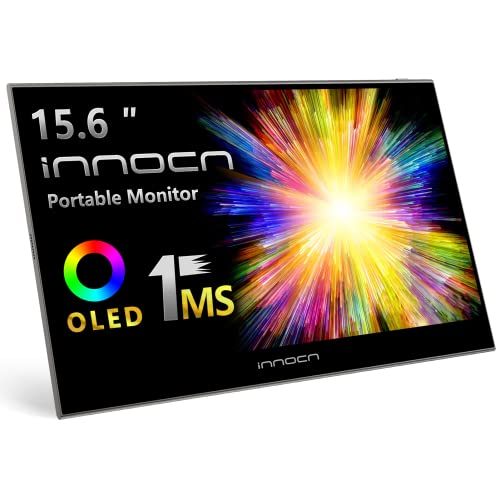
- Self-lit OLED with deep contrast and vivid color
- 100% DCI-P3 coverage for creator work
- USB-C and Mini HDMI make setup simple
Best For: Photographers and editors who want a portable color-accurate second screen.
Best Portable OLED – Upperizon 14-inch 4K Portable Monitor
If you want an oled monitor for desktop photo editing that also travels well, this Upperizon 14-inch portable display is built around color accuracy and deep contrast. The 4K OLED panel, factory calibration, and 100% DCI-P3 coverage make it a strong fit for creators who need reliable tones for retouching, grading, and review work.
Best For: Photographers and designers who want a compact, color-accurate OLED screen for editing at a desk or on the go.
Pros:
- 4K OLED panel with 100% DCI-P3 and ΔE < 2 calibration
- Deep blacks, high contrast, and 10-bit color for detailed image work
- USB-C and HDMI inputs for broad laptop and console compatibility
- Lightweight aluminum build with kickstand, sleeve, and VESA support
Cons:
- 14-inch size is great for portability, but small for primary desktop editing
- Peak brightness is solid, though not as high as some full-size pro monitors
- Needs compatible USB-C video output or external power for best results
For editors who value portability without giving up OLED contrast, this is a compelling niche pick. It makes sense as an oled monitor for desktop photo editing when you want a secondary color-accurate screen, but its compact size means it works best as a travel companion or desktop side display rather than a main studio monitor.
Best Budget IPS Option – ASUS VA24DQ 24-Inch 1080p IPS Monitor
If you want an affordable display for color-aware work without stretching into a true oled monitor for desktop photo editing budget, the ASUS VA24DQ is a practical 24-inch IPS pick. It delivers Full HD resolution, wide viewing angles, and a clean frameless design, making it a sensible everyday monitor for light editing, general productivity, and dual-monitor setups.
Best For: Budget-conscious photographers and creators who need an IPS monitor for casual editing, web content, and office use.
Pros:
- IPS panel with 178° viewing angles for more consistent image visibility
- 75Hz refresh rate with Adaptive-Sync/FreeSync for smoother motion and playback
- Eye Care features help reduce flicker and blue light during long sessions
- HDMI, DisplayPort, and VGA inputs make it easy to connect to older or newer systems
Cons:
- 1080p resolution is modest for detailed photo retouching
- Not an OLED panel, so contrast and black levels are limited by LCD tech
- 24-inch size may feel small for side-by-side editing workflows
For shoppers comparing an oled monitor for desktop photo editing with a more affordable alternative, this ASUS model is a sensible compromise: it won’t match OLED contrast, but it offers solid IPS color viewing, low eye strain, and broad connectivity at a friendlier price.
Best Portable OLED for Color-Accurate Editing – UPERFECT 14" 3K OLED Portable Monitor
If you want an oled monitor for desktop photo editing that travels well, this UPERFECT 14-inch panel delivers a sharp 3K resolution, deep OLED blacks, and wide-gamut color in a compact body. It’s a strong fit for creators who need a secondary screen for checking tones, contrast, and detail without giving up portability.
Best For: Photographers and creators who want a compact, high-contrast editing display with wide color coverage for on-the-go or small-desk use.
Pros:
- 3K 2880×1800 OLED panel with true blacks and very high contrast
- 120% DCI-P3 wide gamut and 8-bit+FRC color for creator-focused work
- 500 nits brightness helps with visibility in brighter rooms
- Ultra-slim metal design with a built-in adjustable stand and VESA support
Cons:
- 14-inch screen size may feel small for extended desktop editing sessions
- HDMI input tops out at 100Hz at full resolution
- Portable monitor ergonomics depend on the included stand and setup angle
For an oled monitor for desktop photo editing, this model stands out more for portability and rich image quality than for a large, permanent workstation setup. It makes the most sense if you want an accurate, high-contrast companion display for retouching, proofing, and travel work.
Best for Fast Color-Accurate Gaming – LG 27GX704A-B 27-inch QHD OLED
If you want an oled monitor for desktop photo editing that still doubles as a high-end gaming display, the LG 27GX704A-B is a compelling hybrid. Its 27-inch QHD OLED panel delivers deep blacks, strong contrast, and wide DCI-P3 coverage, while the glossy finish and HDR support help images look rich and punchy. Just keep in mind that it’s tuned first for speed, so it’s best suited to editors who also value motion clarity and a vibrant, high-impact image.
Best For: Creators who edit photos on a color-rich OLED and also want top-tier gaming performance.
Pros:
- OLED contrast and 98.5% DCI-P3 help with vivid image review and editing.
- 240Hz refresh rate and 0.03ms response time make it excellent for fast PC gaming.
- HDR True Black 400 adds depth and highlight detail for previewing photos and media.
- HDMI 2.1 and DisplayPort support make it easy to connect modern PCs and consoles.
Cons:
- Glossy finish can reflect light in bright desktop setups.
- QHD resolution is good, but not as roomy as 4K for detailed photo workflows.
- OLED owners should still manage brightness and static UI elements carefully.
For an oled monitor for desktop photo editing, this LG makes sense if you want rich contrast, strong color, and fast responsiveness in one screen. It’s not the most detail-dense option for pure editing, but it offers a very attractive balance for creators who also game.
Best Portable Touch Pick – INNOCN 15.6" OLED Touch Monitor
If you want an oled monitor for desktop photo editing that can also move between a laptop, PC, or tablet-style setup, this INNOCN 15.6-inch portable display is a flexible option. Its 4K resolution, 100% DCI-P3 coverage, 10-bit color, and OLED contrast are aimed at creators who need rich image detail in a secondary screen.
Best For: Photographers and creators who want a compact, touch-enabled OLED second screen for color-sensitive editing on the go or at a small desk.
Pros:
- OLED panel with 4K detail, 100% DCI-P3, and 100000:1 contrast for vivid image work
- 10-point touch support makes zooming, panning, and quick adjustments feel intuitive
- USB-C and mini HDMI connectivity keeps setup simple with laptops, PCs, and more
- Portable size works well as a travel-friendly secondary editing display
Cons:
- 15.6-inch screen is compact for full desktop editing sessions
- Portable design may not replace a larger calibrated studio monitor
- Best results depend on source device support and proper color management
For buyers prioritizing portability and touch control, this is a strong oled monitor for desktop photo editing when you need a second screen rather than a primary studio reference display. It balances sharpness, wide color, and easy connectivity in a travel-ready form factor.
Best for Color-Accurate Speed – Acer X27U 26.5" QD-OLED WQHD
If you want an oled monitor for desktop photo editing that also doubles as a high-performance screen for motion work, the Acer X27U is a compelling pick. Its QD-OLED panel delivers deep blacks, strong contrast, and wide gamut coverage, while the 2560×1440 resolution keeps the desktop sharp enough for detailed image review.
Best For: Creators who want rich contrast and wide color on a fast 26.5-inch panel for editing, proofing, and everyday mixed use.
Pros:
- QD-OLED panel with true 10-bit color for strong contrast and vivid image depth
- DCI-P3 99% coverage and Delta E <2 for better color-critical editing potential
- WQHD resolution and 26.5-inch size make it a comfortable desktop workspace
- Height, tilt, swivel, and pivot adjustments help dial in an ergonomic setup
Cons:
- 240Hz refresh rate is more of a gaming feature than a photo-editing necessity
- OLED panels can require care with static UI elements over long sessions
This is a strong choice if you want an oled monitor for desktop photo editing with punchy contrast and excellent color volume, but it makes the most sense for users who also value speed and gaming-ready performance. If your workflow includes both editing and entertainment, the Acer X27U offers a very appealing balance.
Best Touchscreen Pick – UPERFECT 14" 3K OLED Touch Monitor
If you want an oled monitor for desktop photo editing that also doubles as a highly portable second screen, this UPERFECT 14-inch panel is a compelling option. The 3K OLED display delivers deep contrast, strong color coverage, and fine detail, while the touchscreen adds handy precision for zooming, panning, and UI work in editing apps.
Best For: Creators who want a compact OLED editing display with touch input for travel, small desks, or a mobile desktop setup.
Pros:
- 3K 2880×1800 OLED panel with true blacks and rich contrast
- 120% DCI-P3 color and up to 500 nits brightness for vibrant image work
- Touchscreen support is useful for quick navigation and fine adjustments
- Ultra-slim metal body with VESA support makes it easy to move between setups
Cons:
- 14-inch size is small for detailed desktop editing compared with larger monitors
- Full 120Hz requires Type-C; HDMI is limited to 100Hz at 3K
- Portable form factor may not suit users who need a fixed, color-critical studio display
For a compact travel-friendly panel, this is a strong choice if you want an oled monitor for desktop photo editing without giving up OLED contrast or touchscreen convenience. Just keep in mind that its small size makes it better as a secondary editing screen than a full-time main workstation monitor.
Best for High-Refresh Creative Work – AOC 27" QD-OLED 1440p 240Hz
If you want an oled monitor for desktop photo editing that also doubles as a fast everyday display, this AOC 27-inch QD-OLED is a strong all-around option. The 1440p resolution, true black contrast, and wide color performance make it appealing for image work, while the 240Hz refresh rate keeps motion extremely smooth.
Best For: Creators who want OLED contrast and color with a versatile size for both photo editing and mixed-use desk setups.
Pros:
- QD-OLED panel delivers deep blacks and vivid contrast for photo review
- 27-inch 1440p format is a practical fit for most desktop editing setups
- Height-adjustable stand and USB hub improve day-to-day usability
- HDMI 2.1 and G-SYNC compatibility add flexibility for mixed use
Cons:
- 240Hz is more than most photo editors need, so you pay for extra speed
- OLED care considerations may matter for static UI-heavy editing sessions
- 1440p is solid, but not as roomy as larger 4K editing displays
This is a compelling oled monitor for desktop photo editing if you value contrast, color pop, and a responsive all-purpose screen over maximum resolution. It makes the most sense for buyers who also game or want a premium daily driver, rather than photographers who need the most workspace possible.
Best Heavy-Duty Pick – INNOCN 15.6" OLED Portable Monitor
If you need an oled monitor for desktop photo editing and also want a screen you can carry between locations, the INNOCN 15.6" OLED Portable Monitor is built for color-rich work in a compact form. Its self-lit OLED panel, 100% DCI-P3 coverage, and high contrast make it a strong fit for reviewing images, grading video, and doing creative edits without a bulky desktop display.
Best For: Photographers, editors, and mobile creators who want OLED image quality in a travel-friendly second monitor.
Pros:
- OLED panel with vivid color and deep contrast
- 100% DCI-P3 and 400 nits for creator-focused visuals
- USB-C and Mini HDMI support for easy plug-and-play use
- Thin, lightweight design with a protective stand case
Cons:
- 15.6-inch size is small for a primary desktop editing display
- Portable format means less workspace than full-size monitors
- Best results depend on proper color management and calibration
For buyers prioritizing portability and rich color over screen size, this is a compelling oled monitor for desktop photo editing. It makes the most sense as a second display for culling, retouching, and on-the-go creative work rather than as a large studio centerpiece.
How We Picked the Best Oled Monitor for Desktop Photo Editing
We prioritized color-relevant specs first: OLED or QD-OLED panels, wide gamuts such as DCI-P3, strong contrast, and useful bit-depth claims for editing work. We also looked at resolution, screen size, connectivity, and ergonomics, since photo editors often need a stable, comfortable setup for long sessions.
Because an Oled Monitor for Desktop Photo Editing can be used in both studio and travel workflows, we included a mix of portable and desktop options. Gaming-focused models can still be strong editing displays when they offer high resolution, excellent contrast, and solid color coverage.
Quick Comparison
Portable 14- to 15.6-inch OLED monitors are best for travel, tethered shoots, or a dual-screen setup with a laptop. They are convenient, but smaller screens can make fine retouching and detailed soft-proofing harder.
27-inch class desktop OLED and QD-OLED monitors are the sweet spot for most editors. They provide more usable workspace, easier panel calibration, and a better balance of sharpness and viewing comfort for layered editing, culling, and print prep.
Key Buying Factors for Oled Monitor for Desktop Photo Editing
Color Gamut and Accuracy
Look for wide-gamut coverage, especially strong DCI-P3 or Adobe RGB support if available. A broad gamut helps preserve saturated colors and reduces clipping when editing vivid scenes. For serious work, calibration support matters just as much as the panel spec sheet.
Resolution and Screen Size
Higher resolution makes it easier to inspect details, mask edges, and judge sharpening. On smaller portable displays, 3K or 4K helps offset the compact size. On 27-inch monitors, QHD is often a practical minimum, though 4K is ideal if your workflow and budget allow it.
Uniformity, Contrast, and HDR Behavior
OLED’s main advantage is near-perfect black levels and excellent perceived contrast. That makes it easier to evaluate shadows and local contrast in portraits, landscapes, and product shots. Still, HDR claims are not the same as color accuracy, so treat them as a bonus rather than the main reason to buy.
Connectivity and Ergonomics
USB-C, HDMI, DisplayPort, height adjustment, and VESA compatibility can make a big difference in day-to-day usability. A flexible stand and easy cable management matter more than they seem, especially if you edit for hours at a time.
Who Should Buy Which Oled Monitor for Desktop Photo Editing?
If you travel often or edit on a laptop, a portable OLED monitor is the most flexible option. If you primarily edit at a desk, a 27-inch QD-OLED or OLED monitor will usually deliver the best balance of size, clarity, and comfort.
Choose a touch-enabled portable model if your workflow benefits from quick navigation or second-screen use. Choose a higher-refresh gaming OLED only if it still meets your color and resolution needs, since photo editing should always come before frame rate.
