
Building a reliable home lab Kubernetes setup starts with choosing hardware that balances performance, power efficiency, and network connectivity. The right mini PC can run a control plane, worker nodes, local services, and lightweight VMs without taking over your desk or power bill.
Below, we focus on compact systems that make sense for homelab use: enough CPU headroom for containers and orchestration, upgrade-friendly memory and storage, and the wired networking features that matter most in a mini PC for home lab Kubernetes.
Best 10 Mini PC for Home Lab Kubernetes Picks for 2026
Best for Easy Proxmox Setup

- Proxmox VE + Home Assistant preinstalled
- Ryzen R2514 4C/8T for light virtualization
- Expandable RAM and dual NVMe storage
Best For: Home lab users who want a ready-to-run Proxmox mini PC for Kubernetes and self-hosting.
Best for Dense Homelabs

- Ultra 9 185H CPU for container and VM workloads
- Dual 2.5G LAN for Kubernetes and lab networking
- Quiet, compact design for always-on use
Best For: Homelab builders who want a compact, high-performance node for Kubernetes, Docker, and Proxmox.
Best for Easy Home Assistant Setup
- Home Assistant OS preinstalled for quick setup
- Expandable dual-RAM and dual-NVMe design
- Compact, 24/7-friendly footprint for labs and desks
Best For: Buyers who want a simple smart-home host that can also serve as a light Kubernetes and home lab machine.
Best for Quiet 24/7 Labs
Fanless Firewall Mini PC with 4x I226 LAN

- Silent fanless 6W design for always-on use
- Four Intel i226 LAN ports for lab networking
- Compact VESA-mount chassis saves space
Best For: Home labs that need a quiet, low-power firewall or networking box for lightweight Kubernetes-related tasks.
Best Expandable Value
GEEKOM A5 2026 Edition Mini PC
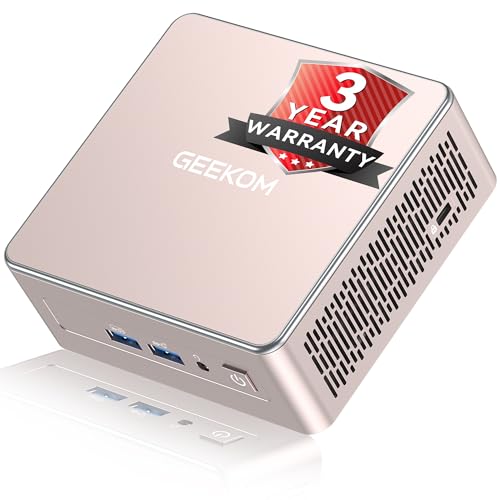
- Ryzen 5 7430U offers efficient everyday performance
- Upgradeable to 64GB RAM with multiple storage options
- 3-year warranty and lots of connectivity for the price
Best For: Light homelab users who want an affordable, expandable mini PC for everyday work and starter Kubernetes projects.
Best Fanless Network Node
Firewall Appliance Mini PC 2.5Gbe

- 4x Intel I226 2.5GbE ports for homelab networking
- Fanless 6W N100 design stays quiet and efficient
- Works well with pfSense, OPNsense, and Proxmox
Best For: Home lab users who need a quiet firewall appliance with fast networking for edge services.
Best for Light Kubernetes Labs

- Ryzen R2544 offers better entry-level performance than N95/N150-class chips
- 16GB RAM is useful for lightweight containers and small VM tests
- Compact VESA-mount design fits neatly into a home lab setup
Best For: Lightweight Kubernetes testing and compact homelabs on a budget.
Best for Quiet Network Labs
Fanless J3710 4-Port Firewall Mini PC

- 4x Intel i226 LAN ports for segmented lab networking
- Fanless 6.5W design for silent 24/7 operation
- Good fit for pfSense/OPNsense and edge routing
Best For: Home lab builders who want a silent gateway or firewall box for networking-focused Kubernetes setups.
Best Value for Home Lab

- Ryzen R2544 is stronger than many N100/N95-class minis
- 16GB RAM + 512GB SSD gives a workable homelab starting point
- Supports Linux, PXE, Wake-on-LAN, and auto power on
Best For: Budget buyers who want a compact, always-on mini PC for light home lab and Kubernetes testing.
Best for Easy Proxmox Setup – TK Node Mini PC R2514
If you want a mini pc for home lab kubernetes that also makes day-one virtualization easy, the TK Node is a practical choice. It ships with Proxmox VE and Home Assistant preinstalled, so you can skip the usual install work and get straight to testing containers, automation, and self-hosted services.
Best For: Home lab builders who want a compact, ready-to-run Proxmox system for experimenting with Kubernetes, Home Assistant, and always-on services.
Pros:
- Proxmox VE and Home Assistant are preinstalled for fast setup.
- Ryzen R2514 4C/8T chip is a solid fit for light virtualization and container workloads.
- 16GB RAM and 512GB SSD provide a usable starting point out of the box.
- Dual NVMe and up to 64GB RAM leave room to grow.
Cons:
- 16GB memory may feel limiting for larger Kubernetes clusters or many VMs.
- Ryzen R2514 is efficient, but not the best pick for heavy compute workloads.
- Preinstalled software is convenient, but some users may still prefer a clean custom build.
Overall, this is a strong plug-and-play option if you value speed, simplicity, and a compact footprint over maximum raw power. For anyone shopping for a mini pc for home lab kubernetes, it stands out as an easier on-ramp to Proxmox-based experimentation and small-scale self-hosting.
Best for Dense Homelabs – GEEKOM IT13 MAX AI Mini PC
If you want a compact but fast mini pc for home lab kubernetes, the GEEKOM IT13 MAX stands out for its Intel Core Ultra 9 185H, dual 2.5G LAN, and Linux-friendly hardware support. It has enough CPU headroom for containers, lightweight VMs, CI jobs, and local AI tools without taking up much desk space.
Best For: Homelab builders who want a small, quiet node for Kubernetes, Docker, Proxmox, and other always-on services.
Pros:
- Intel Core Ultra 9 185H delivers strong multicore performance for containers and VMs.
- Dual 2.5G LAN is a major plus for networking, cluster traffic, and lab setups.
- Linux support and no-bloatware design make it easier to deploy in homelabs.
- Quiet 65W cooling and compact size suit 24/7 desk or shelf use.
Cons:
- 24GB RAM is usable, but serious Kubernetes or VM stacks may want more memory.
- 500GB SSD is on the small side for storage-heavy lab environments.
- Premium specs can push the price above simpler mini PCs.
Overall, this is a strong choice if you want a fast, compact mini pc for home lab kubernetes with better networking than most small desktops. It is especially appealing when you need one box that can handle development work during the day and cluster services at night.
Best for Easy Home Assistant Setup – TK Node Mini PC
If you want a mini pc for home lab kubernetes that also doubles as a simple smart-home server, the TK Node is appealing because it comes with Home Assistant OS preinstalled and a compact 24/7-ready design. The AMD Ryzen R2514, 8GB of RAM, and 256GB SSD are enough for light container work, home automation, and entry-level lab tasks without much setup friction.
Best For: Buyers who want a low-hassle Home Assistant box that can also handle a small Kubernetes lab, basic virtualization, and always-on home services.
Pros:
- Home Assistant OS preinstalled for fast, cloud-light smart home deployment
- Compact 5″ x 5″ footprint with VESA mount for clean lab or desk placement
- Dual RAM slots and dual NVMe support give you room to expand later
- Triple 4K display support and modern I/O add flexibility beyond server use
Cons:
- 8GB RAM is fine for starters, but Kubernetes and virtualization will benefit from an upgrade
- 256GB storage is modest for larger images, logs, and VM/test data
- Not the right pick if you need a high-core-count host for heavier cluster workloads
As a mini pc for home lab kubernetes, this model makes the most sense for users who value easy onboarding and smart-home readiness more than raw compute. It is a practical starter node, but you will likely want to expand memory and storage as your lab grows.
Best for High-Performance Kubernetes Labs – GEEKOM IT15 AI Mini PC
If you want a mini pc for home lab kubernetes that can also handle serious day-to-day workloads, the GEEKOM IT15 stands out for its strong CPU, fast SSD, and generous connectivity. It has enough headroom for coding, containers, light AI workloads, and multitasking without feeling cramped.
Best For: Home lab users who want a compact but powerful machine for Kubernetes clusters, coding, and mixed productivity work.
Pros:
- Intel Core Ultra 9 285H brings strong performance for containers, development, and multitasking
- 32GB DDR5 RAM and 1TB Gen 4 SSD provide a solid base for virtualized home lab workloads
- Dual USB4, dual HDMI, WiFi 7, and 2.5GbE make it flexible for networking and expansion
- Quiet cooling and 24/7-oriented build quality suit always-on lab use
Cons:
- Higher-priced than basic mini PCs aimed only at lightweight cluster nodes
- Single-box power is great, but larger Kubernetes setups still benefit from multiple nodes
- Integrated graphics are fine for general use, not a replacement for a discrete GPU
For a mini pc for home lab kubernetes, the IT15 is compelling because it combines desktop-class performance with modern I/O and network features that matter in a real lab. It’s a strong choice if you want one compact system that can do more than just sit in a cluster.
Best for Quiet 24/7 Labs – Fanless Firewall Mini PC with 4x I226 LAN
If you want a practical mini pc for home lab kubernetes, this fanless firewall appliance is a budget-friendly way to get multiple Intel LAN ports, low power draw, and silent always-on operation. It is not a high-performance Kubernetes node, but it can work well as a router, firewall, or light lab box for networking services and small test clusters.
Best For: Home labs that need a quiet, low-watt system for pfSense, OPNsense, routing, and lightweight Kubernetes networking tasks.
Pros:
- Fanless 6W design keeps it silent and suitable for 24/7 use
- Four Intel i226 LAN ports are ideal for firewall and network lab setups
- Compact VESA-mount chassis saves desk or rack-adjacent space
- Supports pfSense, OPNsense, Ubuntu, and other open-source OS options
Cons:
- Intel J3710 is entry-level and not meant for demanding Kubernetes workloads
- DDR3 and mSATA storage are older standards compared with newer mini PCs
- Only 8GB max RAM limits room for larger containers or multiple nodes
For a mini pc for home lab kubernetes, this model makes the most sense when your priority is networking flexibility, silence, and always-on reliability rather than raw compute. It is better suited to edge services, router duties, and lightweight experiments than to running heavier cluster workloads.
Best Expandable Value – GEEKOM A5 2026 Edition Mini PC
If you want a compact, upgrade-friendly mini pc for home lab kubernetes basics, the GEEKOM A5 is a practical pick thanks to its Ryzen 5 7430U, 16GB of RAM, and flexible storage expansion. It is not a powerhouse for heavy cluster workloads, but it offers the ports, memory headroom, and 24/7-friendly design that make it a sensible starting point for homelab use.
Best For: Budget-conscious buyers who want a compact, expandable mini PC for light home lab work, desktop multitasking, and general office use.
Pros:
- Ryzen 5 7430U delivers solid efficiency for everyday lab and productivity tasks
- Upgradeable RAM up to 64GB plus multiple storage expansion options
- Six USB ports, Wi-Fi 6, Bluetooth 5.2, and dual HDMI for flexible setups
- 3-year warranty adds peace of mind for long-term use
Cons:
- Integrated graphics and 6-core CPU are better for light Kubernetes nodes than heavier clusters
- DDR4 platform is less future-facing than newer DDR5-based minis
- Storage and memory may need upgrades for more serious homelab builds
Overall, the GEEKOM A5 makes sense if you want an affordable, upgradeable mini PC that can handle entry-level mini pc for home lab kubernetes projects without taking up much space. Its value comes from expandability and warranty support more than raw performance.
Best Fanless Network Node – Firewall Appliance Mini PC 2.5Gbe
If you want a compact, low-power mini pc for home lab kubernetes or a dedicated router/firewall box, this fanless N100 system is built around networking first. The four Intel I226 2.5GbE ports, AES-NI support, and silent design make it a practical pick for OPNsense, pfSense, Proxmox, or other always-on lab services.
Best For: Home lab users who want a quiet, 2.5GbE firewall appliance that can double as a lightweight virtualization or edge server node.
Pros:
- 4x Intel I226 2.5GbE ports are ideal for routing, VLANs, and segmented lab networks
- Fanless 6W Alder Lake-N processor keeps power use and noise very low
- Supports pfSense, OPNsense, Proxmox, ESXi, and other common homelab software
- DDR5 memory and M.2 SSD support make it flexible for custom builds
Cons:
- N100 performance is fine for networking and light services, but not heavy Kubernetes workloads
- Listing notes can vary on RAM/SSD configuration, so check the exact bundle before buying
This is a strong fit if your mini pc for home lab kubernetes setup needs more networking capability than raw compute. It makes the most sense as an edge device, firewall, or control-plane host for small clusters rather than a dense multi-node worker machine.
Best for Light Kubernetes Labs – KAMRUI Pinova P1 Mini PC
If you want an affordable mini pc for home lab kubernetes setups, the KAMRUI Pinova P1 is a practical starting point. Its Ryzen R2544 chip, 16GB of RAM, and 256GB SSD give you enough headroom for small cluster experiments, Docker workloads, and general admin tasks without taking up much desk space.
Best For: Beginners and budget-minded homelab users who need a compact Windows/Linux mini PC for lightweight Kubernetes testing, Plex-adjacent tasks, and everyday remote management.
Pros:
- Ryzen R2544 with 4 cores/4 threads is a solid step up from entry-level N95/N150-class chips
- 16GB RAM helps with container workloads, small VMs, and multitasking
- Triple-display support plus WiFi, Bluetooth, and Gigabit Ethernet add flexibility
- Very compact chassis with VESA mount support for tight lab spaces
Cons:
- 256GB storage is modest if you plan to run multiple images, logs, or VMs
- 4 cores can feel limiting for larger Kubernetes clusters or heavier virtualization
- WiFi 5 and Bluetooth 4.2 are serviceable but not cutting-edge
For a mini pc for home lab kubernetes on a budget, this model makes sense if you value low footprint and enough everyday performance over server-grade expansion. It is better suited to learning, testing, and light always-on duties than to a serious multi-node production-style lab.
Best for Quiet Network Labs – Fanless J3710 4-Port Firewall Mini PC
If you want a low-power, always-on mini pc for home lab kubernetes networking tasks, this fanless firewall appliance is better suited as a gateway, router, or edge node than as a heavy worker. The four Intel i226 LAN ports, AES-NI support, and compact fanless chassis make it a practical fit for home lab environments where silence and 24/7 uptime matter.
Best For: Home lab builders who need a quiet, compact box for routing, firewalling, and light Kubernetes-related networking experiments.
Pros:
- 4x Intel i226 LAN ports are great for routing, VLANs, and segmented lab networks
- Fanless 6.5W design keeps noise down for always-on use
- AES-NI support and pfSense/OPNsense testing make it network-lab friendly
- VESA mount and small footprint help it disappear in tight spaces
Cons:
- Intel J3710 is modest and not ideal for running Kubernetes workloads directly
- 8GB max DDR3 RAM and mSATA storage limit expansion
- Better as an edge appliance than a main home lab server
This is a smart pick if your mini pc for home lab kubernetes setup needs a silent network appliance first and a compute node second. It shines as the router, firewall, or lab gateway that supports your cluster infrastructure without adding fan noise or much power draw.
Best Value for Home Lab – KAMRUI Pinova P1 Mini PC
The KAMRUI Pinova P1 is a practical mini pc for home lab kubernetes users who want a compact node with enough CPU headroom for lightweight containers, test clusters, and always-on services. Its Ryzen R2544 chip, 16GB of RAM, and 512GB SSD make it a solid entry-level box for homelab basics without taking up much desk or rack space.
Best For: Budget-conscious buyers who need a compact Windows/Linux-ready mini PC for lab work, media, and general home office tasks.
Pros:
- 4-core Ryzen R2544 offers better performance than many N100/N95-class minis
- 16GB RAM and 512GB SSD are a good starting point for containers and light virtualization
- Supports Linux, PXE, Wake-on-LAN, RTC wake, and auto power on
- Triple-display output plus dual-band Wi‑Fi, Gigabit Ethernet, and Bluetooth
Cons:
- Not ideal for heavy Kubernetes clusters or demanding VM workloads
- Only one Ethernet port, so advanced lab networking may need a USB adapter or switch
- Bluetooth 4.2 and Wi‑Fi 5 are functional, but not the newest standards
For a mini pc for home lab kubernetes on a tight budget, the P1 makes sense if you prioritize low power, small size, and useful remote-management features over raw expandability. It is a sensible starter node, but power users will still want more RAM and storage for bigger clusters.
How We Picked the Best Mini PC for Home Lab Kubernetes
For a Mini PC for Home Lab Kubernetes, the most important factors are not just raw speed. We looked for systems with efficient CPUs, practical RAM and SSD configurations, and the kind of I/O that supports always-on workloads. We also favored models that can serve as nodes, routers, or utility boxes in a larger homelab stack.
Because Kubernetes workloads vary, the best choice depends on whether you want a single-node learning box, a few-node cluster, or a machine that also runs Proxmox, Home Assistant, or firewall services.
Quick Comparison
Higher-core and higher-RAM systems are better for multi-node orchestration, heavier container stacks, and VM overlap. Lower-power fanless options are better when you need 24/7 uptime, quiet operation, or dedicated network services. If you want a balanced entry point, look for at least 16GB of RAM, an NVMe SSD, and dual or multi-port Ethernet where possible.
Best Fit by Use Case
Choose more capable Intel Core Ultra or Ryzen-class mini PCs for general compute and mixed lab work. Choose fanless N-series or firewall-style systems for gateway roles, lightweight services, and low-power networking nodes.
Key Buying Factors for Mini PC for Home Lab Kubernetes
CPU: Kubernetes itself is not extremely CPU-hungry, but your containers, monitoring tools, ingress, and background services add up quickly. More cores help when running multiple pods, local registries, or VMs alongside the cluster.
Memory: RAM is often the first bottleneck in a homelab. For testing and light services, 8GB can work, but 16GB is a much safer baseline. If you plan to run Proxmox, databases, observability tools, or multiple nodes on one system, 32GB or more is preferable.
Storage: NVMe SSDs improve responsiveness for container images, logs, and VM disks. Larger drives also reduce friction when you start experimenting with more services and persistent volumes.
Networking: Fast, stable wired Ethernet matters more than flashy graphics. Dual LAN is useful for lab segmentation, while 2.5GbE or multiple Intel NICs are valuable for routing, cluster traffic, and storage experiments.
Thermals and power: Quiet, efficient systems are easier to leave on continuously. Fanless mini PCs can be ideal for low-load services, but higher-performance chips may need active cooling for sustained workloads.
Expandability: Upgradable RAM and SSDs make a big difference in a lab environment, where needs tend to grow over time.
Who Should Buy Which Mini PC for Home Lab Kubernetes?
Beginners: Start with a balanced, upgradable mini PC that offers 16GB of RAM and a decent NVMe SSD. This gives you room to learn Kubernetes without immediately hitting limits.
Cluster builders: If you want multiple nodes, prioritize efficient CPUs, low power draw, and reliable networking so you can scale horizontally instead of overloading one machine.
Power users: Choose higher-end Core Ultra or Ryzen systems if you plan to run Kubernetes plus VMs, observability stacks, CI jobs, or AI-assisted tools on the same hardware.
Network-focused homelabbers: A fanless firewall-style box with multiple Intel NICs is best when the goal is routing, segmentation, and edge services rather than heavy compute.
In short, the best Mini PC for Home Lab Kubernetes is the one that matches your workload mix today while leaving enough headroom for the projects you will inevitably add tomorrow.
