
If you code on a MacBook, a screen extender can make long work sessions feel far less cramped. More room for your editor, terminal, docs, and browser means smoother multitasking and fewer constant window swaps.
This guide focuses on the best options for developers who want portable extra screen space without building a full desk setup.
Best 10 Macbook Screen Extenders for Programming Picks for 2026
Best for Easy Dual-Screen Setup
KEFEYA 14" FHD Laptop Screen Extender

- 14" 1080p IPS display for clearer code and text
- Plug-and-play connection via USB-C or HDMI
- Landscape and portrait modes for flexible layouts
Best For: Developers who want a portable, low-fuss second screen for coding and multitasking.
Best for Portable Dual-Screen Coding
Laptop Screen Extender 14" FHD Portable Monitor

- 14-inch 1080p IPS display for readable code and docs
- Plug-and-play connection with USB-C or HDMI
- Rotates and tilts for flexible MacBook multitasking
Best For: Programmers who want a lightweight second screen for coding and multitasking on the go.
Best Triple-Screen Setup
Vixtan 14" Triple Laptop Screen Extender

- Triple-screen layout for coding and multitasking
- USB-C plug-and-play connection
- Lightweight 3.0 lb portable design
Best For: Developers who want a portable triple-screen attachment for extra coding space.
Best for Everyday Use
APILDELLA 14'' Dual Laptop Screen Extender

- Plug-and-play setup with USB-C, USB-A, and HDMI support
- 14-inch 1080p IPS panel with adjustable brightness and HDR
- Compatible with Mac, Windows, Android, and Chrome laptops
Best For: Developers who want a portable dual-screen setup for coding and remote work.
Best for Triple-Screen Productivity
APILDELLA 15.6’’ Triple Laptop Screen Extender
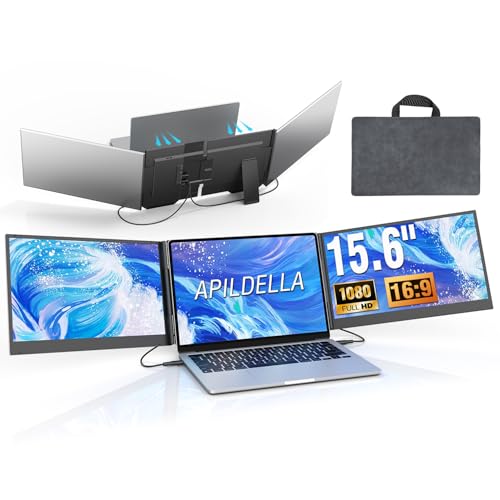
- Adds two 15.6-inch 1080p panels for a true multi-window coding setup.
- Portable aluminum design with travel bag suits mobile work.
- Plug-and-play setup is simpler than many multi-monitor laptop rigs.
Best For: Programmers who want a portable triple-screen setup for a MacBook or Windows laptop.
Best Heavy-Duty Pick
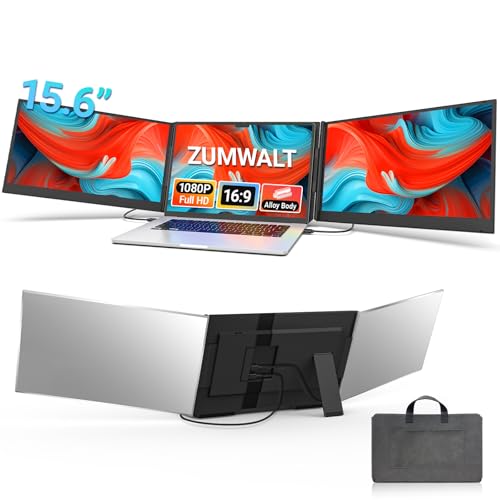
- Adds two 15.6" displays for a true triple-screen coding setup
- USB-C plug-and-play on compatible laptops keeps setup simple
- Foldable portable design includes a carrying bag for travel
Best For: Developers who want maximum screen space for coding and multitasking away from the desk.
Best Triple-Screen Travel Pick
Blackview 14" Triple Screen Extender

- Adds a practical triple-screen layout for coding and multitasking
- 14" 1080p IPS panels with anti-glare help during long work sessions
- Lightweight, travel-friendly clamp-on design with plug-and-play setup
Best For: MacBook programmers who want a portable multi-monitor setup for coding on the go.
Best for Easy Dual-Screen Setup – KEFEYA 14" FHD Laptop Screen Extender
If you want macbook screen extenders for programming that are quick to set up and easy to carry, this KEFEYA 14-inch portable monitor is a practical pick. It gives you a second 1080p IPS display for code, docs, chat, and debugging without constantly swapping tabs, and it supports plug-and-play use through USB-C or HDMI.
Best For: Developers, remote workers, and students who want a portable dual-screen setup for a MacBook or laptop.
Pros:
- 14" 1080p IPS panel offers sharp text and solid viewing angles for coding
- Plug-and-play connectivity keeps setup simple for travel or desk use
- Works in landscape or portrait mode for flexible coding layouts
- Wide compatibility makes it useful across Mac, Windows, and other devices
Cons:
- HDMI use requires an extra USB-A to USB-C cable for power
- 14-inch size is useful, but not as spacious as larger portable monitors
For programmers who value fast setup and a lighter travel-friendly footprint, this is a solid option among macbook screen extenders for programming. It is especially appealing if you want a second screen for multitasking without adding much complexity to your workflow.
Best for Triple-Screen Mobility – KYY 15.6" Triple Screen Extender
If you want a portable way to add serious screen real estate, this KYY extender is one of the more flexible macbook screen extenders for programming, especially if you code on the go and need logs, editor, and docs open at once. It pairs two 15.6-inch 1080p IPS panels with a one-cable USB-C setup, but macOS support requires downloading the driver first.
Best For: Developers who want a travel-friendly dual-screen add-on for a laptop-based coding setup, especially in Windows or mixed-device workflows.
Pros:
- Dual 15.6-inch FHD IPS screens deliver plenty of room for code, terminals, and reference tabs.
- Single USB-C connection keeps setup simpler for mobile work sessions.
- 360° screen rotation and a built-in kickstand make it easier to share or reposition displays.
- Broad OS compatibility, including macOS, Windows, Chrome OS, Android, and Linux.
Cons:
- macOS users need to install a driver before it works.
- The triple-screen format adds bulk compared with a single portable monitor.
For programmers who want maximum portable workspace without building a full desk setup, this KYY unit is a practical pick among macbook screen extenders for programming. The tradeoff is the driver requirement and extra size, but the added screen space is hard to ignore.
Best for Portable Dual-Screen Coding – Laptop Screen Extender 14" FHD Portable Monitor
If you want a simple way to add more screen space to a MacBook, this 14-inch attachable monitor is a practical option for macbook screen extenders for programming. It gives you a second display for code, documentation, terminals, and chat without needing a desk-heavy setup, making it useful for mobile developers, remote work, and frequent travelers.
Best For: Programmers who want a lightweight dual-screen setup for coding, debugging, and multitasking on the go.
Pros:
- 14" 1080p IPS panel with good brightness and viewing angles for code and text
- Plug-and-play setup with USB-C or USB + HDMI, so there's no driver hassle
- Rotates and tilts for flexible coding, presenting, or compact laptop use
- Works with MacBooks plus Windows, Linux, and several consoles for broad compatibility
Cons:
- At 14 inches, the extra screen is helpful but not as spacious as a full-size portable monitor
- Best results depend on your laptop's USB-C/HDMI support and power setup
- The attachable design adds some weight and bulk compared with a single-screen laptop
For developers who value fast setup and a true dual-screen workflow, this is a straightforward choice among macbook screen extenders for programming. It's especially appealing if you need a portable second display for code review, testing, and reference windows without carrying a separate monitor stand.
Best Triple-Screen Setup – Vixtan 14" Triple Laptop Screen Extender
If you want a bigger coding workspace without juggling multiple separate monitors, the Vixtan 14" Triple Laptop Screen Extender is a practical option to consider for macbook screen extenders for programming. Its triple-screen layout is designed to expand your view for terminals, docs, previews, and debugging side by side, while the lightweight build makes it easier to carry between workspaces.
Best For: Developers who want a portable triple-screen attachment for more code, reference material, and multitasking space.
Pros:
- Triple-monitor layout gives you plenty of room for coding, logs, and browser tabs
- USB-C plug-and-play setup keeps desk clutter and extra adapters to a minimum
- Lightweight 3.0 lb design is easier to travel with than a full multi-monitor setup
- Compatible with 13-17.3" laptops across Windows, Mac, and Chrome systems
Cons:
- Triple-screen attachments can feel bulky compared with a single portable monitor
- May be overkill if you only need one extra display for occasional use
For programmers who want maximum screen expansion in a portable package, this Vixtan model stands out as one of the more ambitious macbook screen extenders for programming. It makes the most sense if you value multitasking density and can handle a larger attachment in exchange for a serious productivity boost.
Best for Triple-Screen Programming – 15.6'' FHD Triple Laptop Extender
If you want more room for code, docs, and debugging tools, this triple-screen setup is a strong fit for macbook screen extenders for programming. The 15.6-inch 1080p IPS panels give you enough space to keep multiple windows visible, while the rotating, detachable design makes it easier to adapt the layout to your workflow or travel setup.
Best For: Developers, power users, and multitaskers who want a flexible triple-display extender for coding, testing, and side-by-side app work.
Pros:
- Triple 15.6-inch 1080p IPS displays help you keep code, terminal, and reference material open at once
- 235° rotation plus vertical adjustment supports landscape, portrait, and stacked layouts
- Detachable design lets you use a single screen when you need a lighter travel setup
- Plug-and-play connection works with USB-C, USB-A, or HDMI setups
Cons:
- Not all Mac models are supported, especially M1/M2/M3 chip versions
- HDMI use requires an extra USB-A to USB-C cable for power
- Bulkier than a single portable monitor, so it is less ideal for minimal carry setups
For programmers who want maximum screen space without a complicated desk setup, this is a compelling option among macbook screen extenders for programming. It leans more toward productivity and versatility than portability, so it makes the most sense when your priority is seeing more at once and switching less between windows.
Best for Everyday Use – APILDELLA 14'' Dual Laptop Screen Extender
If you want macbook screen extenders for programming that are simple to carry, quick to connect, and useful for splitting code across multiple displays, the APILDELLA 14-inch extender is a practical pick. It adds a 1080p FHD IPS second screen with plug-and-play setup, so you can keep your editor, docs, terminal, and browser visible without juggling windows.
Best For: Developers who want a portable dual-screen setup for coding sessions, remote work, and travel.
Pros:
- Plug-and-play USB-C, USB-A, and HDMI support for fast setup
- 14-inch 1080p IPS panel with HDR, low blue light, and adjustable settings
- Works with 13-16″ laptops, including Mac, Windows, Android, and Chrome devices
- Foldable 0-225° design makes it easier to position for coding workflows
Cons:
- Needs the right cable/power connection for full brightness and stable signal
- Bulkier than a standalone portable monitor when attached to the laptop
This is a strong option if you want macbook screen extenders for programming without a complicated dock or driver setup. It focuses on portability, compatibility, and fast multitasking rather than premium color accuracy, which makes it well suited to everyday development work.
Best Triple-Screen Pick – 15.6" Triple Portable Monitor Extender
If you want macbook screen extenders for programming that maximize code, docs, and debug tools at once, this triple portable monitor is built for heavy multitasking. Its twin 15.6" 1080p IPS panels, plug-and-play setup, and travel-friendly frame make it a strong choice for developers who move between home, office, and client sites.
Best For: Programmers who want a portable three-screen workspace for coding, testing, and reference windows on the go.
Pros:
- Two 15.6" FHD IPS screens give you a true triple-display workflow.
- Lightweight 3.9 lb design with a carrying case makes it easy to travel with.
- Plug-and-play USB-C/HDMI setup works across macOS, Windows, Chrome OS, and more.
- Anti-glare, blue-light-reducing panels help during long coding sessions.
Cons:
- M1–M3 MacBooks may need an extra H5-T cable for full compatibility.
- Triple-screen setups add bulk compared with a single portable monitor.
For developers who value screen real estate over minimalism, this is one of the more capable macbook screen extenders for programming. The tradeoff is extra hardware, but the payoff is a cleaner, faster workflow with more room for code, terminals, and documentation.
Best for Triple-Screen Productivity – APILDELLA 15.6’’ Triple Laptop Screen Extender
If you want a bigger coding workspace without committing to a full desk setup, this APILDELLA extender is a strong fit for macbook screen extenders for programming. It adds two 15.6-inch 1080p panels, supports plug-and-play setup, and is designed to travel easily, making it a practical choice for developers who split code, docs, terminals, and previews across multiple screens.
Best For: Programmers who want a portable triple-screen setup for a MacBook or Windows laptop and value quick setup over desk-mounted monitors.
Pros:
- Triple-screen layout can seriously improve multitasking for coding, debugging, and reference tabs.
- Lightweight aluminum design and included travel bag make it easy to move between home, office, and travel.
- 1080p IPS panels with 120% sRGB should look sharp for text, UI work, and light creative tasks.
- Plug-and-play operation keeps setup simpler than most multi-monitor laptop rigs.
Cons:
- Compatibility depends on your laptop’s port support, especially for MacBook models and USB-C video output.
- At 4 lb, it is portable but still bulkier than a single-screen extender.
- Not ideal if you want a permanently mounted, ultra-minimal workstation.
For developers who need more screen real estate on the go, this is one of the more ambitious macbook screen extenders for programming, especially if your workflow benefits from keeping multiple windows visible at once. Just verify port compatibility before buying, since that matters more here than the specs alone.
Best Heavy-Duty Pick – 15.6" Triple Portable Monitor
If you want one of the more expansive macbook screen extenders for programming, this 15.6-inch triple portable monitor is built for developers who live in split views, docs, terminals, and browsers all at once. It adds two external displays in a compact, travel-friendly package, so you can reduce tab switching and keep your code, preview, and notes visible together.
Best For: Developers and power users who want a triple-screen setup for coding, debugging, and multitasking on the go.
Pros:
- Triple-screen layout gives you a lot more room for IDEs, terminals, and reference windows
- USB-C plug-and-play setup can keep cable clutter lower on compatible laptops
- 15.6" 1080p panels with 280 nits brightness and wide viewing angles
- Portable aluminum build includes a carry bag for travel and remote work
Cons:
- M1/M2/M3 MacBooks may need extra cables and a more complex connection setup
- At about 4 lbs, it is more portable than a desktop setup but still fairly bulky
- Compatibility can depend on having the right full-featured USB-C port
For programmers who want to move beyond a single external display, this is a strong pick among macbook screen extenders for programming because it prioritizes workspace expansion first. Just make sure your Mac model has the right connectivity before buying, since setup varies by port support.
Best Triple-Screen Travel Pick – Blackview 14" Triple Screen Extender
For programmers who want more terminal space without hauling a full desktop setup, this Blackview option is one of the more travel-friendly macbook screen extenders for programming. The 14-inch 1080p IPS panels add a lot of usable workspace for code, logs, docs, and browser tabs, while the plug-and-play design keeps setup simple when you move between home, office, and coffee shop.
Best For: MacBook users who want a portable triple-screen setup for coding, debugging, and multitasking on the go.
Pros:
- Triple-screen layout gives you more room for IDEs, terminals, and reference windows
- 1080p IPS panels with 300 nits brightness and anti-glare coating help reduce eye strain
- Plug-and-play USB-C/HDMI setup keeps startup fast and driver-free
- Lightweight 3-lb build and travel-ready clamp make it easier to carry than a desk monitor rig
Cons:
- Works best with laptops that have the right port combination for dual external-screen use
- Not the most compact choice if you want a simple single-screen extender
- Bulkier than a standalone portable monitor, so minimalists may prefer a lighter option
This is a strong pick if you want macbook screen extenders for programming that prioritize workspace, portability, and fast setup over desk-only convenience. It fits developers who regularly juggle code, documentation, and testing windows in different locations.
How We Picked These Macbook Screen Extenders for Programming
We looked for models that make sense for programming workflows first: sharp 1080p IPS panels, practical screen sizes, portable builds, and simple connectivity over USB-C or HDMI. We also favored extenders that are easier to use while traveling, in shared workspaces, or at a home desk with limited space.
Because MacBooks can be particular about external display support, we paid close attention to plug-and-play compatibility, cable requirements, and whether the design is better suited to dual-screen focus or triple-screen power users.
Quick Comparison: What Matters Most
If you want the simplest setup, a lighter 14-inch model is usually the easiest fit for daily coding. If you need more vertical room for code, logs, and reference material, a 15.6-inch panel can feel more comfortable. Triple-screen options are best for developers who run multiple tools at once, while dual-screen models are often the sweet spot for balancing productivity and portability.
Key Buying Factors for Macbook Screen Extenders for Programming
Screen Size and Resolution
For programming, 1080p is generally the minimum worth considering. It gives enough clarity for text-heavy work without overly sacrificing battery or portability. A 14-inch screen is compact and travel-friendly, while 15.6-inch options offer more workspace and are often better for split views.
Connection Type and MacBook Compatibility
Check whether the extender supports USB-C, HDMI, or both. Many MacBook users prefer USB-C for a cleaner one-cable setup, but some configurations may still require more than one connection depending on your model and how the extender powers the display.
Portability and Build
Since Macbook Screen Extenders for Programming are often used on the move, weight and thickness matter. Lighter designs are easier to carry with a laptop bag, while sturdier frames can be more stable for long sessions at a desk.
Viewing Comfort
IPS panels are a strong choice for coding because they maintain better color and viewing angles than basic panels. Adjustable rotation or flexible positioning can also help reduce neck strain during long development sessions.
Who Should Buy Which Macbook Screen Extenders for Programming?
Choose a 14-inch dual-screen extender if you want a compact, practical upgrade for everyday coding, email, and documentation. Go with a 15.6-inch model if you regularly split your screen between an IDE, browser, and terminal. Pick a triple-screen extender if you work with large codebases, compare multiple files, or keep several tools open at once. If you travel often, prioritize lighter models and simpler cabling over the biggest screen count.
For most developers, the best Macbook Screen Extenders for Programming are the ones that improve workflow without adding setup friction. The right balance of portability, display quality, and MacBook-friendly connectivity will matter more than chasing the largest possible screen configuration.
