
If you want to run AI models on your own hardware, choosing the right machine matters more than chasing the biggest spec sheet. A good local setup should offer enough memory, fast storage, and efficient cooling for stable everyday use.
This roundup focuses on the best local LLM computer under 3000 options for builders, creators, and small teams who want capable on-device inference without paying workstation prices.
Best 9 Local LLM Computer Under 3000 Picks for 2026
Best for Fast Setup
Compact Local AI Server with RTX 5060 Ti
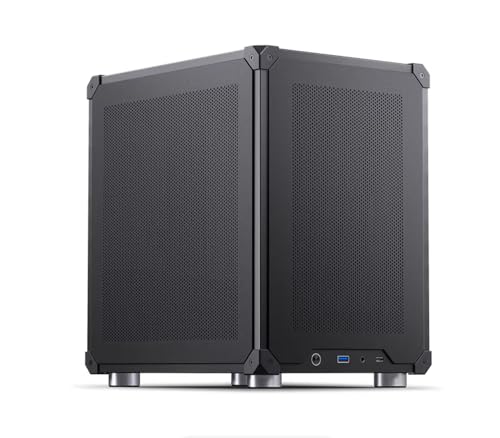
- Pre-installed Ubuntu and browser UI
- Includes vLLM, TensorRT LLM, RAG, OCR
- RTX 5060 Ti 16GB in a compact mini-tower
Best For: Users who want a near turn-key local AI server for private inference and document workflows.
Best Budget Pick for Light Local AI

- 12GB RAM and 512GB SSD for smooth basics
- 15.6-inch FHD IPS screen for everyday use
- Backlit keyboard, fingerprint unlock, and WiFi 6
Best For: Students and light AI hobbyists who want an affordable everyday laptop.
Best for Local LLMs
GMKtec EVO-X2 Ryzen AI Max+ 395 Mini PC

- 16-core Ryzen AI Max+ 395 with strong on-device AI performance
- 64GB LPDDR5X unified memory for larger local models
- USB4, Wi-Fi 7, and quad-display support for versatile setups
Best For: AI-focused buyers who want a compact mini PC for local models, multitasking, and some gaming.
Best Entry-Level
15.6" Pentium Gold 6500Y Laptop

- 16GB RAM for smoother basic multitasking
- 15.6-inch 1080p IPS display
- USB-C, HDMI, Wi‑Fi 5, and Bluetooth 5.0
Best For: Students and office users who need a simple, low-cost laptop for everyday tasks.
Best for Large Local Models
GMKtec EVO-X2 Ryzen AI Max+ 395 Mini PC

- 128GB unified memory for bigger local LLMs
- Ryzen AI Max+ 395 with XDNA 2 NPU
- 2TB SSD, Wi‑Fi 7, USB4, and quad-display output
Best For: Power users who want a compact AI PC for local LLMs, multitasking, and light gaming.
Best Lightweight Starter
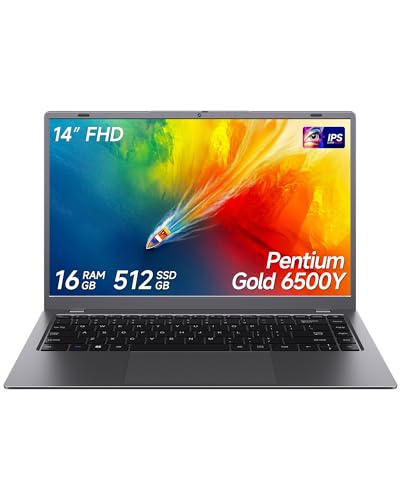
- 16GB RAM and 512GB SSD for everyday multitasking
- 14-inch 1080p IPS display with a portable 1.72 kg build
- USB-C, Wi-Fi 5, and Bluetooth 5.0 for basic connectivity
Best For: Students and office users who want an inexpensive portable laptop for daily tasks and light local AI testing.
Best for On-Device AI
GMKtec EVO-X2 Ryzen AI Max+ 395 Mini PC

- 128GB unified LPDDR5X is ideal for larger local models
- Ryzen AI Max+ 395 adds strong CPU, NPU, and iGPU performance
- USB4, Wi-Fi 7, and 2.5GbE suit a compact workstation
Best For: Users who want a compact, high-memory mini PC for local LLMs and demanding multitasking.
Best with Extra Features
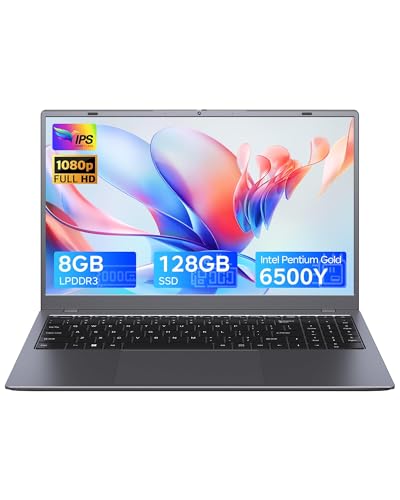
- Low-power Pentium Gold 6500Y for everyday tasks
- 15.6-inch 1080p IPS display
- USB-C, HDMI, Wi-Fi 5, and Bluetooth 5.0
Best For: Students and budget buyers who want an inexpensive laptop for light work and very small local AI experiments.
Best for Fast Setup – Compact Local AI Server with RTX 5060 Ti
If you want a local llm computer under 3000 that is ready to serve models with minimal setup, this compact AI mini PC is built around that idea. It ships with Ubuntu, pre-installed model stacks, browser-based management, and enough GPU muscle to make local chat, RAG, OCR, and embedding workflows practical for small teams or power users.
Best For: Buyers who want a mostly turnkey local AI server for private inference, document search, and model switching without building a system from scratch.
Pros:
- Ready to run in minutes with pre-installed Ubuntu and a browser UI
- Includes useful local AI tools like vLLM, TensorRT LLM, RAG, OCR, and vector DBs
- RTX 5060 Ti 16GB offers a strong balance of price and local model capability
- Compact case with WiFi 7 and mesh airflow for a space-saving setup
Cons:
- Server only, so you must supply your own monitor, keyboard, and mouse
- 16GB VRAM is good for many tasks, but not ideal for the largest models
- It is more of a specialized AI appliance than a general-purpose desktop
For shoppers comparing a local llm computer under 3000, this one stands out for its unusually complete software stack and low-friction setup. It is a strong choice if you value convenience, privacy, and a ready-made local inference workflow more than raw DIY flexibility.
Best Budget Pick for Light Local AI – 15.6" FHD Laptop, 12GB/512GB
If you want a low-cost machine that can handle everyday productivity and some light experimentation, this local llm computer under 3000 is worth a look. The 12GB RAM, 512GB SSD, and N95-class processor should be fine for basic office work, note-taking, browsing, and small local AI tools, but it is not a workstation for demanding model loads.
Best For: Students, remote workers, and hobbyists who want an affordable Windows laptop for light local AI use and daily tasks.
Pros:
- 12GB RAM and a 512GB SSD help with fast boot times and smoother multitasking.
- 15.6-inch FHD IPS display gives you a comfortable workspace for long sessions.
- Backlit keyboard, fingerprint unlock, WiFi 6, and Bluetooth 5.3 add everyday convenience.
- Lightweight 3.5 lb design makes it easy to carry between home, school, and office.
Cons:
- N95 processor is entry-level, so it is limited for heavier local LLM workloads.
- 12GB memory is usable, but still modest for larger models or intense multitasking.
- Not ideal if you need dedicated graphics or sustained performance for AI development.
This is a practical pick if you need a budget-friendly local llm computer under 3000 for light inference, everyday computing, and portability first. If your focus is larger models or faster experimentation, you will want to step up to a stronger CPU and more memory.
Best for Local LLMs – GMKtec EVO-X2 Ryzen AI Max+ 395 Mini PC
If you want a local llm computer under 3000 that can handle serious on-device AI work, the GMKtec EVO-X2 is one of the most capable mini PCs to consider. Its Ryzen AI Max+ 395 chip, 64GB of fast LPDDR5X memory, and strong integrated Radeon graphics make it well suited for running local models in LM Studio and similar tools without needing a separate GPU.
Best For: Buyers who want a compact, high-performance mini PC for local AI models, multitasking, and light gaming.
Pros:
- Ryzen AI Max+ 395 offers 16 Zen 5 cores, strong NPU support, and high-end AI performance.
- 64GB LPDDR5X memory is ideal for larger local models and memory-hungry workflows.
- USB4, Wi-Fi 7, and quad-display support make it versatile for desk setups.
- Powerful integrated graphics also help with FHD gaming and creative apps.
Cons:
- It is a pricey mini PC, so it is not the most budget-friendly choice.
- LPDDR5X memory is onboard, so upgrades are limited compared with standard SODIMM systems.
For shoppers prioritizing AI capability over raw desktop expandability, this is a standout local llm computer under 3000. It delivers the kind of unified memory and integrated performance that can make on-device inference feel much smoother in a compact footprint.
Best Entry-Level – 15.6" Pentium Gold 6500Y Laptop
If you want a basic, affordable machine for everyday work, this 15.6-inch Pentium Gold laptop is a practical pick for a local llm computer under 3000 only if your needs are light. It’s better suited to web apps, documents, streaming, and general school or office tasks than to heavy AI workloads.
Best For: Students, remote workers, and casual users who need a low-cost Windows-style laptop for everyday productivity, not demanding local AI inference.
Pros:
- 16GB RAM helps keep everyday multitasking smoother than many budget laptops
- 15.6-inch 1080p IPS display is a solid size for work and media
- USB-C, HDMI, Wi‑Fi 5, and Bluetooth 5.0 cover the essentials
- Lightweight 1.72 kg design is easy to carry to class or the office
Cons:
- Pentium Gold 6500Y is not powerful enough for serious local LLM use
- 256GB SSD fills up quickly if you store lots of models or media
- 4–5 hour battery life is only average for all-day portability
As a budget everyday laptop, it’s a sensible buy for basic productivity, but shoppers seeking a true local llm computer under 3000 should look for a much stronger CPU, more RAM, and ideally a discrete GPU.
Best for Large Local Models – GMKtec EVO-X2 Ryzen AI Max+ 395 Mini PC
If you want a serious local llm computer under 3000, the GMKtec EVO-X2 stands out for its unusually large 128GB unified memory, Ryzen AI Max+ 395 processor, and fast 2TB SSD. That makes it a strong fit for running bigger models in LM Studio or similar tools without needing a full tower workstation.
Best For: Power users who want a compact AI PC for local LLMs, multi-monitor work, and light-to-moderate gaming.
Pros:
- 128GB LPDDR5X unified memory is ideal for larger local LLM workloads
- Ryzen AI Max+ 395 adds strong CPU performance and an XDNA 2 NPU
- Fast 2TB PCIe 4.0 SSD, Wi‑Fi 7, USB4, and 2.5GbE improve daily usability
- Compact mini PC design with quad-display 8K support
Cons:
- Likely overkill if you only need basic chatbots or small models
- Integrated graphics are strong for an iGPU, but still not a desktop GPU replacement
- Premium specs mean it may use most of a sub-$3000 budget
For buyers prioritizing memory headroom over raw desktop GPU power, this is one of the most compelling local llm computer under 3000 options in a small form factor. It is especially attractive if you want a single machine for AI work, productivity, and occasional gaming.
Best Lightweight Starter – 14" Pentium Gold 6500Y Laptop
If you want a practical local llm computer under 3000 for basic experimentation, this 14-inch laptop is more of a lightweight starter than a heavy-duty AI box. The Pentium Gold 6500Y, 16GB RAM, and 512GB SSD make it a solid fit for everyday productivity, browsing, and very small local models or test workflows.
Best For: Students, business users, and beginners who need an affordable, portable laptop for everyday work and light local AI testing.
Pros:
- 16GB RAM and a 512GB SSD give it a usable baseline for multitasking and file storage.
- 14-inch 1080p IPS display is sharp and comfortable for school or office work.
- Lightweight 1.72 kg build with USB-C and fast charging improves portability.
- Wi-Fi 5, Bluetooth 5.0, and multiple ports cover basic connectivity needs.
Cons:
- Pentium Gold 6500Y is entry-level and not ideal for demanding local LLM workloads.
- 4–5 hour battery life is modest compared with newer ultraportables.
- Integrated graphics and low-power CPU limit performance for heavier multitasking.
For buyers shopping a local llm computer under 3000, this model makes sense only if your priority is portability and general use, not fast model inference. It’s a budget-friendly everyday laptop that can support light experimentation, but serious local AI work will benefit from a much stronger processor.
Best for On-Device AI – GMKtec EVO-X2 Ryzen AI Max+ 395 Mini PC
If you want a local llm computer under 3000 that prioritizes raw AI capability, the GMKtec EVO-X2 is a standout. Its Ryzen AI Max+ 395, 128GB of unified LPDDR5X memory, and fast PCIe 4.0 SSD make it well suited for running larger models locally, while the strong integrated graphics and modern connectivity also keep it flexible for gaming and creator work.
Best For: Buyers who want one compact machine for local LLMs, heavy multitasking, and high-end integrated graphics performance.
Pros:
- Ryzen AI Max+ 395 with XDNA 2 NPU is built for demanding on-device AI workflows.
- 128GB LPDDR5X memory is a major advantage for larger local models and multitasking.
- USB4, Wi-Fi 7, 2.5GbE, and multi-display support make it easy to build a serious workstation.
Cons:
- Premium specs push it toward the top of the budget range.
- Integrated graphics are strong, but still not a substitute for a dedicated high-end GPU.
This is a compelling pick if your priority is running AI workloads locally, because it packs unusually high memory and a top-tier APU into a small chassis. For shoppers comparing a local llm computer under 3000, it stands out as one of the most capable all-in-one mini PC options.
Best with Extra Features – 15.6" Pentium Gold Laptop
If you want a practical local llm computer under 3000 for light experimentation, this 15.6-inch laptop offers a low-power Pentium Gold 6500Y, 8GB RAM, and a Full HD display in a simple, affordable package. It is better suited to basic coding, document work, web apps, and testing small models than to serious high-end inference or training.
Best For: Students, office users, and hobbyists who need a budget-friendly Windows laptop for everyday work and very light local AI tasks.
Pros:
- Low-power 6500Y chip keeps everyday tasks smooth and quiet
- 15.6-inch 1080p IPS screen is easy on the eyes for long sessions
- USB-C, HDMI, Wi-Fi 5, and Bluetooth 5.0 cover the basics
- Lightweight design and fast charging support improve portability
Cons:
- 8GB RAM and 128GB SSD are limiting for larger local LLM setups
- Not a strong choice for heavy multitasking or demanding creative work
- Battery life is modest compared with more efficient ultraportables
As a local llm computer under 3000, this model makes sense only if your expectations stay modest and your workloads are lightweight. For basic productivity and small-scale local AI testing, it is a sensible entry-level pick, but power users should look higher up the stack.
Not for Local LLMs – Getorli Ryzen 7 H 255 Mini PC
This Getorli mini PC is a strong pick for everyday productivity, light creative work, and compact gaming, but it is not a good fit if you need a local llm computer under 3000 for running or deploying large language models. With an 8-core Ryzen 7 H 255, 32GB DDR5, and a 1TB PCIe 4.0 SSD, it delivers fast desktop-style performance in a small footprint.
Best For: Users who want a compact, well-connected mini PC for office work, multitasking, editing, and light gaming—not local LLM deployment.
Pros:
- 8-core Ryzen 7 H 255 offers strong general-purpose CPU performance
- 32GB DDR5 RAM and 1TB PCIe 4.0 SSD provide fast multitasking and storage
- Dual 2.5G LAN, WiFi 6, and quad-display support are great for workstations
- Compact design with cooling built for sustained productivity workloads
Cons:
- Not recommended for locally running or deploying large language models
- No discrete GPU, so heavy AI and advanced 3D workloads are limited
- More of a productivity mini PC than a specialized creator or AI box
For buyers shopping for a local llm computer under 3000, this model should be ruled out because its own product notes warn against LLM use. It is better viewed as a fast, compact all-rounder for office and home setups.
How We Picked the Best Local LLM Computer Under 3000
We prioritized systems that make sense for practical local AI use: higher memory capacity, modern CPU performance, SSD speed, and form factors that fit desktop or compact office setups. For a Local LLM Computer Under 3000, raw benchmark numbers matter, but so do thermals, upgrade paths, and whether the machine can stay responsive during long inference sessions.
Quick Comparison: What Matters Most
Not every buyer needs the same balance. Mini PCs tend to offer better portability and lower power draw, while laptops make sense if you need a self-contained workstation. High-RAM mini PCs are the strongest fit for larger models and multitasking, while more modest laptops are better for lightweight experimentation, prompt testing, coding, and remote access to bigger systems.
Key Buying Factors for a Local LLM Computer Under 3000
Memory First
RAM is usually the biggest limiter for local AI work. If you plan to run larger quantized models, aim for as much memory as your budget allows. For smoother multitasking, 32GB is a strong minimum, while 64GB or more gives you more room for heavier model loads and background apps.
Storage Speed and Capacity
Fast NVMe SSDs reduce load times and help when swapping models, datasets, and logs. A 1TB drive is a safer starting point than 256GB if you expect to keep multiple models locally.
CPU and Cooling
Look for a modern processor with solid sustained performance rather than just peak boost clocks. Stable cooling matters because local inference workloads can run for long periods, and throttling can erase the benefit of a faster chip.
Ports and Connectivity
USB-C, multiple display outputs, and Wi‑Fi 6 or better are helpful for a desktop AI workstation. If you connect external storage, peripherals, or secondary monitors, port selection can affect day-to-day convenience.
Who Should Buy Which Local LLM Computer Under 3000?
If you want the best balance for a Local LLM Computer Under 3000, choose a high-memory mini PC with a fast NVMe drive. If you need portability for coding, demos, or travel, a laptop with enough RAM for light local inference is the better fit. If your goal is the smoothest desktop AI experience and you plan to keep models on-device, prioritize memory over everything else, then choose the form factor that matches your workspace.
In short, buy for your workload first: model size, multitasking needs, and whether you value portability or sustained desktop performance more.
