
A laptop under $1,000 should handle your daily work without making you pay for features you will never use. The right choice depends on whether you need Windows software, a portable Mac, a simple Chromebook, or a larger screen for working at home.
These 10 options cover different budgets and priorities. Before buying, check the exact configuration and current price: several listings start with just 128GB of storage, and similarly named models can have different specifications.
Best 10 Laptops Under 1000 Picks for 2026
Portable Mac Pick

- 2.71-pound aluminum design
- 13-inch Liquid Retina display
- 512GB SSD; up to 16 hours claimed battery life
Best For: Students and iPhone users seeking a lightweight Mac
Everyday Windows Pick
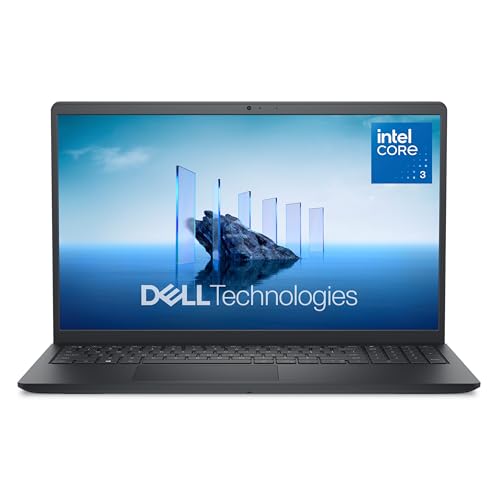
- 15.6-inch matte Full HD display
- 512GB SSD and numeric keypad
- One year of onsite service
Best For: Everyday Windows work on a larger screen
Lightweight 15-Inch Pick

- 15.6-inch Full HD anti-glare screen
- Listed weight of 3.64 pounds
- 256GB SSD and Wi-Fi 6
Best For: Portable everyday work with a full-size screen
Connectivity Pick
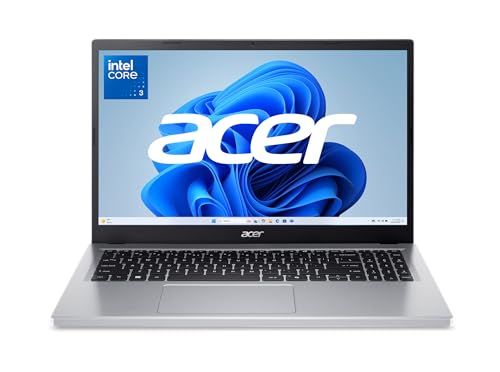
- 15.6-inch Full HD IPS display
- Two full-function USB-C ports
- 128GB UFS; Windows 11 in S mode
Best For: Accessory-heavy setups and everyday computing
Big-Screen Basics
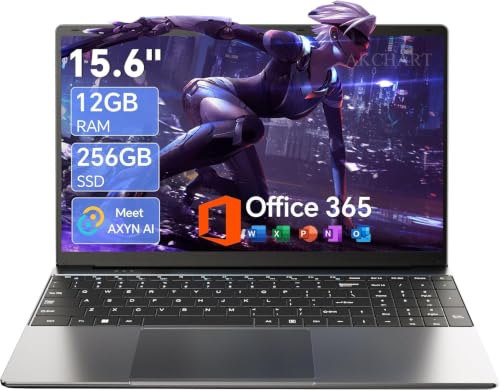
- 15.6-inch Full HD IPS display
- 12GB RAM and 256GB SSD
- Celeron J4105 suits light tasks
Best For: Basic schoolwork and home productivity
Portable Classmate
Lenovo Essential 15.6-Inch Laptop

- 3.42-pound, 0.70-inch design
- Wi-Fi 6 and versatile ports
- 128GB UFS storage is limited
Best For: Students who prioritize portability and connectivity
Ryzen Everyday Pick

- Ryzen 3 7320U and 8GB LPDDR5
- 15.6-inch Full HD IPS screen
- 128GB SSD limits local storage
Best For: Everyday home and student computing
ChromeOS Pick

- Intel N100 with 8GB RAM
- 14-inch anti-glare HD display
- 128GB UFS storage; 3.2 pounds
Best For: Browser-based schoolwork and everyday use
Windows Essentials Pick

- Intel N150 and Windows 11 Home
- One-year Microsoft 365 Personal subscription
- USB-C, HDMI, and SD card reader
Best For: Basic Windows productivity and coursework
Renewed Business Pick

- 11th-gen Core i5 with 16GB RAM
- 14-inch Full HD matte display
- 256GB SSD and Windows 11 Pro
Best For: Office multitasking on a renewed laptop
Portable Mac Pick – Apple MacBook Neo 13-inch
For shoppers comparing laptops under 1000, the MacBook Neo offers a compact 13-inch option for schoolwork and everyday use. Its A18 Pro chip, 512GB SSD, and 2.71-pound aluminum design make it a practical choice if you prefer macOS.
Best For: Students and iPhone users who want a lightweight Mac for assignments, video calls, and daily tasks.
Pros:
- 13-inch Liquid Retina display supports 1 billion colors.
- Up to 16 hours of claimed battery life.
- 1080p FaceTime HD camera, Touch ID, and 512GB SSD.
Cons:
- 8GB unified memory may feel limiting for memory-heavy workloads.
- Smaller screen offers less workspace than the 15.6-inch alternatives here.
Choose this model for portability and the Mac-and-iPhone experience; check its current price against your budget before buying.
Everyday Windows Pick – Dell 15.6-inch Core 3 Laptop
Among laptops under 1000, this Dell is geared toward everyday Windows work: a 15.6-inch Full HD screen, Intel Core 3 100U processor, 8GB RAM, and 512GB SSD cover the basics without a cramped display.
Best For: Home, school, or office users who want a larger screen and a separate numeric keypad.
Pros:
- Matte 1920 x 1080 display with a listed 120Hz refresh rate.
- Roomy keyboard with numeric keypad, calculator hotkey, and lifted hinge.
- 512GB SSD and one year of onsite service for covered hardware issues.
Cons:
- At 4.2 pounds, it is less convenient to carry than lighter options here.
- No touchscreen or fingerprint reader is listed.
This is a sensible desk-to-classroom choice if screen space, storage, and typing comfort matter more than minimum weight.
Lightweight 15-Inch Pick – HP Essential 15.6-inch Laptop
If you want a full-size display while browsing laptops under 1000, the HP Essential pairs a 15.6-inch Full HD anti-glare screen with a listed 3.64-pound weight. Its Intel N100, 8GB RAM, and 256GB SSD are suited to routine documents, classes, and video calls.
Best For: Students and home users who need a portable 15.6-inch Windows laptop for everyday tasks.
Pros:
- Full HD anti-glare display and full-size keyboard with numeric keypad.
- Wi-Fi 6, Bluetooth 5.3, USB-C, USB-A, and HDMI connectivity.
- Listing claims 8+ hours of battery life and includes Microsoft Office 365.
Cons:
- 256GB SSD provides less local storage than the 512GB models here.
- Intel N100 and 8GB RAM are better matched to basic work than demanding applications.
The lighter listed weight is appealing for a 15.6-inch machine; confirm the Office subscription terms and current price before ordering.
Connectivity Pick – Acer Aspire Go 15
The Acer Aspire Go 15 stands out among laptops under 1000 for its connection options: two full-function USB-C ports, two USB-A ports, HDMI 2.1, and Wi-Fi 6. Its 15.6-inch Full HD IPS display and Intel Core 3 N355 target everyday browsing, streaming, and schoolwork.
Best For: Users who want a large-screen laptop with flexible ports for accessories and external displays.
Pros:
- Full HD IPS screen with narrow bezels and Acer BluelightShield.
- Two USB-C ports support DisplayPort output and USB charging.
- 8GB DDR5 memory, Wi-Fi 6, and video-call noise reduction.
Cons:
- 128GB UFS storage is limited for sizable local files.
- Windows 11 Home comes in S mode, which can restrict app installation unless you switch out of it.
Pick this Acer when ports and an IPS display take priority, but plan around its modest onboard storage and S mode.
Big-Screen Basics – AKCHART 15.6-Inch FHD Laptop
Among laptops under 1000, this AKCHART model is geared toward everyday documents, browsing, and classes. It pairs a 15.6-inch Full HD IPS screen with 12GB of RAM and a 256GB SSD, but its Celeron J4105 is a modest processor.
Best For: Students and home users who want a larger screen and basic Windows productivity.
Pros:
- Full HD IPS display with a 180-degree lay-flat hinge.
- 12GB RAM and a 256GB SSD, with stated storage expansion options.
- USB 3.2, Type-C, Mini HDMI, and a headphone jack.
Cons:
- Celeron J4105 is better suited to light tasks than demanding workloads.
- The listing gives battery capacity, not a verified runtime estimate.
Consider it for screen space and routine work rather than performance-heavy software. Confirm the included Microsoft 365 subscription terms before buying.
For shoppers comparing laptops under 1000, this Lenovo Essential emphasizes portability and everyday utility. Its Intel N150 processor, 8GB of memory, and 15.6-inch anti-glare Full HD display fit browsing, assignments, and video calls.
Best For: Students who want a carry-friendly laptop with a full-size screen and useful ports.
Pros:
- Weighs 3.42 pounds and measures 0.70 inch thick.
- Webcam privacy shutter and MIL-STD-810H testing.
- Wi-Fi 6 plus USB-C with Power Delivery and DisplayPort, HDMI, USB-A, and an SD card reader.
Cons:
- 128GB UFS storage leaves limited room for local files.
- Windows 11 Home in S mode may restrict app installation unless you switch out of S mode.
This is a practical pick for connected, day-to-day use; check whether its storage capacity and S mode suit the apps you need.
The Acer Aspire 3 is a straightforward option among laptops under 1000 for home and student use. It combines a Ryzen 3 7320U, 8GB LPDDR5 memory, and a 15.6-inch Full HD IPS screen in a slim design.
Best For: Everyday browsing, school assignments, streaming, and video meetings.
Pros:
- Ryzen 3 7320U quad-core processor with integrated Radeon graphics.
- Full HD IPS display and Wi-Fi 6.
- HD camera with low-light processing and AI noise reduction for calls.
Cons:
- 128GB SSD may fill quickly with large files.
- 8GB onboard memory is listed with an 8GB maximum.
- Listed with Windows 11 S, which can limit app installation unless switched out of S mode.
Its processor and display make sense for routine productivity, while the small SSD and fixed memory are the main reasons to consider another configuration.
ChromeOS Pick – HP Chromebook 14
Among laptops under 1000, this HP Chromebook 14 is a practical choice if your work fits ChromeOS. Its Intel N100 processor, 8GB of RAM, and 128GB of UFS storage cover everyday browsing, streaming, and online tasks.
Best For: Students and casual users who primarily use browser-based apps and want a lightweight Chromebook.
Pros:
- 8GB of RAM offers more room for multitasking than 4GB configurations.
- Anti-glare 14-inch display helps reduce reflections.
- Weighs 3.2 pounds for easy carrying.
Cons:
- 1366 x 768 display is less sharp than a Full HD screen.
- ChromeOS is not the right choice if you need Windows-only software.
Choose this model for straightforward ChromeOS computing; look elsewhere if screen resolution or Windows app compatibility is a priority.
For shoppers comparing laptops under 1000 who need Windows, the HP Essential Laptop 2026 offers an Intel N150 processor, Windows 11 Home, and a one-year Microsoft 365 Personal subscription. Its 14-inch anti-glare screen and broad port selection suit basic schoolwork and home productivity.
Best For: Students and home users who want a portable Windows laptop for documents, calls, and browsing.
Pros:
- Includes a one-year Microsoft 365 Personal subscription.
- USB-C, two USB-A ports, HDMI, and an SD card reader provide flexible connections.
- Wi-Fi 6 and Bluetooth 5.4 support modern wireless accessories.
Cons:
- 4GB of RAM may feel restrictive with many apps or browser tabs open.
- The 1366 x 768 display offers less detail than Full HD.
This is a sensible fit for light Windows tasks, but its limited memory and HD screen make it less appealing for demanding multitasking.
Among laptops under 1000, this renewed Dell Latitude 5420 stands out for its 16GB of RAM, 256GB SSD, and 14-inch Full HD display. Its 11th-generation Core i5 and Windows 11 Pro make it worth considering for everyday business tasks.
Best For: Buyers comfortable with a renewed laptop who want more memory and a sharper screen for work.
Pros:
- 16GB of RAM supports multitasking.
- 1920 x 1080 matte display provides more detail than an HD panel.
- Includes Windows 11 Pro and a 256GB SSD.
Cons:
- Renewed condition may not suit buyers who want a new laptop.
- Listed warranty is only 30 days.
The stronger memory and Full HD screen are compelling for office use, provided you are comfortable with the renewed condition and short listed warranty.
How We Picked the Best Laptops Under 1000
We compared the listed processor, memory, storage, display, operating system, and intended use of each configuration. The selection spans Windows laptops, a MacBook, a Chromebook, and a business laptop, so it is more useful to match features to your needs than to treat every model as interchangeable. We also flagged trade-offs that matter after checkout, particularly 8GB memory, 128GB storage, and the difference between new and potentially refurbished business stock. Prices and configurations can change, so confirm the seller’s exact listing before ordering.
Quick Comparison: Where to Start
For a familiar Windows setup, start with the Dell 15.6, Acer Aspire Go 15, Acer Aspire 3, and Lenovo or HP Essential models, then compare their exact prices and storage. The Aspire 3 lists a Ryzen 3 7320U, while the Dell 15.6 lists a Core 3 100U; do not assume every entry-level Intel processor performs alike. The MacBook Neo is the macOS option if its apps and connectivity suit you. The HP Chromebook 14 is worth considering when most tasks run in a browser. The Latitude 5420 lists 16GB RAM and Windows 11 Pro, but check its condition, battery terms, and seller warranty before choosing it over a new consumer laptop.
Key Buying Factors for Laptops Under 1000
Memory and Storage
For web browsing, documents, and video calls, 8GB RAM is a workable starting point; 12GB or 16GB offers more room for multitasking. Storage deserves equal attention. A 128GB drive can fill quickly after apps, downloads, and updates, so consider 256GB or more if you keep many files locally. Check whether memory or storage is upgradeable rather than assuming it is.
Operating System and Software
Choose Windows when you need specific Windows programs, macOS when your workflow fits Apple’s ecosystem, or ChromeOS when browser-based work covers your needs. Verify that any advertised Office 365 offer includes the subscription length and features you expect. Labels such as “AI ready” or “Copilot AI” do not, by themselves, establish special hardware capabilities.
Screen, Ports, and Ownership Costs
A 15.6-inch FHD screen gives more working space; a 13- or 14-inch model is easier to carry. Look beyond screen size to resolution and panel type: the listed Chromebook has an HD display, while several Windows choices specify FHD. Check the ports required for your monitor and accessories, plus battery warranty, return policy, and any subscription costs.
Who Should Buy Which Laptops Under 1000?
Students and home users who want a full-size screen can compare the 15.6-inch Windows options by final price, processor, and storage. Frequent travelers may prefer the smaller MacBook Neo, Chromebook 14, or Latitude 5420, provided the operating system meets their needs. Browser-first buyers should consider the Chromebook; Windows business users who value 16GB RAM and Pro features should investigate the Latitude’s condition carefully. If local storage is a priority, favor a listed 256GB configuration or verify an upgrade path before buying a 128GB model.
