
Building a better home lab starts with reliable remote access. A good KVM over IP switch lets you troubleshoot BIOS issues, reinstall operating systems, and recover servers without plugging in a local monitor or keyboard.
Below, you’ll find the best options for different setups, from open-source IP KVM devices to traditional multi-port KVM switches with modern video support.
Best 10 Kvm Over Ip Switch for Home Lab Picks for 2026
Best for BIOS-Level Remote Control
GL.iNet Comet GL-RM1 Remote KVM

- BIOS-level remote control for installs and reboots
- 4K@30Hz video with low-latency H.264 encoding
- Tailscale support for internet access to home lab gear
Best For: Home lab users and IT pros who need dependable remote BIOS access and offline troubleshooting.
Best for Multi-PC 4K Switching
HDMI KVM Switch 4 Computers, 4K@60Hz

- Shares one monitor, keyboard, and mouse across 4 PCs
- Supports 4K@60Hz plus EDID emulation for cleaner switching
- Includes hotkeys, mouse gestures, IR control, and auto-scan
Best For: Home lab users who want a simple, stable way to switch between several nearby PCs at one desk.
Best for Open-Source Home Labs
JetKVM IP KVM with Touchscreen

- Open-source, browser-based KVM with no software fees
- Built-in LCD touchscreen for local status monitoring
- Low-latency 1080p/60FPS streaming with BIOS access
Best For: Home lab users and remote admins who want customizable, BIOS-level control.
Best for 2-PC Console Sharing

- 4K@60Hz with EDID emulation
- Four switching methods, including IR
- USB pass-through for extra peripherals
Best For: Home lab users and dual-PC desks that need simple local console sharing.
Best for Wireless Remote Labs
GL.iNet Comet Pro GL-RM10 Remote KVM
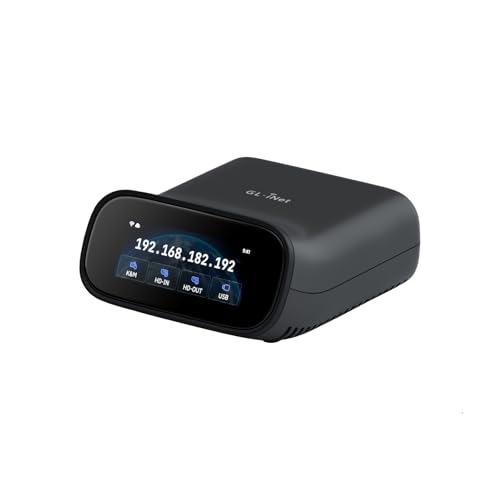
- Wi‑Fi 6 plus wired fallback for flexible home lab networking
- 4K@30FPS passthrough with two-way audio
- Tailscale, self-hosting, and ATX/Fingerbot support for recovery
Best For: Home lab users who want flexible wireless remote access and out-of-band recovery.
Best for Multi-Computer Control
USB-C HDMI KVM Switch for 4 PCs

- Shares one monitor, keyboard, and mouse across 4 computers
- Delivers 4K@60Hz with EDID emulation for stable output
- Offers hotkeys, buttons, mouse gestures, and IR switching
Best For: Home lab builders and multi-PC users who want easy local control with modern video support.
Best for Open-Source Labs
JetKVM IP KVM with LCD Touchscreen

- Open-source Linux/Golang platform with SSH access
- 1080p 60FPS streaming with 30–60ms latency
- Built-in LCD touchscreen and free remote connectivity
Best For: Home lab builders and remote admins who want customizable BIOS-level KVM control.
Best for Easy Desktop Switching
DisplayPort 4K@60Hz KVM Switch for 2 PCs

- 4K@60Hz DisplayPort output
- 4 switching methods plus IR remote
- USB and keyboard/mouse pass-through
Best For: Home lab users who want simple dual-PC sharing with sharp video and flexible switching.
Best for Long-Run Home Lab Links
OREI 1080p KVM Over IP Extender
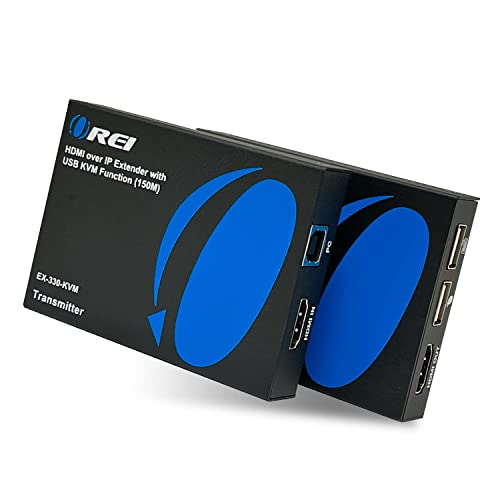
- Single-CAT cable setup for easier installation
- Up to 492 ft range over your home network
- 1080p HDMI with USB keyboard and mouse control
Best For: Home lab users who want simple remote control over long cable runs.
Best USB-C Desk KVM

- Dual USB-C inputs for two computers
- Up to 4K@120Hz HDR output
- Includes 100W USB-C PD charging
Best For: Home-lab builders and desk users who want a simple two-computer USB-C KVM with high-refresh display support.
Best for BIOS-Level Remote Control – GL.iNet Comet GL-RM1 Remote KVM
If you want a kvm over ip switch for home lab use that can handle BIOS access, OS installs, and remote reboots without extra software on the target machine, the GL.iNet Comet (GL-RM1) is built for that workflow. It combines hardware-based control with 4K@30Hz video, low latency, and Tailscale support for access from almost anywhere.
Best For: Home lab users and IT pros who need dependable remote BIOS access, server maintenance, and occasional offline troubleshooting.
Pros:
- Controls power, keyboard, mouse, and video remotely, including BIOS-level tasks
- 4K@30Hz output with low latency and H.264 hardware encoding
- Tailscale support makes remote access easier to manage over the internet
- No software required on the controlled computer
Cons:
- Not the cheapest option for a basic home lab setup
- PD adapters cannot be used, which may limit some power configurations
- More capability than some simple local-only KVM needs
This is a strong fit if you need a kvm over ip switch for home lab tasks where reliability matters more than price. The GL-RM1 is especially useful when you want full remote recovery tools, not just screen viewing.
Best for Multi-PC 4K Switching – HDMI KVM Switch 4 Computers, 4K@60Hz
If you need a practical KVM over IP switch for home lab workflows, this 4-port HDMI KVM is a strong fit for a local multi-PC setup. It lets you share one monitor, keyboard, and mouse across four systems while keeping 4K@60Hz output, EDID emulation, and multiple switching options for smoother day-to-day use.
Best For: Home lab users who want a simple, stable way to manage several nearby PCs from one desk without dealing with drivers or complicated setup.
Pros:
- Handles 4 computers on one monitor with 4K@60Hz support
- EDID emulation helps avoid resolution changes when switching
- Multiple control methods: hotkeys, buttons, mouse gestures, and IR remote
- Useful extras like USB pass-through, auto-scan, and L/R audio out
Cons:
- It is HDMI-based, not a true IP/KVM-over-network device
- IR remote batteries are not included
- Best suited to a local desk setup rather than remote access
For a home lab, this model makes sense when your priority is fast physical switching between machines instead of remote management. If you specifically want a kvm over ip switch for home lab use, you’ll need a networked KVM instead, but for a compact multi-PC workstation this one is straightforward and capable.
Best for Open-Source Home Labs – JetKVM IP KVM with Touchscreen
JetKVM is a practical kvm over ip switch for home lab users who want BIOS-level remote access without paying recurring fees or installing extra software. It combines browser-based control, a built-in touchscreen for at-a-glance status, and low-latency 1080p streaming, making it easier to recover, reinstall, and troubleshoot machines from anywhere.
Best For: Home lab builders, remote admins, and tinkerers who want open-source remote control with flexible power options.
Pros:
- Browser-based remote access with BIOS-level control and no subscription fees
- Built-in LCD touchscreen for local status checks and quick monitoring
- Low-latency 1080p/60FPS streaming helps keep mouse and keyboard control responsive
- Open-source Linux/Golang platform with SSH access and expansion support
Cons:
- Power control accessories may require separate purchases for some setups
- More advanced than basic remote-access tools, so it may be overkill for simple needs
For a kvm over ip switch for home lab work, JetKVM stands out if you value transparency, customization, and remote recovery tools over a plug-and-forget consumer experience. Its open-source approach and free cloud connectivity make it especially appealing for hands-on users who want full control.
Best for 2-PC Console Sharing – HDMI KVM Switch 2-PC 4K60
If you need a practical kvm over ip switch for home lab-style desktop management, this HDMI KVM is a straightforward way to run two computers from one monitor, keyboard, and mouse. It’s a solid pick when you want stable local switching, 4K@60Hz support, and easy setup without extra software or drivers.
Best For: Home lab users, dual-PC desks, and anyone who wants a simple local KVM for sharing one monitor and USB peripherals.
Pros:
- Supports 4K@60Hz with EDID emulation to reduce resolution shifts when switching.
- Offers four switch methods: hotkeys, front buttons, mouse gestures, and IR remote.
- Includes USB pass-through and extra USB connectivity for peripherals like scanners or drives.
- Works with Windows, Linux, and Mac, making it flexible for mixed setups.
Cons:
- Not an actual IP-based KVM, so it won’t provide remote network access.
- Only supports two computers, which may be limiting for larger labs.
- IR batteries are not included.
This is a good fit if your priority is a dependable local KVM rather than true remote management. For a kvm over ip switch for home lab workflows, it works best as a compact console-sharing tool at the desk, not a networked remote-access solution.
Best for Wireless Remote Labs – GL.iNet Comet Pro GL-RM10 Remote KVM
If you want a kvm over ip switch for home lab use with less cable clutter, the GL.iNet Comet Pro is a strong pick. It combines Wi‑Fi 6 connectivity, 4K@30FPS passthrough, and built-in Tailscale support, making it easier to reach BIOS screens, recovery menus, and headless boxes from almost anywhere.
Best For: Home lab users who want flexible wireless remote access, clean wiring, and reliable out-of-band recovery tools.
Pros:
- Wi‑Fi 6 plus wired connectivity helps reduce cabling and avoids a single-point-of-failure setup
- 4K@30FPS passthrough with two-way audio for clear remote viewing and interaction
- Built-in Tailscale and self-hosted cloud support suit privacy-focused home labs
- ATX Board and Fingerbot support for remote power and reset control
Cons:
- ATX Board and Fingerbot accessories are sold separately
- The touchscreen and feature set may be more than basic users need
For a kvm over ip switch for home lab setups that need wireless convenience without giving up disaster-recovery access, the Comet Pro stands out. It’s especially appealing if you value remote BIOS access, secure networking, and a cleaner desk or rack installation.
Best for Multi-Computer Control – USB-C HDMI KVM Switch for 4 PCs
If you want a practical kvm over ip switch for home lab-style desk management, this 4-in-1 KVM is a strong pick for sharing one monitor, keyboard, and mouse across multiple machines. It supports both HDMI and USB-C inputs, 4K@60Hz output, EDID emulation, and several switching methods, so it’s aimed at users who care more about smooth day-to-day control than remote network access.
Best For: Home lab builders, multi-PC users, and anyone who wants a simple shared-workstation setup with modern video support.
Pros:
- Controls 4 computers from one monitor, keyboard, and mouse
- Supports 4K@60Hz plus EDID emulation for stable switching
- Multiple switching options: hotkeys, buttons, mouse gesture, and IR
- Includes extra USB support for peripherals and hot-swap convenience
Cons:
- Not a true networked/IP KVM solution
- IR remote batteries are not included
- Best suited to desk-based setups rather than rack-mounted lab gear
This is a good fit if your version of a kvm over ip switch for home lab is really about fast local switching between several systems at one desk. It won’t replace a remote management appliance, but it does deliver stable, high-resolution control for a compact multi-machine workspace.
Best for Open-Source Labs – JetKVM IP KVM with LCD Touchscreen
If you want a flexible kvm over ip switch for home lab use, JetKVM stands out for its browser-based BIOS access, built-in LCD touchscreen, and fully open-source design. It gives you remote keyboard, video, and mouse control without software installs or ongoing fees, making it a practical choice for managing servers, mini PCs, NAS devices, and test rigs from anywhere.
Best For: Home lab builders and remote admins who want open-source, BIOS-level KVM access with low-latency streaming and built-in power control.
Pros:
- Open-source Linux/Golang platform with SSH access and customization options
- 1080p 60FPS streaming with 30–60ms latency for responsive remote control
- Free remote connectivity features plus VPN and WebRTC/STUN/TURN support
- Built-in LCD touchscreen for quick local status checks
Cons:
- Extension power control is sold separately
- Advanced features may be more than casual users need
- Best value if you actually plan to use the open-source and remote admin features
For a kvm over ip switch for home lab setups where customization, BIOS access, and remote troubleshooting matter most, JetKVM offers a strong mix of features that goes beyond basic remote console hardware. It is especially appealing if you want a device you can adapt as your lab grows.
Best for Easy Desktop Switching – DisplayPort 4K@60Hz KVM Switch for 2 PCs
If you want a practical kvm over ip switch for home lab-style dual-PC control without the complexity of remote networking gear, this DisplayPort KVM is a straightforward way to share one monitor, keyboard, and mouse between two systems. It’s a solid fit for mixed Windows, Linux, and Mac setups, and the 4K@60Hz support keeps the display sharp for everyday work or light content creation.
Best For: Home lab users who want a simple, reliable 2-computer DisplayPort KVM with strong video quality and multiple switching options.
Pros:
- 4K@60Hz output keeps text and UI crisp on compatible monitors.
- Four switching methods, including hotkeys, buttons, mouse gestures, and IR remote.
- USB passthrough and mouse/keyboard pass-through improve compatibility with peripherals.
- Includes two 1.5m cables for a faster out-of-box setup.
Cons:
- Not a true network-based IP KVM, despite the roundup keyword use case.
- Designed for two computers only, so it won’t scale to larger lab racks.
- IR remote batteries are not included.
For a kvm over ip switch for home lab setups that really just need stable local control, this model is appealing because it emphasizes easy switching, broad peripheral support, and high-resolution DisplayPort output rather than advanced remote management.
Best for Long-Run Home Lab Links – OREI 1080p KVM Over IP Extender
If you need a practical kvm over ip switch for home lab use, this OREI extender is built around a simple idea: place the PC where it makes sense, then control it remotely over your home network with a single CAT5e/CAT6A/CAT7 run. It supports 1080p video and USB keyboard/mouse input, making it a straightforward option for managing a server, test bench, or tucked-away desktop from another room.
Best For: Home lab users who want remote keyboard, mouse, and HDMI control over an existing LAN cable run.
Pros:
- Works over a single Ethernet cable, which simplifies installation.
- Supports up to 492 ft for flexible room-to-room setups.
- 1080p output is enough for most admin, monitoring, and troubleshooting tasks.
- USB control for keyboard and mouse keeps everyday remote management easy.
Cons:
- Limited to 1080p, so it is not ideal if you need higher-resolution desktop use.
- Best suited to LAN-based setups rather than advanced enterprise KVM needs.
For a kvm over ip switch for home lab setups that prioritizes reach and simplicity, this OREI unit is appealing if you mainly need dependable remote access rather than premium display features. It fits especially well when you want to manage gear across a house without running a full desktop at the rack.
Best USB-C Desk KVM – MINIX K1 USB-C KVM Switch
If you want a straightforward kvm over ip switch for home lab alternatives that keeps a dual-device desk tidy, the MINIX K1 is a practical USB-C KVM for modern laptops and compact workstations. It focuses on quick source switching, strong display support, and built-in charging rather than remote/IP features, so it fits users who want a simple local control hub.
Best For: Home-lab builders and power users who need a clean USB-C switch for two computers on one monitor.
Pros:
- Dual USB-C inputs make it easy to share one monitor, keyboard, and mouse between two systems.
- Supports up to 4K@120Hz HDR for high-refresh setups, with HDCP compatibility for streaming content.
- 100W USB-C PD passthrough helps reduce charger clutter on a busy desk.
- Front USB-A and USB-C ports are handy for peripherals and temporary device connections.
Cons:
- Requires a separate HDMI 2.1 cable, which is not included.
- Not an IP-based remote KVM, so it won’t suit users needing network access from elsewhere.
- Apple Studio Display support is limited because the switch relies on HDMI input on the monitor side.
The MINIX K1 makes sense if you want a clean, modern desk KVM with strong video specs and charging built in. For a kvm over ip switch for home lab buyer who actually wants local USB-C convenience instead of remote management, it’s a capable and tidy choice.
How We Picked the Best Kvm Over Ip Switch for Home Lab Use
We focused on remote BIOS access, video quality, latency, compatibility, and overall ease of use. For a Kvm Over Ip Switch for Home Lab, the most valuable features are dependable out-of-band control, stable networking, and enough input/output flexibility to match your hardware mix.
We also prioritized models that make sense for real lab environments: support for multiple monitors or ports where needed, EDID handling, USB passthrough, and practical setup options for both beginner and advanced users.
Quick Comparison: What Matters Most
Not every option here serves the same purpose. Some are true IP KVM devices for remote management over a network, while others are local KVM switches that simplify sharing one workspace across multiple systems. Choose based on whether you need remote rescue access, daily workstation switching, or both.
If your priority is emergency access during boot or OS recovery, lean toward IP-based models. If you mainly want to share a monitor, keyboard, and mouse between machines, a traditional 2- or 4-port KVM switch may be the better fit.
Key Buying Factors for Kvm Over Ip Switch for Home Lab
Remote Access Method
Check whether the device uses Ethernet, Wi-Fi, USB-C, or a LAN extender approach. For dependable remote administration, wired networking is usually the safest choice.
Video Resolution and Refresh Rate
Most home lab tasks do fine at 1080p, but 4K support is useful for sharp text and modern systems. If you run high-refresh displays or graphics-heavy rigs, verify refresh-rate support carefully.
BIOS and Pre-Boot Compatibility
Make sure the unit can work before an operating system loads. That is essential for firmware updates, boot-order changes, and recovery work.
USB and Peripheral Support
Look for keyboard, mouse, and storage support if you plan to install operating systems remotely or pass through USB devices.
EDID and Multi-Display Handling
EDID emulation helps prevent display detection problems when switching between machines. This is especially useful in mixed-hardware labs.
Who Should Buy Which Kvm Over Ip Switch for Home Lab?
If you want true remote rescue access, choose an IP KVM device with BIOS-level control and stable network connectivity. If you need a simple desk setup for several PCs, a 2- or 4-port HDMI, DisplayPort, or USB-C KVM switch is usually enough.
For power users, open-source or touchscreen-equipped IP KVM units may offer the best balance of flexibility and control. For general buyers, the simplest option that matches your monitor type, port count, and resolution needs is often the smartest pick.
