
Running local LLMs on a mini PC is now practical if you pick the right mix of CPU, NPU, memory, storage, and cooling. Intel Core Ultra systems bring strong efficiency and AI acceleration in small desktops that can fit a desk, studio, or home lab.
This roundup focuses on intel core ultra mini pcs for local llms, with options ranging from ready-to-run machines to higher-end, expansion-friendly systems for heavier models and multitasking.
Best 10 Intel Core Ultra Mini PCs for Local LLMs Picks for 2026
Best for Local AI Workloads

- 97 TOPS AI performance with NPU + GPU acceleration
- 16GB LPDDR5X and Intel Arc 130V graphics
- Dual M.2 storage, USB4, 2.5G LAN, and WiFi 6E
Best For: People who want a compact Intel Core Ultra mini PC for local AI tasks and heavy multitasking.
Best for Expandability
GMKtec EVO-T1 Core Ultra 9 285H Mini PC

- Core Ultra 9 285H with Intel AI Boost NPU
- 64GB DDR5 and 1TB SSD included
- 3x M.2 slots plus Oculink for upgrades
Best For: Power users who want a compact AI mini PC with strong expansion options.
Best for Light Local LLM Testing
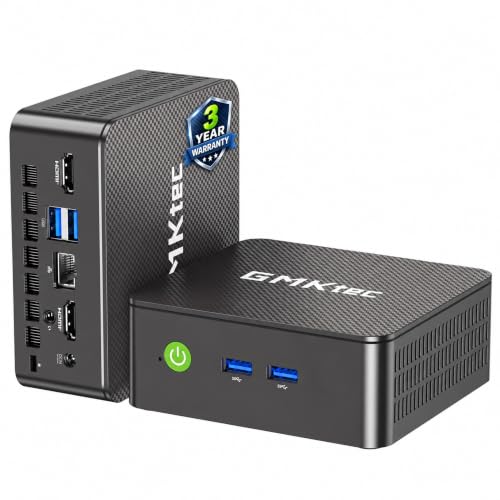
- Affordable entry-level mini PC for office and light multitasking
- 16GB dual-channel RAM and 512GB SSD included
- Dual HDMI, Wi-Fi 6, and 2.5GbE for flexible setups
Best For: Budget buyers who need a small desktop for productivity and only very light local AI testing.
Best for Local LLMs

- Core Ultra 9 285H with 16 cores and 99 TOPS AI performance
- Barebone design supports custom DDR5 and dual PCIe 4.0 SSDs
- OCuLink, dual USB4, Wi‑Fi 7, and 2.5GbE for flexible builds
Best For: Builders who want a compact Intel AI mini PC for local LLMs and future expansion.
Best for Everyday Use
GMKtec AI Mini PC Core Ultra 5 226V
- Core Ultra 5 226V with NPU/GPU AI acceleration
- 16GB LPDDR5X and 512GB SSD for quick responsiveness
- USB4 and triple-4K output support compact workstation setups
Best For: Developers and power users who want a compact mini PC for local LLMs and productivity.
Best for Comfort
MINISFORUM M2-356H Core Ultra 7 Mini PC

- 50 TOPS NPU for local AI workloads
- 32GB DDR5 with up to 128GB upgrade support
- Dual 2.5G LAN, Wi-Fi 7, and 4K triple-display output
Best For: Users who want a compact AI-ready mini PC for local model experimentation and everyday productivity.
Best for Quiet Local AI Workloads

- Core Ultra 9 185H with NPU/GPU help for local AI tasks
- Dual 2.5GbE, Wi‑Fi 7, and quad-display output
- Quiet cooling plus a 3-year warranty for long-term use
Best For: Developers and power users who want a quiet, compact mini PC for local AI tasks and multitasking.
Best Balanced Mini PC
GMKtec M3 Pro i5-13500H Mini PC

- 12-core / 16-thread Intel i5-13500H
- 32GB RAM + 1TB NVMe SSD included
- Triple 4K display support
Best For: Users who want a compact, well-equipped mini PC for office work and light local AI testing.
Best for Quiet AI Workloads

- Intel Core Ultra 9 185H for local AI tasks
- Quiet 65W cooling for long work sessions
- Dual 2.5GbE, Wi‑Fi 7, and quad-display support
Best For: Developers and power users who want a quiet mini PC for local LLMs and productivity.
Best for Local AI Workloads – GMKtec K17 AI Mini PC
The GMKtec K17 is a strong pick for buyers comparing intel core ultra mini pcs for local llms, thanks to its Core Ultra 5 226V chip, 97 TOPS of total AI performance, and fast LPDDR5X memory. It is aimed at people who want a compact machine that can run AI assistants, inference tools, and everyday productivity without relying on cloud-first workflows.
Best For: Users who want a compact Intel Core Ultra mini PC for local AI tasks, multitasking, and storage-heavy workflows.
Pros:
- 97 TOPS AI design with NPU + GPU acceleration for local AI workloads
- Fast 16GB LPDDR5X 8533MT/s memory for smoother model loading and multitasking
- Dual M.2 slots with room for up to 16TB of SSD storage
- USB4, 2.5G LAN, WiFi 6E, and triple-display output up to 8K
Cons:
- 16GB RAM may feel limiting for larger local LLMs
- Storage expansion is great, but memory is onboard and not easily upgraded
- More expensive than basic mini PCs without AI-focused hardware
For intel core ultra mini pcs for local llms, the K17 stands out if you care more about AI acceleration, fast storage expansion, and modern connectivity than raw desktop-class upgradeability. It is a practical compact option for local inference and mixed-use workflows.
Best for Expandability – GMKtec EVO-T1 Core Ultra 9 285H Mini PC
If you want one of the most flexible intel core ultra mini pcs for local llms, the GMKtec EVO-T1 stands out for its Core Ultra 9 285H, 64GB of DDR5, and unusually strong storage expansion. It gives you a capable base for running smaller local models, multitasking, and keeping room to grow with more SSD capacity or an eGPU later on.
Best For: Developers, power users, and AI hobbyists who want a compact mini PC with lots of upgrade headroom.
Pros:
- Core Ultra 9 285H with a built-in NPU helps offload AI workloads.
- 64GB DDR5 and a 1TB SSD make it ready for heavy multitasking.
- Three M.2 slots plus Oculink offer rare expandability for a mini PC.
- 4-screen support is useful for dashboards, coding, and creator workflows.
Cons:
- Integrated graphics are good for light gaming, but not a replacement for a strong discrete GPU.
- Local LLM performance will still depend on model size, cooling, and memory use.
This is a strong choice if you want intel core ultra mini pcs for local llms and care more about upgrade options and versatility than raw workstation-class AI throughput.
Best for Light Local LLM Testing – GMKtec G3 PRO Mini PC
If you want a low-cost starter box for trying intel core ultra mini pcs for local llms workflows, the GMKtec G3 PRO is more of an entry-level option than a true AI workstation. Its Core i3-10110U, 16GB of dual-channel RAM, and 512GB SSD are fine for basic multitasking, light coding, and small model experiments, but it is not the right pick for serious on-device LLM inference.
Best For: Buyers who need an affordable mini PC for office work first, with only light local AI testing on the side.
Pros:
- 16GB dual-channel RAM and 512GB SSD are decent for everyday multitasking.
- Dual HDMI, Wi-Fi 6, Bluetooth 5.2, and 2.5GbE make it versatile for desktop or server-style use.
- Compact, quiet-focused design with updated cooling for better sustained operation.
Cons:
- Core i3-10110U is far below the CPU/GPU class usually wanted for local LLMs.
- No modern AI-focused hardware like a high-end NPU or discrete GPU.
- Storage and memory are adequate, but not ideal for larger models or heavier context windows.
This is a practical budget mini PC for general productivity, but anyone shopping intel core ultra mini pcs for local llms should treat it as a baseline system rather than a performance pick.
Best for Local AI Expansion – MINISFORUM MS-02 Ultra Workstation Mini PC
If you want an ultra-compact workstation that can grow with your AI stack, the MS-02 Ultra stands out in the intel core ultra mini pcs for local llms category. Its Core Ultra 5 235HX, 4x DDR5 slots, PCIe 5.0 x16 expansion, and fast USB4 networking make it a strong base for local inference, data prep, and GPU-assisted workloads.
Best For: Builders who want a compact Intel AI workstation with serious upgrade headroom for local LLM experiments, homelab use, and accelerated workflows.
Pros:
- PCIe 5.0 x16 slot opens the door to desktop-class GPU acceleration.
- 4 DDR5 SODIMM slots support up to 256GB for heavier local models and multitasking.
- 10GbE, 2.5GbE, and Wi-Fi 7 make it easy to move data fast across a lab or NAS.
- USB4 v2 and triple-display support fit advanced workstation setups.
Cons:
- Barebone configuration means you must add RAM, SSD, and an OS.
- The small chassis is powerful, but serious training workloads will still depend on a discrete GPU.
- Premium expandability comes at a higher buy-in than simpler mini PCs.
For buyers comparing intel core ultra mini pcs for local llms, this is less about out-of-box simplicity and more about creating a flexible mini workstation that can scale as your model and storage needs grow. If you want a compact platform with real upgrade paths, it is one of the most compelling options in the group.
Best for Local LLMs – MINISFORUM M1 Pro AI Mini PC
If you want one of the more capable intel core ultra mini pcs for local llms, the MINISFORUM M1 Pro stands out for its Core Ultra 9 285H, strong integrated Arc 140T graphics, and 99 TOPS of combined AI performance. It is a barebone system, so you can tune memory and storage to match your model size, workflow, and budget.
Best For: Builders who want a compact Intel AI mini PC for running local LLMs, light content creation, and expandable storage/networking.
Pros:
- Core Ultra 9 285H with 16 cores for strong general-purpose and AI workloads
- 99 TOPS combined AI performance with Intel Arc 140T graphics and NPU acceleration
- Dual M.2 PCIe 4.0 slots, DDR5-6400 support, and OCuLink for expansion
- Wi-Fi 7, 2.5GbE, and dual USB4 ports for fast connectivity and peripherals
Cons:
- Barebone configuration means you must add RAM, SSD, and operating system
- Integrated graphics are good for AI acceleration, but not a replacement for a high-end discrete GPU
For buyers comparing intel core ultra mini pcs for local llms, this model is attractive because it mixes modern AI-focused silicon with practical expandability. It is especially appealing if you want a small footprint now but may add storage, memory, or even external GPU support later.
Best for Everyday Use – GMKtec AI Mini PC Core Ultra 5 226V
If you want one of the more capable intel core ultra mini pcs for local llms, this GMKtec model stands out for its Core Ultra 5 226V chip, built-in NPU, and Intel Arc 130V graphics. It’s aimed at users who want to run lightweight local AI models, coding tools, and multitasking workloads without relying on the cloud, while still keeping the footprint small.
Best For: Developers, power users, and privacy-minded buyers who want a compact AI mini PC for local LLMs and everyday productivity.
Pros:
- Core Ultra 5 226V plus NPU/GPU AI acceleration for local inference and productivity tasks
- Fast 16GB LPDDR5X memory and 512GB SSD for responsive multitasking
- USB4 and triple-4K display support make it flexible as a compact workstation
- Intel Arc 130V graphics add stronger integrated gaming and media capabilities
Cons:
- 16GB RAM may feel tight for larger local LLMs or heavier multitasking
- 512GB storage is modest if you plan to keep multiple models or large datasets locally
- Integrated graphics won’t replace a discrete GPU for demanding AI or gaming workloads
For buyers comparing intel core ultra mini pcs for local llms, this is a practical middle-ground option: strong enough for everyday on-device AI experiments and general use, but still compact and power-efficient.
Best for Comfort – MINISFORUM M2-356H Core Ultra 7 Mini PC
If you want one of the more capable intel core ultra mini pcs for local llms without moving into a full desktop tower, the MINISFORUM M2-356H is a strong fit. Its Core Ultra 7 chip pairs with a built-in 50 TOPS NPU, 32GB of DDR5 memory, and fast dual-NVMe expansion, giving you a compact system that can handle on-device AI tasks, multitasking, and everyday productivity with ease.
Best For: Users who want a compact AI-ready mini PC for local model experimentation, light creative work, and fast daily computing.
Pros:
- 50 TOPS NPU helps support stable local LLM workloads and AI features
- 32GB DDR5 RAM with room to expand up to 128GB
- Two PCIe 4.0 M.2 slots for flexible, high-speed storage expansion
- Dual 2.5G LAN, Wi-Fi 7, and triple 4K display support improve versatility
Cons:
- Not intended for heavy-duty LLM training or workstation-class AI jobs
- Integrated graphics are good for light creative work, but not a discrete GPU replacement
- Higher-spec features may cost more than basic mini PCs
For buyers comparing intel core ultra mini pcs for local llms, this model stands out for balancing NPU-assisted AI capability, upgrade-friendly memory and storage, and strong connectivity in a small chassis. It is a practical choice if you want local inference support without sacrificing everyday usability.
Best for Quiet Local AI Workloads – GEEKOM IT13 MAX AI Mini PC
If you want one of the more capable intel core ultra mini pcs for local llms, the GEEKOM IT13 MAX is built around the Core Ultra 9 185H and a 65W design that favors sustained performance. It’s a practical pick for developers, engineers, and creators who want a compact Windows 11 Pro or Linux-ready machine for local inference, coding, and mixed productivity work without cloud dependence.
Best For: Developers and power users who want a quiet, compact mini PC for local AI tasks, multitasking, and light content creation.
Pros:
- Core Ultra 9 185H offers strong CPU, GPU, and NPU acceleration for local AI workloads
- Dual 2.5GbE, Wi‑Fi 7, and quad-display support make it flexible for pro setups
- Quiet cooling and 3-year warranty suit offices, labs, and long-term use
- Upgradeable RAM and SSD let you scale beyond the base config
Cons:
- 16GB RAM is fine for starters, but local LLM work will likely need an upgrade
- The 1TB SSD is decent, yet model storage can grow fast with AI projects
- Not a desktop GPU replacement for heavy training or large-scale inference
As a compact workstation, this GEEKOM hits a strong middle ground for intel core ultra mini pcs for local llms: enough built-in AI hardware to be useful, plus the ports, networking, and upgrade path that make it easier to live with day to day.
Best Balanced Mini PC – GMKtec M3 Pro i5-13500H Mini PC
The GMKtec M3 Pro is a practical choice if you want a compact Windows mini desktop that can handle everyday productivity, multitasking, and light creative work without overpaying for a higher-end chip. For buyers comparing intel core ultra mini pcs for local llms, it offers a respectable amount of RAM and fast storage, but its Core i5-13500H class hardware is better suited to smaller models and general AI experimentation than heavy local inference.
Best For: Users who want a compact, well-equipped mini PC for office work, multitasking, and light local AI testing.
Pros:
- 12-core / 16-thread Intel Core i5-13500H delivers solid everyday responsiveness
- 32GB RAM and 1TB NVMe SSD provide a strong starting point for multitasking
- Triple 4K display support is great for productivity setups
- 2.5G Ethernet plus WiFi 6 improve wired and wireless connectivity
Cons:
- Integrated graphics limit it for demanding GPU-accelerated workloads
- Not as capable as higher-tier Intel Core Ultra mini PCs for larger local LLMs
Overall, the M3 Pro is a smart middle-ground option: fast enough for daily work and light AI tasks, but still affordable and compact. If your goal is to explore intel core ultra mini pcs for local llms without jumping straight into a pricier class of system, this is a sensible stepping-stone.
Best for Quiet AI Workloads – GEEKOM IT13 MAX AI Mini PC
If you’re comparing intel core ultra mini pcs for local llms, the GEEKOM IT13 MAX stands out for its Intel Core Ultra 9 185H chip, 65W sustained power, and quiet cooling. It’s a practical pick if you want a compact box that can handle local AI inference, development tasks, and everyday creator work without the noise or space demands of a full tower.
Best For: Developers, engineers, and power users who want a quiet mini PC for local LLMs, coding, and multitasking.
Pros:
- Intel Core Ultra 9 185H with strong AI-oriented performance for local workloads
- Quiet 65W cooling design that’s better suited to shared or long-session use
- Dual 2.5GbE, Wi‑Fi 7, and quad-display support add real workstation flexibility
- Windows 11 Pro plus Linux support makes it easy to adapt for dev and homelab setups
Cons:
- 16GB RAM may feel limiting for larger local LLMs and heavier multitasking
- Better suited to inference and productivity than serious model training
- Premium features raise the price versus simpler mini PCs
This is a strong fit if you want intel core ultra mini pcs for local llms and also need a quiet, compact machine for coding, media work, and always-on desktop use.
How We Picked the Best Intel Core Ultra Mini PCs for Local LLMs
We prioritized Intel Core Ultra mini PCs with enough CPU headroom, modern integrated graphics or AI acceleration, and sensible upgrade paths for local inference. For local LLM use, memory capacity, SSD speed, thermals, and I/O matter just as much as raw processor specs.
We also weighed whether each system is better suited to lightweight chat models, mid-size quantized models, or more demanding workstation-style workloads.
Quick Comparison
In this group, the best all-around choices are the Core Ultra 7 and Core Ultra 9 systems with 32GB to 64GB of RAM and fast NVMe storage. Barebone models can be ideal if you want to install your own memory and SSDs, while entry-level options are better for experimentation, small models, or general desktop use.
If you expect to run larger context windows, multiple tools at once, or several AI apps simultaneously, prioritize higher memory ceilings and stronger cooling over the smallest chassis.
Key Buying Factors for Intel Core Ultra Mini PCs for Local LLMs
Memory Capacity
For local LLMs, RAM is often the first bottleneck. 16GB is workable for light use, but 32GB is a much safer starting point, and 64GB is better if you want more flexibility with larger quantized models or multitasking.
Storage and Expansion
Fast PCIe NVMe storage helps with model loading, dataset handling, and general responsiveness. Multiple M.2 slots, barebone configurations, or external high-speed connectivity can make a big difference if you plan to keep several models locally.
Thermals and Power Limits
Intel Core Ultra chips can perform well in compact systems, but sustained LLM workloads generate heat. Look for larger cooling designs, workstation-style enclosures, or higher power budgets if you expect long inference sessions.
Connectivity and Display Support
USB4, 2.5GbE or 10GbE, and multi-display support are especially useful if your mini PC will serve as a compact AI node, dev box, or lab machine. Network speed matters if you move models or datasets frequently.
Integrated AI Features
The NPU and modern Intel graphics can help with certain AI workflows, but they do not replace enough RAM and good thermals. Treat them as helpful accelerators, not substitutes for core system capacity.
Who Should Buy Which Intel Core Ultra Mini PCs for Local LLMs?
If you want the easiest path, choose a prebuilt Core Ultra mini PC with 32GB or more RAM and a 1TB SSD. If you want maximum flexibility, a barebone model is a better fit because you can size the memory and storage to your workload.
Budget-minded buyers should look at entry Core Ultra or non-Ultra systems for lighter models and everyday use. Power users building a compact local AI workstation should focus on Core Ultra 9 or HX-class machines with strong cooling, higher memory limits, and more expansion options.
