
A capable enclosure can make 3D printing cleaner, quieter, and more consistent while helping manage drafts, dust, odors, and temperature changes. The right choice depends on your printer, materials, workspace, and ventilation setup.
We compared ten enclosure options ranging from fitted covers and DIY kits to large-format acrylic systems and storage cabinets, with attention to compatibility, airflow, safety features, and everyday usability.
Best 10 High-Performance 3D Printer Enclosures Picks for 2026
Best Overall
SainSmart x WonderMaker ZR Enclosure
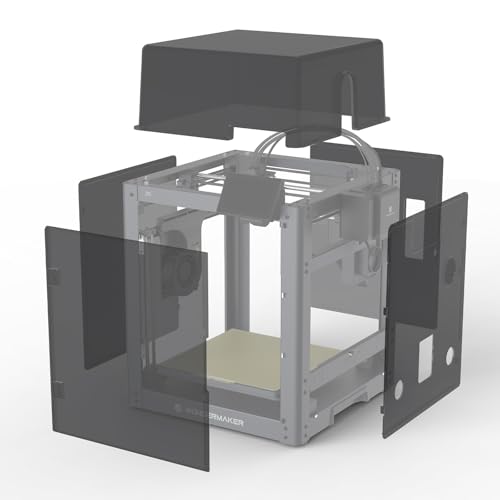
- Stable heat for ABS, ASA, and PETG-CF
- Built-in replaceable air filtration
- Noise reduction to 46 dB in Silent Mode
Best For: ZR printer owners wanting filtration and temperature control
Best Large-Format Pick

- Designed for seamless Prusa XL integration
- Supports printing with certain materials
- Includes lifetime technical assistance
Best For: Prusa XL owners needing a full-size integrated enclosure
Best DIY Design
FLASHFORGE Adventurer 5M Enclosure
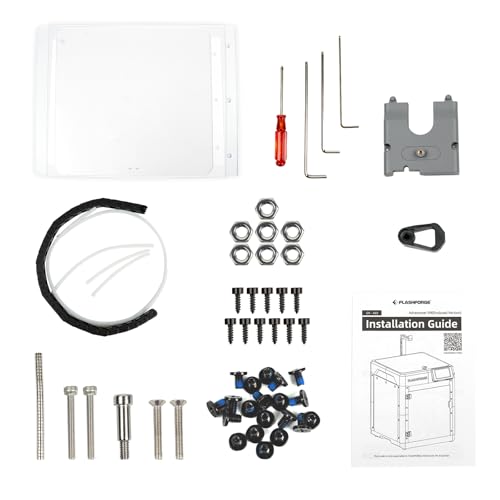
- Customizable DIY exterior design
- Supports ASA and PC filaments
- Reduces noise from 65 dB to 55 dB
Best For: Adventurer 5M users wanting customization and odor isolation
Best Cooling System
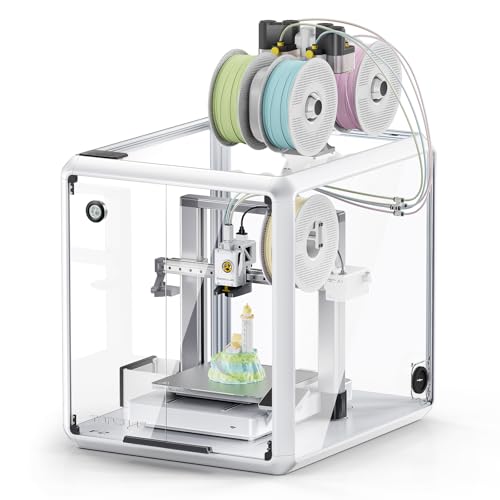
- Active-cooling load-bearing base
- Transparent panels with integrated LED light
- Enclosed design helps contain particles and odors
Best For: Bambu Lab A1 users prioritizing cooling and visibility
Best for Large-Format Setups
Oversized Ventilated 3D Printer Enclosure

- Fits a large printer or multiple smaller machines
- Insulated, sealed design supports steadier printing
- Ventilation kit must be purchased separately
Best For: Large-format and multi-printer workspaces
Best Dedicated Fit
TOPCUBE A1 3D Printer Enclosure

- Purpose-built for the Bambu Lab A1 with AMS Lite
- Keeps tested internal temperature below 40°C
- Adds LED lighting, dust protection, and noise isolation
Best For: Bambu Lab A1 owners
Best Custom Build
Sumo Prusa XL Acrylic Enclosure Kit
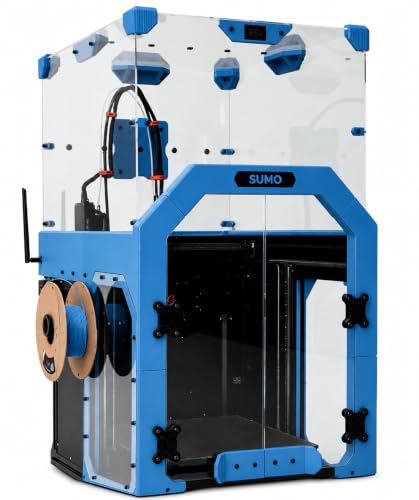
- Includes acrylic panels, hardware, rods, magnets, and hygrometer
- Compact design keeps the Prusa XL accessible
- Printed connectors and accessories are not included
Best For: Prusa XL makers who want a modular DIY enclosure
Best Value Tent
Creality Fireproof 3D Printer Enclosure

- Flame-resistant, dust-protective enclosure
- Supports a steadier printing environment
- Folds for storage and portability
Best For: Budget-conscious Creality printer owners needing a portable enclosure
Best Organized Cabinet
Crafit 3D Printer Enclosure Cabinet
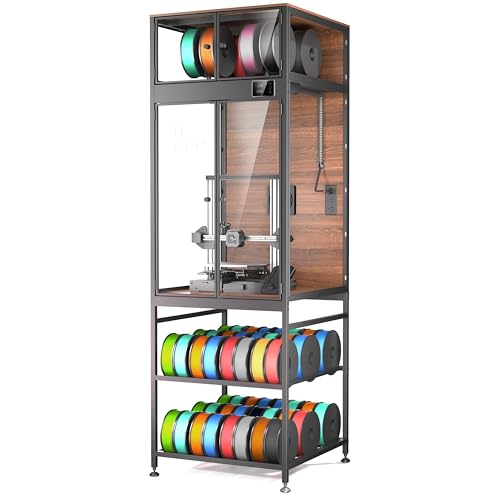
- Holds up to 48 filament spools
- Heavy-duty frame helps dampen vibration
- Includes LED lighting and manual ventilation
Best For: Multi-color and high-speed printing workstations
Best Overall – SainSmart x WonderMaker ZR Enclosure
For users seeking high-performance 3D printer enclosures, the SainSmart x WonderMaker ZR kit combines temperature stability, air filtration, and convenient printer access in a custom-fit design. It is built to support materials such as ABS, ASA, and PETG-CF while also reducing printing noise.
Best For: Home studios, classrooms, and workshops using a ZR printer with temperature-sensitive filaments.
Pros:
- Helps maintain consistent heat for ABS, ASA, and PETG-CF printing.
- Built-in filtration fan and replaceable filter module help remove odors and fine airborne particles.
- Reduces operating noise to as low as 46 dB in Silent Mode.
- Magnetic top cover and front door provide convenient access without special tools.
Cons:
- Custom-fitted specifically for the ZR printer.
- Filter modules require replacement over time.
This is a well-rounded enclosure for buyers who want quieter operation, filtration, and better environmental control in one purpose-built kit.
Best Large-Format Pick – Original Prusa XL Enclosure
The Original Prusa XL Enclosure is a purpose-built option for large-format printing and seamless printer integration. Among high-performance 3D printer enclosures, it stands out for its large footprint, complete kit contents, and manufacturer-backed support.
Best For: Original Prusa XL owners who want an integrated enclosure for large-format printing.
Pros:
- Designed specifically for seamless integration with the Prusa XL.
- Can make printing with certain materials easier.
- Package includes the required plastic parts, so nothing needs to be printed separately.
- Includes lifetime technical assistance and 24-hour professional customer service from Prusa Research.
Cons:
- Ships disassembled as a kit.
- Its 30.4-pound weight and large dimensions require substantial setup space.
Choose this enclosure when printer integration and manufacturer support matter more than a compact footprint; it is tailored to the scale of the Prusa XL.
Best DIY Design – FLASHFORGE Adventurer 5M Enclosure
The FLASHFORGE Adventurer 5M enclosure kit offers a customizable DIY approach for users who want high-performance 3D printer enclosures with noise reduction, odor isolation, and support for high-temperature materials. Its design is aimed at making the printer more suitable for home and office environments.
Best For: Adventurer 5M users who want a customizable enclosure for ASA, PC, ABS, or similar materials.
Pros:
- Supports high-temperature filaments such as ASA and PC.
- Reduces stated printing noise from 65 dB to 55 dB.
- Helps isolate odors from materials including ABS and ASA.
- Protects users and the printer from accidental contact and dust accumulation.
Cons:
- DIY design may require more hands-on assembly than a prebuilt enclosure.
- Designed for the FLASHFORGE Adventurer 5M, limiting compatibility with other printers.
This kit is a practical match for Adventurer 5M owners who value personalization and a quieter, more contained printing setup.
Best Cooling System – TOPCUBE F2 A1 Enclosure
The TOPCUBE F2 is a feature-rich choice among high-performance 3D printer enclosures for the Bambu Lab A1 or A1 Combo. Its active-cooling base, transparent acrylic panels, lighting, and centralized controls are designed to support monitoring and stable operation.
Best For: Bambu Lab A1 and A1 Combo users who want active cooling, visibility, and family-friendly protection.
Pros:
- Active cooling helps dissipate heat from the printer and mainboard.
- Fully enclosed structure helps protect children and pets from accidental contact.
- 360-degree transparent acrylic design, integrated LED lighting, and top-mounted controls improve monitoring.
- Can help contain particles and odors, with optional window exhaust components sold separately.
Cons:
- Designed for the Bambu Lab A1/A1 Combo rather than general printer compatibility.
- Window exhaust fan and pipe are sold separately.
- At 28.1 pounds, it is less portable than a lightweight fabric-style enclosure.
This is a strong choice for A1 users who prioritize active thermal management and clear visibility, especially in a household setting.
Best for Large-Format Setups – Oversized Ventilated 3D Printer Enclosure
For users comparing high-performance 3D printer enclosures for large-format or multi-printer setups, this oversized cover provides substantial enclosed workspace, thermal insulation, and sealed access points. Its 800 × 1000 × 1200 mm interior can accommodate a large printer or several smaller machines, although the separate ventilation kit must be purchased independently.
Best For: Large-format printers, multiple FDM or resin printers, and users who need flexible printer placement.
Pros:
- Extra-large interior supports large printers or 2–4 smaller machines.
- Sealed openings and airtight zippers help contain odors and particles.
- Warming layer can help reduce warping, cracking, and nozzle clogging.
- Includes a lighting bar, viewing window, and dual-side access.
Cons:
- The 4-inch ventilation kit is not included and must be ordered separately.
- Its 47.2-inch height and large footprint require considerable room.
- Assembly is easier with a second person.
This is the most adaptable option for a demanding multi-printer workspace, particularly when temperature stability and odor containment matter. Confirm your available countertop and room space before buying, and budget for the separate exhaust kit.
Best Dedicated Fit – TOPCUBE A1 3D Printer Enclosure
For Bambu Lab A1 owners seeking high-performance 3D printer enclosures, the TOPCUBE combines a model-specific fit with temperature control, lighting, and noise reduction. It is designed around the A1 Combo with AMS Lite, so carefully verify compatibility and dimensions before using it with another printer.
Best For: Bambu Lab A1 users who want a quick-install enclosure with visibility, dust protection, and quieter operation.
Pros:
- Designed specifically for the Bambu Lab A1 with AMS Lite.
- Tested internal temperature stays below 40°C to help protect the printer motherboard.
- Large observation window and integrated LED strip improve monitoring.
- Fire-resistant materials and enclosed construction help limit dust and noise.
Cons:
- Its model-specific dimensions may not suit other printers.
- It is less appropriate for oversized or multi-printer setups.
- Temperature and humidity control are provided by the enclosure environment, not an active climate-control system.
This is a practical, low-fuss choice when you own the intended Bambu Lab A1 setup. Its five-minute installation and integrated LED make everyday monitoring convenient, while the enclosed structure adds useful dust and noise isolation.
Best Custom Build – Sumo Prusa XL Acrylic Enclosure Kit
For makers who prefer a tailored solution among high-performance 3D printer enclosures, this Prusa XL kit provides the core hardware for a compact clear acrylic enclosure. It includes panels, magnets, fasteners, hex rods, and a hygrometer, but printed connectors and accessories are required and are not included.
Best For: Prusa XL owners comfortable printing parts and customizing a modular enclosure.
Pros:
- Clear acrylic panels provide strong visibility of the print.
- Includes a hygrometer for monitoring temperature and humidity.
- Space-efficient design preserves access without greatly expanding the printer footprint.
- Removable upper chamber simplifies maintenance and troubleshooting.
Cons:
- Printed parts are not included and must be made separately.
- Assembly requires additional printing, customization, and setup work.
- It is designed for the Prusa XL rather than general-purpose compatibility.
This kit suits technically confident Prusa XL users who want control over filament colors, connectors, and accessories. It is less convenient than a ready-to-use enclosure, but its modular design and included hygrometer make it a flexible foundation for a customized workspace.
Best Value Tent – Creality Fireproof 3D Printer Enclosure
For shoppers seeking high-performance 3D printer enclosures on a budget, this folding tent focuses on temperature stability, dust protection, and broad compatibility. Its 18.89 x 23.62 x 28.34-inch storage area suits several Creality, Anycubic, and ELEGOO models, but measure your printer before ordering.
Best For: Creality Ender owners who want a portable enclosure for steadier printing with higher-temperature filaments.
Pros:
- Passed a flame-resistance test and uses flame-retardant materials with an aluminum-film interior.
- Helps maintain a more consistent printing environment and can support bed adhesion with high-temperature filaments.
- Folding design, glass-fiber rod frame, observation panels, and tool pockets make it portable and practical.
Cons:
- Its compatibility depends on the listed enclosure dimensions and your printer setup.
- The tent-style construction may provide less rigid support than a cabinet enclosure.
This is a sensible choice when you want core enclosure benefits without the size and weight of a full cabinet. It weighs only 3.5 pounds and folds for storage, making it especially useful for flexible workspaces.
Best Organized Cabinet – Crafit 3D Printer Enclosure Cabinet
This Crafit cabinet is one of the most feature-rich high-performance 3D printer enclosures in the lineup, combining a heavy-duty frame with ventilation, lighting, and extensive filament storage. Its interior is designed for printers up to 21.6 inches wide, 22 inches deep, and 28.7 inches high, so confirm your machine’s dimensions first.
Best For: Multi-filament users and high-speed printing setups that need stability, monitoring, storage, and controlled ventilation.
Pros:
- Carbon-steel frame and rigid composite walls provide a stable, draft-shielded foundation and are designed to reduce noise by up to 40%.
- Stores up to 48 standard filament spools, with a top compartment for up to eight spools and feed-through ports for four filaments.
- Includes interior LED lighting, PET viewing panels, and a manually controlled high-flow fan.
Cons:
- At 66 pounds and 70 inches tall, it requires substantial floor space and is not especially portable.
- Manual ventilation control requires you to decide when to purge fumes or preserve the internal climate.
Choose this cabinet if organization and a stable, quieter workspace matter as much as printer coverage. Its large footprint is the tradeoff for integrated storage and a more substantial enclosure design.
Best Feature-Rich Cover – YOOPAI Ventilated 3D Printer Enclosure
The YOOPAI enclosure adds useful monitoring and lighting to a lightweight, six-sided cover, making it a practical option among high-performance 3D printer enclosures. It supports printers smaller than 21.6 x 25.6 x 29.5 inches, including many Creality, ELEGOO, Anycubic, and AnkerMake models.
Best For: Home users who want temperature and humidity monitoring, LED illumination, noise isolation, and quick installation.
Pros:
- Built-in LED lighting improves visibility for spotting jams, adhesion issues, and misalignments.
- Temperature and humidity monitoring helps you track printing conditions in real time.
- Six-sided coverage is designed to reduce noise while the dustproof and fireproof materials add protection.
- Installs in about five minutes and can be disassembled for moving or replacement.
Cons:
- The maximum supported dimensions include the spool-holder height, so fit should be checked carefully.
- At 5.57 pounds, its lightweight construction may feel less substantial than a steel cabinet.
YOOPAI offers a balanced feature set for everyday printing: visibility, environmental readings, ventilation, and a more contained workspace. It is a strong fit when you want more convenience than a basic tent without moving to a large cabinet.
How We Picked These High-Performance 3D Printer Enclosures
We selected products across several common enclosure types, including fitted fabric tents, acrylic panel kits, ventilated covers, and printer cabinets. Our evaluation focused on practical performance rather than appearance alone: printer compatibility, usable internal space, temperature management, ventilation options, noise and odor control, access to the print area, and assembly requirements.
We also considered whether an enclosure is designed for a specific printer family or offers enough room for broader FDM, resin, or large-format use. Features such as LED lighting, hygrometers, filtration, storage, and fire-resistant materials can improve convenience, but they do not replace safe operation, supervision, or suitable exhaust practices.
Quick Comparison
- Best for an integrated setup: SainSmart x WonderMaker ZR, with built-in air filtration and temperature-focused design.
- Best for large-format printing: The Original Prusa XL enclosure or Sumo Prusa XL kit, depending on whether you want a manufacturer-oriented or DIY acrylic solution.
- Best for Bambu Lab A1 users: TOPCUBE’s A1-compatible options, including the actively cooled F2 model.
- Best for compact printer protection: The FLASHFORGE Adventurer 5M kit or a fitted TOPCUBE enclosure.
- Best for storage: The Crafit cabinet, which combines an enclosure with a large filament rack.
- Best for budget-conscious coverage: Creality and YOOPAI tent-style enclosures, provided their dimensions and ventilation arrangements match your printer.
Key Buying Factors for High-Performance 3D Printer Enclosures
Fit, Clearance, and Access
Measure the printer, spool holder, moving components, cable routing, and any external accessories—not just the machine’s advertised footprint. Leave clearance around moving axes and confirm that doors or panels provide convenient access for maintenance and filament changes.
Temperature and Airflow
Enclosures help reduce drafts and stabilize the printing environment, which can benefit materials such as ABS, ASA, and other temperature-sensitive filaments. Active cooling may be important for enclosed printers that need controlled airflow. For resin printing or odor-producing materials, prioritize a properly routed exhaust or filtration system rather than relying on a sealed fabric cover.
Ventilation and Safety
Look for hose ports, filters, fans, and ventilation kits that suit your workspace. A “fireproof” or “fire-resistant” enclosure is not a guarantee against printer fires; use thermal protection, smoke detection, electrical safety, and supervision as appropriate. Never block the printer’s cooling requirements.
Materials and Maintenance
Acrylic panels offer visibility and rigidity, while fabric tents are usually lighter and easier to assemble. Check zipper quality, panel seals, fasteners, filter availability, and how easily dust or residue can be cleaned. Built-in lights and hygrometers are useful extras, but they should not outweigh structural fit and airflow.
Who Should Buy Which High-Performance 3D Printer Enclosures?
Choose a printer-specific enclosure when you want straightforward installation and a precise fit. A large acrylic kit is better for users who need visibility, rigidity, or room for a large-format machine. Select a ventilated tent when odor control and flexible placement matter most, and consider a cabinet if filament organization is as important as printer protection.
Before ordering, verify the exact printer model, enclosure dimensions, material requirements, and local ventilation constraints. The best High-Performance 3D Printer Enclosures are the ones that fit safely, support your chosen materials, and make routine printing easier—not simply the ones with the longest feature list.
