
Choosing the right workstation can make CUDA development faster, smoother, and far less frustrating. The best setup depends on your workload, budget, and how much GPU memory and CPU support your projects need.
Below, we break down five strong options and the key factors that matter most for serious GPU programming, training, and accelerated computing workflows.
Best 5 GPU Workstations for Cuda Development Picks for 2026
Best for CUDA Pipeline Builders
CUDA & GPU Parallel Computing Engineering
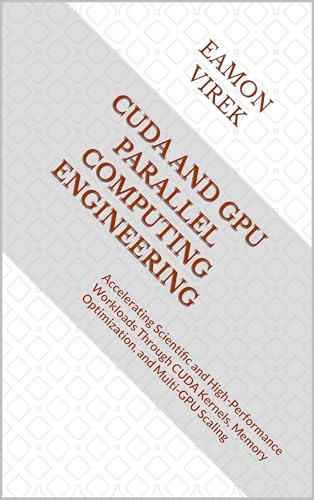
- Focuses on CUDA kernels and performance tuning
- Covers memory optimization for GPU workloads
- Includes multi-GPU scaling considerations
Best For: Developers and engineers optimizing CUDA-driven scientific or HPC workloads.
Best for Rendering Workflow
GPU Zen 4: Advanced Rendering Techniques
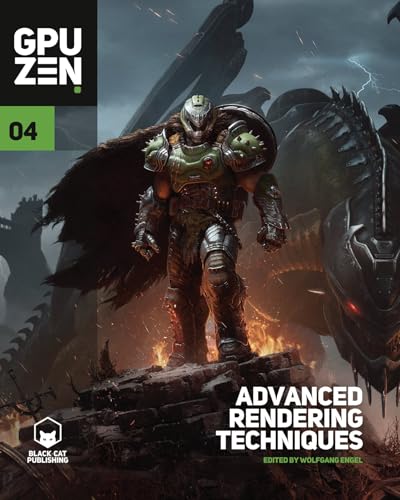
- Covers advanced GPU rendering techniques
- Useful for planning compute-heavy workflows
- Helps align software needs with workstation specs
Best For: Developers and technical artists evaluating CUDA-capable workstation requirements.
Best for CUDA Devs
High Performance GPU Computing with C++ and CUDA

- Focuses on robust C++ and CUDA design
- Supports hardware-agnostic GPU software
- Useful for experienced developers and teams
Best For: CUDA developers and C++ engineers building portable accelerated software.
Best for CUDA Learning
GPU Programming with C++ and CUDA

- Teaches efficient GPU-parallel C++ techniques
- Helps build CUDA development and optimization skills
- Best for developers who want practical programming guidance
Best For: Developers and engineers learning CUDA-focused GPU programming on capable workstations.
Best for CUDA Learners
High-Performance GPU Computing with Python

- Python-first CUDA and Numba instruction
- Great for data science and ML acceleration
- Helps plan GPU software skills before buying hardware
Best For: Python users and data scientists learning CUDA and GPU acceleration workflows.
Best for CUDA Pipeline Builders – CUDA & GPU Parallel Computing Engineering
If you’re comparing gpu workstations for cuda development, this title is a practical fit for buyers who want more than a generic GPU overview. It focuses on CUDA kernels, memory optimization, and multi-GPU scaling, which makes it useful when you need to think about real engineering constraints rather than just raw specs.
Best For: Developers, researchers, and engineers building CUDA workflows who want guidance on performance tuning and scaling across multiple GPUs.
Pros:
- Centers on CUDA kernel development and performance optimization.
- Covers memory tuning, a major factor in GPU workstation efficiency.
- Includes multi-GPU scaling topics for larger compute setups.
- Useful for scientific and high-performance workload planning.
Cons:
- More technical than a beginner-friendly intro to GPUs.
- Not a hardware buying guide for selecting workstation components.
- Best value comes from readers already working in CUDA ecosystems.
For gpu workstations for cuda development, this is a strong pick if your priority is understanding how to make the system run faster and scale better once the hardware is in place. It’s better suited to hands-on optimization than to shopping for a prebuilt workstation.
Best for Rendering Workflow – GPU Zen 4: Advanced Rendering Techniques
If you are comparing gpu workstations for cuda development, this title is most useful as a learning and workflow reference for rendering-heavy pipelines rather than a ready-made hardware pick. It can still help teams understand how modern GPU-centric techniques map to workstation planning, especially when you need to balance compute throughput, memory demands, and real-time iteration speed.
Best For: Developers and technical artists who want practical guidance on advanced GPU rendering concepts before spec’ing or optimizing a CUDA-capable workstation.
Pros:
- Focused on advanced GPU rendering techniques that inform workstation planning
- Useful for teams evaluating performance tradeoffs in compute-heavy workflows
- Helps bridge software technique and hardware requirements for GPU work
Cons:
- Not a physical workstation or GPU component
- Less relevant if you need a direct hardware recommendation
For buyers comparing gpu workstations for cuda development, this is a support resource rather than an end-user machine, so it works best alongside hardware research. If your goal is to size a workstation around rendering and CUDA workloads, it can help you make smarter choices about GPU class, cooling, and memory headroom.
Best for CUDA Devs – High Performance GPU Computing with C++ and CUDA
If you’re comparing gpu workstations for cuda development, this book is a practical reference for building reliable, hardware-agnostic accelerated software rather than chasing one-off tuning tricks. It focuses on C++ and CUDA design patterns that help you write code that scales across different GPU setups.
Best For: CUDA developers, C++ engineers, and technical teams that want a stronger foundation for portable, maintainable GPU software.
Pros:
- Centers on robust design, not just raw performance tuning
- Useful for writing hardware-agnostic CUDA code that can adapt to different systems
- Fits developers who need both C++ structure and GPU acceleration guidance
Cons:
- Not a physical workstation, so it won’t help you compare hardware specs directly
- Better suited to developers than absolute beginners
As a roundup pick, it makes sense for buyers who already have gpu workstations for cuda development in mind and need a deeper software-side guide to get more out of the hardware they choose.
Best for CUDA Learning – GPU Programming with C++ and CUDA
If you’re comparing gpu workstations for cuda development, this book is a practical pick for understanding how to actually use the hardware well. It focuses on writing efficient GPU-parallel C++ applications, so it’s useful for developers who want more than basic setup advice and need guidance on real CUDA programming techniques.
Best For: Developers, students, and engineers who want a hands-on guide to CUDA programming and performance-minded GPU application design.
Pros:
- Explains effective techniques for writing efficient GPU-parallel C++ code
- Useful for learning CUDA development workflows and optimization thinking
- Fits buyers who need practical programming guidance rather than general workstation advice
Cons:
- It is a technical book, not a physical GPU workstation
- May feel advanced for readers who are new to C++ or parallel programming
For buyers evaluating gpu workstations for cuda development, this title is less about the machine specs and more about getting the most from them. It pairs well with a capable CUDA-ready system if your goal is to improve coding efficiency, kernel performance, and real-world GPU programming skills.
Best for CUDA Learners – High-Performance GPU Computing with Python
If you’re comparing gpu workstations for cuda development, this book is a practical choice for learning how to turn Python workflows into GPU-accelerated code. It focuses on CUDA and Numba, making it useful for developers who want to understand the fundamentals before committing to a more advanced workstation setup.
Best For: Python users, data scientists, and ML practitioners who want a hands-on introduction to CUDA programming and GPU acceleration.
Pros:
- Explains CUDA and Numba in a Python-friendly way
- Useful for data science and machine learning acceleration concepts
- Helps buyers plan software skills before investing in hardware
- Good entry point for practical GPU coding workflows
Cons:
- Not a physical workstation or hardware guide
- Better for learning than for advanced CUDA optimization
- Assumes some Python comfort already
As a roundup pick, it fits readers who want to understand the software side of gpu workstations for cuda development before choosing hardware. It won’t replace a benchmarking guide, but it can help you make a smarter workstation purchase by clarifying what CUDA-ready workflows actually require.
How We Picked the Best GPU Workstations for Cuda Development
We focused on GPU Workstations for Cuda Development that offer a strong balance of GPU capability, memory capacity, CPU throughput, thermal stability, and expandability. We also favored systems that make sense for real development work, not just benchmark numbers.
Priority went to configurations that can handle iterative compilation, large datasets, multi-GPU scaling where needed, and reliable long-session performance.
Quick Comparison
At a high level, the best choice usually depends on workload size. Smaller development environments can get by with a single powerful GPU and ample system RAM. Larger CUDA projects, model training, or simulation work benefit from more VRAM, faster storage, and workstation-class cooling.
For mixed use, look for a balanced build: a recent multicore CPU, at least 32GB of RAM, high-speed NVMe storage, and a GPU with enough memory for your kernels, datasets, and debugging overhead.
Key Buying Factors for GPU Workstations for Cuda Development
GPU VRAM and CUDA Capability
CUDA development is often limited by VRAM before raw compute. More memory helps with larger models, bigger batches, and more complex simulations. Make sure the GPU supports the CUDA features and software stack you plan to use.
CPU, RAM, and Storage Balance
CUDA workflows still rely heavily on the host system. A strong CPU helps with compilation, preprocessing, and orchestration, while enough RAM prevents bottlenecks when working with large datasets. Fast NVMe storage improves project loading, caching, and data movement.
Thermals and Power Delivery
Long compile-and-train sessions can expose weak cooling and unstable power delivery. A workstation with solid airflow, quality PSU capacity, and quiet sustained cooling will be more dependable over time.
Expandability and Upgrade Path
If your projects will grow, choose a workstation that leaves room for additional storage, memory, and possibly another GPU. This is especially important for research, AI prototyping, and production-level development pipelines.
Who Should Buy Which GPU Workstations for Cuda Development?
If you are a student or early-stage developer, prioritize affordability, 32GB of RAM, and a capable CUDA-supported GPU. If you are building serious research or ML workflows, move up to more VRAM, more system memory, and a platform with better cooling and expansion.
Teams and professionals who compile often, run large experiments, or need long-term reliability should lean toward workstation-class systems with strong serviceability and headroom for future upgrades.
