
Law firms handle sensitive contracts, discovery files, and client records that need more than a basic flash drive. The right encrypted drive helps reduce exposure if a device is lost, shared, or stolen.
Below, we focus on practical options for encrypted USB drives for lawyers, balancing security features, capacity, compatibility, and ease of use for everyday legal work.
Best 8 Encrypted USB Drives for Lawyers Picks for 2026
Best for Multi-User Security
Kingston IronKey Locker+ 50 128GB

- XTS-AES hardware encryption with anti-tamper protections
- Admin and user passwords with complex/passphrase modes
- Automatic cloud backup and virtual keyboard support
Best For: Law firms and legal professionals who need shared-access security and strong data protection.
Best for Hardware Security
Apricorn Aegis Secure Key 3 NX 8GB

- Onboard keypad with PIN-based access
- FIPS 140-2 Level 3 validated hardware encryption
- Software-free, cross-platform design
Best For: Attorneys and legal teams needing a compact, highly secure USB drive for sensitive files.
Best for Multi-Password Access
Kingston Ironkey Locker+ 50 G2 256GB Encrypted USB Drive
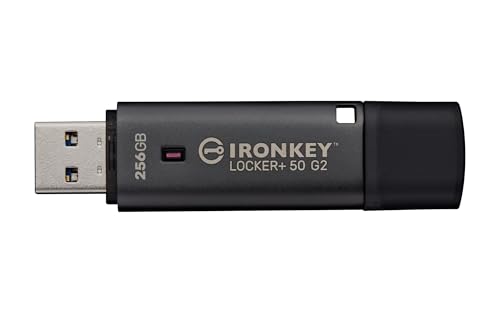
- FIPS 197 certified XTS-AES 256-bit hardware encryption
- Multi-password admin/user access for shared workflows
- 256GB capacity with USB 3.2 Gen 1 transfer speeds
Best For: Attorneys and legal teams needing a secure encrypted drive with controlled access.
Best for Strong Hardware Security
Apricorn Aegis Secure Key 3 NXC 128GB

- Hardware AES-XTS encryption for sensitive files
- FIPS 140-3 Level 3 validation
- USB-C and software-free operation
Best For: Attorneys and legal teams needing a secure, software-free drive for confidential documents.
Best for Hardware Encryption
Integral Crypto-197 4GB USB 3.0

- FIPS 197-certified 256-bit hardware encryption
- Wipes data after 6 failed password attempts
- Water-resistant dual-layer design for durability
Best For: Lawyers who want a simple, hardware-encrypted drive for secure document transfers.
Best for Everyday Use

- AES XTS 256-bit hardware encryption
- PIN keypad access with admin/user support
- USB 3.0 and software-free setup
Best For: Lawyers and firms that need portable, PIN-unlocked encrypted storage without software installation.
Best for Comfort
INNPLUS Secure 32GB Encrypted USB 3.0

- 256-bit AES XTS hardware encryption
- Compatible with Windows, Mac, Linux, and embedded systems
- USB 3.0 speeds for fast file transfers
Best For: Lawyers and legal professionals who need a portable, password-protected drive for sensitive files.
Best for Maximum Security
Apricorn Aegis Secure Key 3Z 32GB

- 256-bit AES XTS hardware encryption
- FIPS 140-2 Level 3 validated
- Rugged IP57 aluminum housing
Best For: Lawyers and legal teams needing a rugged, hardware-encrypted drive with strong access controls.
Best for Multi-User Security – Kingston IronKey Locker+ 50 128GB
If you need encrypted usb drives for lawyers, the Kingston IronKey Locker+ 50 is a strong pick for securing case files, client documents, and other sensitive records on the go. It combines XTS-AES protection with admin and user passwords, plus built-in safeguards against brute-force attacks and BadUSB threats.
Best For: Law firms, solo attorneys, and legal teams that want password-based access controls, strong hardware encryption, and a simple portable backup option.
Pros:
- XTS-AES hardware encryption with brute-force and BadUSB protection
- Admin and user password modes with complex or passphrase support
- Virtual keyboard helps protect password entry from keyloggers
- Automatic personal cloud backup adds an extra recovery layer
Cons:
- Requires password setup and management, which adds a small learning curve
- Performance is solid, but not the fastest option in this category
Overall, this drive is a practical fit for encrypted usb drives for lawyers who value layered security more than raw speed. Its metal casing and multi-password controls make it especially appealing for day-to-day legal work where confidentiality matters.
Best for Hardware Security – Apricorn Aegis Secure Key 3 NX 8GB
If you want one of the more security-focused encrypted usb drives for lawyers, the Apricorn Aegis Secure Key 3 NX stands out for its onboard PIN keypad, hardware-only encryption, and FIPS 140-2 Level 3 validation. It keeps data encrypted on the device itself, avoids software installation, and is built to work across common office and legal-environment systems.
Best For: Attorneys and legal teams that need a compact, hardware-encrypted drive with strong tamper resistance and simple PIN-based access.
Pros:
- 256-bit AES XTS hardware encryption with onboard keypad authentication
- FIPS 140-2 Level 3 validated for stronger security requirements
- Cross-platform and software-free, so it works well in mixed IT environments
- Separate admin/user modes and read-only options add control
Cons:
- 8GB capacity is modest for large case files and media-heavy workflows
- Physical keypad design adds bulk compared with standard flash drives
For firms that care more about protection than capacity, this is a solid fit among encrypted usb drives for lawyers. Its hardware-based approach, tamper resistance, and validation credentials make it especially appealing for handling sensitive client data on the go.
Best for Multi-Password Access – Kingston Ironkey Locker+ 50 G2 256GB Encrypted USB Drive
If you need one of the more practical encrypted usb drives for lawyers, the Kingston Ironkey Locker+ 50 G2 stands out for its FIPS 197-certified, XTS-AES 256-bit hardware encryption and simple multi-password setup. It’s built for keeping client files, case notes, and sensitive documents protected without adding much friction to day-to-day use.
Best For: Attorneys, paralegals, and legal teams who want a straightforward encrypted flash drive with strong hardware-based protection and separate admin/user access.
Pros:
- FIPS 197 certified with XTS-AES 256-bit hardware encryption
- Multi-password support helps separate admin and user access
- USB 3.2 Gen 1 speeds are solid for encrypted file transfers
- 256GB capacity gives ample room for legal documents and media
Cons:
- Security features may be more than casual users need
- Write speeds are good, but not class-leading
For lawyers who prioritize compliance-friendly protection and controlled access, this drive is a strong fit among encrypted usb drives for lawyers. It’s a sensible choice when security matters more than extras, especially for storing confidential client information on the go.
Best for Strong Hardware Security – Apricorn Aegis Secure Key 3 NXC 128GB
If you need one of the more security-focused encrypted usb drives for lawyers, the Apricorn Aegis Secure Key 3 NXC is built around hardware encryption, a FIPS validation, and a Type-C connector that fits modern laptops and desktops. It is a practical pick for protecting case files, client documents, and sensitive transfers without relying on software installs.
Best For: Attorneys and legal teams who want a software-free, hardware-encrypted USB drive for confidential document transport.
Pros:
- 256-bit AES-XTS hardware encryption helps protect sensitive legal files.
- FIPS 140-3 Level 3 validation adds a strong compliance-friendly security signal.
- Type-C USB 3.2 design works well with newer devices and travel setups.
- Separate admin and user modes support controlled access.
Cons:
- More expensive than standard flash drives.
- No software convenience layer, so setup is more security-driven than plug-and-play.
For lawyers who prioritize data protection over extras, this drive is a strong fit among encrypted usb drives for lawyers. It is geared toward secure handling of confidential material rather than casual everyday storage.
Best for Hardware Encryption – Integral Crypto-197 4GB USB 3.0
If you need encrypted usb drives for lawyers that prioritize strong access controls over extra storage capacity, the Integral Crypto-197 is built around FIPS 197-certified 256-bit hardware encryption, password protection, and auto-lock behavior. It’s a practical fit for transporting client files, case materials, and other sensitive documents when you want encryption that works without software installs.
Best For: Lawyers and legal professionals who want a straightforward, hardware-encrypted USB drive for securely moving confidential files between PCs and Macs.
Pros:
- FIPS 197 certified with 256-bit AES hardware encryption
- Brute-force protection wipes data after 6 failed password attempts
- Auto-locks when unplugged or when the computer locks
- Water-resistant dual-layer design adds extra durability for travel
Cons:
- 4GB capacity is modest for larger case files or media
- Requires a password setup and careful management to avoid lockouts
- More security-focused than storage-focused for everyday bulk use
For encrypted usb drives for lawyers, this model stands out when security and simplicity matter more than big capacity. It’s a strong choice for protecting highly sensitive documents, but the limited storage makes it better for targeted file transfers than archive-heavy workflows.
Best for Everyday Use – Apricorn Aegis Padlock 2TB
For lawyers who need straightforward device-level security, this Apricorn drive stands out among encrypted usb drives for lawyers because it uses built-in hardware encryption instead of relying on installed software. The keypad-based PIN unlock keeps access simple, while USB 3.0 support helps move case files, discovery, and archived records more quickly.
Best For: Attorneys, solo practices, and firm teams that want a portable encrypted drive with easy PIN access and no software setup.
Pros:
- Hardware-encrypted AES XTS 256-bit security
- No admin rights or software installation required
- Integrated keypad supports PIN-based access for convenience
- USB 3.0 connection for faster file transfers
Cons:
- Bulkier than a small flash drive
- Higher price than basic USB storage
- Best suited to portable file storage, not long-term backup alone
If you want a secure, cross-compatible external drive for sensitive documents, this Apricorn model is a practical pick. It fits the needs of encrypted usb drives for lawyers who want strong protection without complicated setup.
Best for Comfort – INNPLUS Secure 32GB Encrypted USB 3.0
If you are comparing encrypted usb drives for lawyers, the INNPLUS Secure 32GB is a practical option when hardware-level protection and cross-platform compatibility matter more than extra software features. Its 256-bit AES XTS encryption, password lock, and USB 3.0 speeds make it a solid fit for carrying client documents, case files, and other sensitive records.
Best For: Lawyers, solo practitioners, and legal teams that want a password-protected drive with strong hardware encryption and broad device support.
Pros:
- 256-bit AES XTS hardware encryption helps protect confidential legal files even if the drive is lost.
- USB 3.0 transfer speeds are fast enough for moving large case folders and backups.
- Works across Windows, Mac, Linux, and embedded systems without extra drivers.
- Zinc alloy housing adds durability for daily carry and travel.
Cons:
- 32GB capacity may feel limited for heavy media or large discovery archives.
- Factory-reset lockout after 10 failed attempts is secure, but unforgiving if passwords are forgotten.
For encrypted usb drives for lawyers, this INNPLUS model stands out as a straightforward security-first pick: it focuses on hardware encryption, portability, and broad compatibility rather than advanced admin controls. That makes it a strong choice for everyday confidential document transfer.
Best for Maximum Security – Apricorn Aegis Secure Key 3Z 32GB
If you need one of the more security-focused encrypted usb drives for lawyers, the Apricorn Aegis Secure Key 3Z is built around hardware encryption, PIN authentication, and FIPS validation rather than convenience-only features. It’s a strong fit for storing case files, privileged documents, and client data that should stay protected even if the drive is lost or handled on different systems.
Best For: Lawyers and legal teams who want a rugged, hardware-encrypted USB drive with strong access controls and government-grade validation.
Pros:
- 256-bit AES XTS hardware encryption with onboard PIN unlock
- FIPS 140-2 Level 3 validated for higher assurance
- Rugged aluminum build with IP57 water and dust resistance
- Read-only modes and admin/user PIN options for shared use
Cons:
- Higher cost than basic encrypted flash drives
- PIN-based workflow adds a little setup and login friction
- 32GB capacity may be limiting for very large evidence sets
For attorneys who prioritize security controls over simplicity, this is a compelling choice among encrypted usb drives for lawyers. It’s especially useful when you want hardware-based protection, cross-platform compatibility, and the ability to manage access without relying on software installs.
How We Picked These Encrypted USB Drives for Lawyers
We prioritized hardware encryption, password protection, and tamper-resistant security features over generic storage speed claims. For legal use, we also looked at drive formats that work well for carrying case files, client documents, and confidential backups without adding unnecessary complexity.
Capacity, interface support, and validation standards mattered too. Some lawyers need compact, pocketable USB drives for quick transfers, while others benefit from higher-capacity models or even encrypted portable storage for larger matter archives.
Quick Comparison
In this roundup, smaller-capacity drives are better suited to highly portable daily carry, mid-range options fit most document workflows, and larger-capacity or external encrypted drives are better for litigation teams, archiving, or multimedia evidence. USB-A models remain common, while USB-C options are a smart choice if you regularly work across newer laptops and docked setups.
Key Buying Factors for Encrypted USB Drives for Lawyers
Security Validation
Look for hardware encryption and recognized standards such as FIPS validation or AES-XTS protection. These features matter more than software-only locking because they help keep encryption on the device itself.
Password and Access Controls
Multi-password support, brute-force protections, and admin/user access features are useful for firms that share drives across staff or need separate access policies.
Capacity and Case Workflow
Choose a size that matches your document load. A smaller drive may be enough for pleadings and correspondence, but larger matters, scanned exhibits, and backups may justify 128GB, 256GB, or more.
Portability and Compatibility
Consider whether you need USB 3.0, USB 3.2 Gen 1, or USB-C. The best Encrypted USB Drives for Lawyers are the ones that fit your real-world devices and travel habits without adapters becoming a daily hassle.
Durability and Usability
Lawyers often move between office, court, and client sites, so a compact, rugged drive with simple authentication can be a better choice than a feature-heavy model that slows down everyday work.
Who Should Buy Which Encrypted USB Drives for Lawyers?
If you need a simple, secure carry solution for day-to-day documents, choose a compact encrypted flash drive with strong password controls. If you handle larger matters, a higher-capacity model makes more sense. For firms that want broader document storage or long-term encrypted backups, an external encrypted drive is the better fit. Solo practitioners may prefer convenience and portability, while litigation teams and in-house legal departments often benefit from stronger validation and larger capacity.
In short, the best option depends on how much data you move, how often you share it, and which devices you use. Pick the drive that matches your security requirements first, then narrow by capacity and compatibility.
