
Compact telephone audio interfaces can connect a landline, recorder, headset, computer, or mobile device without taking over your desk. The right choice depends on whether you need call recording, simple signal conversion, playback, or portable monitoring.
We compare ten small adapters, splitters, DACs, and recording tools to help you match the hardware to your phone system and audio workflow.
Best 10 Compact Telephone Audio Interfaces Picks for 2026
Best XLR-to-USB Adapter
Compact XLR Recording Interface
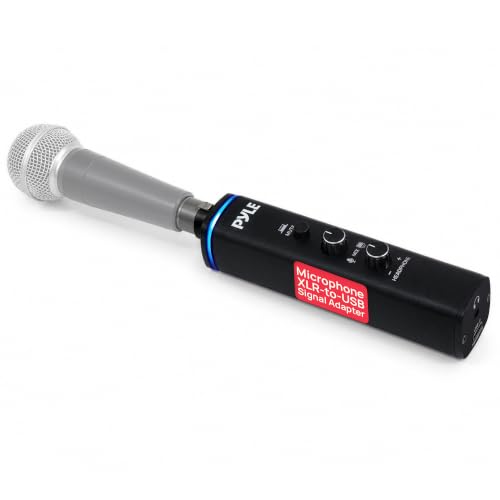
- Connects an XLR mic to a computer via USB
- Includes monitoring and mix controls
- Supports +48V phantom power
Best For: Existing XLR microphone owners making basic computer recordings
Best Landline Recording Adapter
ECS Telephone Recorder Adapter

- Records through a 3.5mm input
- Supports handset or wall-jack connections
- Includes long cables and phone accessories
Best For: Analog landline call recording with existing equipment
Best Portable USB-C DAC

- Offers 3.5mm and 4.4mm outputs
- Includes 60-step volume control
- Supports high-resolution PCM and DSD
Best For: Portable headphone listening from USB-C devices
Best Standalone Call Recorder

- Records landline, VoIP, IP, and digital phone audio
- Stores over 970 hours on the included card
- Offers onboard playback and multiple trigger modes
Best For: Independent phone recording with local storage
Best Wireless Upgrade

- Bluetooth 5.4 and EDR connectivity
- USB and 3.5mm AUX outputs
- Compact, plug-and-play design
Best For: Adding wireless playback to older car and home stereos
Best for Call Recording
Analog Telephone Adapter Splitter

- Dual RJ11 ports for phone connections
- 3.5mm socket for voice recorders
- Two-pack with no external power needed
Best For: Capturing calls from compatible analog telephones
Best for High-Resolution Listening
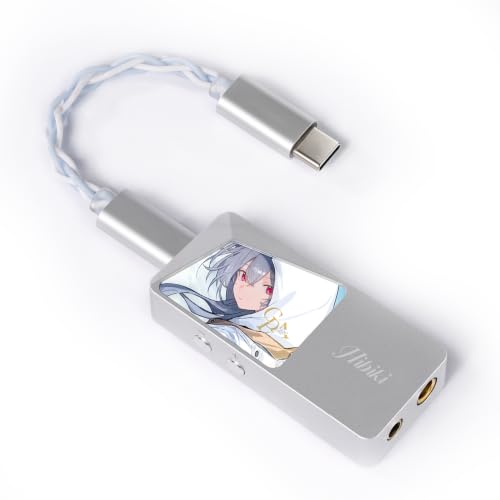
- Dual ESS DAC chips for high-resolution audio
- 3.5mm and balanced 4.4mm outputs
- 25-gram portable aluminum design
Best For: Portable wired listening with IEMs and headphones
Everyday USB Audio Adapter

- USB male to 3.5mm female conversion
- Plug-and-play support for common devices
- Aluminum housing with braided cable
Best For: Basic wired audio connections and travel use
Hi-Res IEM Companion

- Dual DAC design with high-resolution decoding
- 3.5mm and balanced 4.4mm outputs
- Lightweight 25g aluminum construction
Best For: Portable IEM and headphone listening
Best XLR-to-USB Adapter – Compact XLR Recording Interface
For simple computer recording, this compact telephone audio interfaces pick is an XLR-to-USB adapter rather than a complete microphone package. Connect your own XLR microphone, use the included USB cable, and record on a Windows PC, Mac, or Linux computer. Headphone volume, mix control, and +48V phantom power add useful flexibility for basic desktop setups.
Best For: Users who already own an XLR microphone and need a compact computer recording connection with monitoring controls.
Pros:
- Works with Windows, Mac, and Linux computers.
- Includes headphone volume and mix audio controls.
- Provides +48V phantom power for compatible condenser microphones.
- Compact aluminum-alloy housing suits home, office, or mobile setups.
Cons:
- Microphone is not included.
- Offers one mic-adapter connection rather than a multi-input interface.
The Pyle PDUSBPP10 is a focused, plug-and-play option for converting one XLR microphone to USB. It makes the most sense when portability and basic monitoring matter more than expanded studio routing.
Best Landline Recording Adapter – ECS Telephone Recorder Adapter
The ECS telephone recorder adapter is designed for capturing audio from a corded landline setup, making it a practical choice among compact telephone audio interfaces. It connects between the handset and phone, or can support recording directly from a wall jack, then feeds a recorder or computer through a 3.5mm microphone input.
Best For: Users recording analog landline calls with a compatible digital recorder, analog recorder, or computer sound card.
Pros:
- Supports handset-to-phone and wall-jack recording configurations.
- Includes in-line volume control.
- Works with many devices using a 3.5mm microphone or telephone input.
- Comes with long RJ11 and 3.5mm cables, a T-connector, and handset cord.
Cons:
- It is a 3.5mm adapter setup, not a standalone recorder.
- Compatibility depends on the phone and recording device passing analog audio.
With its included cables and dual recording options, the ECS adapter is a straightforward solution for users who already have a recording device. Its usefulness is centered on compatible analog telephone systems rather than general-purpose audio recording.
Best Portable USB-C DAC – BASN PA60 Mini Headphone Amp
The BASN PA60 is a pocket-sized USB-C DAC and headphone amplifier for improving playback from compatible phones, tablets, computers, and gaming consoles. While it is not a telephone-call recording interface, its compact design makes it a relevant audio accessory for listeners comparing portable telephone audio interfaces and USB-connected sound hardware.
Best For: Mobile listeners who want a compact USB-C playback device with 3.5mm and 4.4mm headphone outputs.
Pros:
- Provides both 3.5mm single-ended and 4.4mm balanced outputs.
- Offers independent 60-step volume control and selectable filters.
- Supports high-resolution PCM and DSD playback.
- Includes USB-C and USB-A connection accessories.
Cons:
- It is a headphone DAC/amplifier, not a microphone or telephone recording interface.
- 3.5mm and 4.4mm outputs cannot be used simultaneously.
- Lightning devices require an additional Lightning-to-USB-C cable.
The PA60 is best evaluated as a portable listening upgrade rather than a call-capture tool. Its small aluminum body, flexible outputs, and console compatibility make it useful for personal playback on the go.
Best Standalone Call Recorder – LeCall AR120 Phone Recorder
The LeCall AR120 is a standalone telephone recorder for analog landlines, VoIP and IP phones, digital phones, fixed wireless terminals, and PABX systems. For shoppers seeking compact telephone audio interfaces without relying on a separate computer, it provides onboard recording, playback, file management, a replaceable SD card, and multiple trigger modes.
Best For: Users who need independent telephone or voice recording with local storage and onboard controls.
Pros:
- Records more than 970 hours with the included 16GB card and supports expansion to 32GB.
- Supports manual, voltage-triggered, and voice-triggered recording.
- Includes a built-in microphone, speaker, LCD screen, and headphone jack.
- Can manage files on the device or through Windows software.
Cons:
- Windows software support is limited to Windows computers.
- Requires three AAA batteries.
- Recording and playback are mono.
The AR120 is the most self-contained option in this group, especially for users who want recording to continue without keeping a computer connected. Its broad phone compatibility and local file management add convenience, while the Windows-only management software may limit some workflows.
Best Wireless Upgrade – Mini Bluetooth AUX Receiver
For shoppers comparing compact telephone audio interfaces and other small audio upgrades, this Bluetooth receiver is designed to add wireless playback to a compatible car or home stereo. Its USB and 3.5mm AUX connections, automatic pairing, and compact housing make it a practical plug-and-play option.
Best For: Adding Bluetooth music playback to older car stereos, wired speakers, or home audio systems.
Pros:
- Bluetooth 5.4 with EDR supports a faster, more stable connection.
- Dual USB and 3.5mm AUX interfaces suit a range of stereo setups.
- Compact design is intended for tight console spaces.
- Signal filtering helps reduce static and hissing noise.
Cons:
- It is a receiver for Bluetooth playback rather than a telephone call-recording interface.
- Plastic construction may feel less premium than metal alternatives.
This is a sensible choice when the priority is compact wireless audio for a car or home stereo. Buyers specifically needing telephone-line recording should consider a dedicated analog telephone adapter instead.
Best for Call Recording – Analog Telephone Adapter Splitter
Among compact telephone audio interfaces, this analog telephone adapter splitter is the most directly focused on capturing phone conversations. It connects between a telephone and line while providing a 3.5mm audio socket for a compatible voice recorder, with two adapters included for added flexibility.
Best For: Recording incoming and outgoing calls from compatible analog, landline, or corded telephone setups.
Pros:
- Dual RJ11 ports support telephone and recorder connections.
- 3.5mm audio socket integrates with compatible recording devices.
- Supports single-line and multi-line telephone recording.
- Requires no external power and comes as a two-pack.
Cons:
- Designed for analog or compatible telephone systems, not general Bluetooth audio.
- Recording quality depends partly on the connected recorder and phone setup.
This is the strongest match for buyers who need a straightforward telephone recording connection rather than a general-purpose audio adapter. Its no-power setup and included spare or second unit add practical value.
Best for High-Resolution Listening – Mini USB-C IEM DAC
For listeners exploring compact telephone audio interfaces for phone or computer listening, the CVJ Hibiki Mini provides a portable USB-C DAC and headphone amplifier. It combines high-resolution decoding with both 3.5mm and balanced 4.4mm outputs in a 25-gram aluminum body.
Best For: Improving wired headphone or IEM playback from compatible phones, tablets, and computers.
Pros:
- Dual ESS DAC design supports PCM up to 384kHz/32-bit and DSD256.
- Offers both 3.5mm single-ended and 4.4mm balanced outputs.
- Supports headphones rated from 6 to 300 ohms.
- Lightweight aluminum construction is suited to portable use.
Cons:
- It is intended for USB-C digital audio and wired headphones, not telephone-line recording.
- The 3.5mm and 4.4mm outputs cannot be used simultaneously.
- Device compatibility depends on having a suitable USB-C connection or included cable setup.
This DAC is the better fit for high-fidelity personal listening and portable headphone amplification. It offers more specialized audio hardware than a basic telephone interface, but it is not a substitute for an RJ11 call-recording adapter.
Everyday USB Audio Adapter – Compact 3.5mm Interface
For shoppers comparing compact telephone audio interfaces, this USB-to-3.5mm adapter is a straightforward option for adding a wired headphone, microphone, or auxiliary connection to compatible computers, laptops, cars, and other USB devices. Its plug-and-play design and compact build suit everyday listening and travel.
Best For: Simple wired audio connections for computers, laptops, car stereos, and applicable phones using an OTG adapter.
Pros:
- Converts a 3.5mm female audio jack to a USB male interface.
- Supports up to 24-bit/48kHz output for everyday audio playback.
- Aluminum housing and nylon-braided cable are designed for regular use.
- Includes a 60-day money-back guarantee and one-year warranty.
Cons:
- Call functionality through OTG is limited to USB-C phones according to the listing.
- It is an adapter rather than a dedicated headphone amplifier.
This is a practical pick when you need basic USB-to-3.5mm connectivity without drivers or extra software. Verify your device’s USB and OTG support, especially if calls are important.
Hi-Res IEM Companion – CVJ Lila Mini DAC
Among compact telephone audio interfaces, the CVJ Lila Mini is aimed at listeners who want higher-resolution playback and headphone-driving flexibility from a small USB-C DAC. It combines dual DAC chips, 3.5mm and balanced 4.4mm outputs, and broad phone and computer compatibility in a 25g aluminum body.
Best For: IEM users and headphone listeners seeking portable high-resolution audio with both single-ended and balanced output options.
Pros:
- Supports PCM up to 32-bit/384kHz and DSD64/128/256 decoding.
- Offers both 3.5mm and 4.4mm outputs for flexible headphone use.
- Designed to drive headphones from 6–300Ω, with low output impedance.
- Works plug-and-play with Android, iPhone, iPad, Windows, and macOS devices.
Cons:
- The 3.5mm and 4.4mm outputs cannot be used simultaneously.
- Its advanced specifications may be more than needed for basic earbuds.
The Lila Mini is the most feature-focused choice here for portable high-fidelity listening. Its dual-output layout and high-resolution support are useful, but buyers should confirm their phone’s USB-C connectivity and headphone plug type.
Balanced USB-C DAC Cable – 4.4mm HiFi Adapter
This USB-C-to-4.4mm adapter is one of the more specialized compact telephone audio interfaces for listeners with balanced headphones. It supports up to 32-bit/384kHz audio, uses a built-in DAC, and keeps the connection small with a 12cm cable for compatible USB-C phones, laptops, and speakers.
Best For: USB-C device owners who use 4.4mm balanced headphones and want a short, portable DAC adapter.
Pros:
- Provides a USB-C male to 4.4mm female balanced connection.
- Supports up to 32-bit/384kHz sampling.
- Compact 12cm cable is designed for portability and reduced tangling.
- Listing states support for inline controls and voice functions.
Cons:
- It has only a 4.4mm output, so standard 3.5mm headphones need another solution.
- Compatibility is focused on USB-C devices and may vary by device.
- The listing does not specify a warranty.
Choose this model when a 4.4mm balanced connection is the priority rather than general-purpose headphone compatibility. Its short cable and high-resolution support make it convenient, but check both USB-C audio support and your headphone connector before buying.
How We Picked These Compact Telephone Audio Interfaces
We focused on products that address common telephone-audio tasks: capturing analog calls, routing sound to a recorder or computer, monitoring through headphones, and adapting between USB, 3.5mm, XLR, and telephone connections. We also considered portability, connection simplicity, controls, compatibility, and whether each device is designed for recording or only general audio conversion.
Because these products serve different roles, a phone recorder, DAC dongle, Bluetooth receiver, and telephone splitter should not be treated as interchangeable. Confirm the connector type and intended signal path before buying.
Quick Comparison
- Best for direct landline recording: A dedicated telephone recorder or telephone recorder adapter.
- Best for splitting a phone signal: An analog telephone adapter splitter.
- Best for computer audio connections: A USB audio adapter or XLR-to-USB interface.
- Best for headphone listening: A portable USB-C DAC or headphone amplifier.
- Best for wireless playback: A Bluetooth receiver with 3.5mm or USB output.
Key Buying Factors for Compact Telephone Audio Interfaces
Phone-System Compatibility
Check whether the device supports an analog landline, digital phone, or IP phone system. Traditional telephone adapters may not work correctly with VoIP equipment, proprietary office handsets, or modern digital extensions. Dedicated recorders that list analog and digital/IP compatibility offer broader coverage, but the phone-system requirements still need verification.
Connector and Signal Direction
Identify every connection in the setup: telephone jack, 3.5mm input, USB-A, USB-C, XLR, or balanced 4.4mm output. Some adapters send audio from a source to a computer, while others only convert digital audio for headphones. A DAC dongle, for example, generally cannot capture a telephone call by itself.
Recording and Monitoring Features
For recording, look for a recorder output, suitable level control, and a format or storage method that fits your workflow. For monitoring, prioritize clean headphone output, low noise, convenient volume control, and enough power for your headphones or in-ear monitors.
Power, Portability, and Controls
USB-powered interfaces are convenient at a desk, while small USB-C DACs are better for phones and laptops. Built-in controls, automatic reconnection, phantom power, or separate output options can be useful, but unnecessary features may add complexity. Also check whether cables, splitters, or adapters are included.
Who Should Buy Which Compact Telephone Audio Interfaces?
Choose a dedicated telephone recorder if your main goal is capturing calls with minimal extra equipment. Select a telephone recorder adapter or splitter when you already own a recording device and need a clean connection between the phone line and recorder. A USB audio adapter or XLR-to-USB unit is more suitable for computer-based audio work, though it may require additional telephone hardware.
Buy a portable USB-C DAC or headphone amplifier if you mainly want better listening from a phone, tablet, or laptop rather than call recording. A Bluetooth receiver makes sense when wireless playback is the priority. Before connecting any device to a live telephone line, confirm compatibility, follow local call-recording laws, and notify participants when required.
