
Compact bike navigation computers can make everyday rides, commutes, and endurance routes far easier to follow. The best models balance clear mapping, fast GPS lock, and simple controls without adding bulk to the cockpit.
In this roundup, we focus on riders who want dependable navigation in a small, bike-friendly package, with options ranging from premium units to value-packed color-screen picks.
Best 10 Compact Bike Navigation Computers Picks for 2026
Precision Training Pick
Garmin Edge 540 Compact GPS Cycling Computer

- Multi-band GNSS for more accurate positioning
- ClimbPro, power guide, and stamina insights
- Up to 26 hours battery life; button controls
Best For: Riders who want compact navigation with strong training tools
Affordable Touchscreen Navigator
iGPSPORT BSC300T Wireless Bike Computer
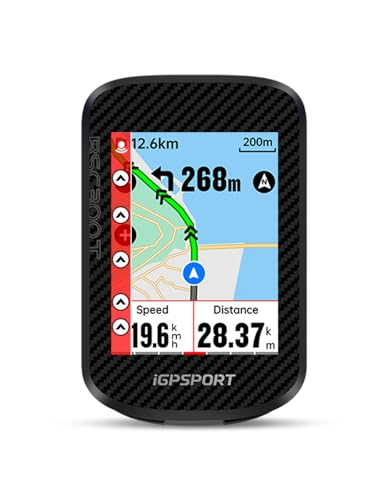
- 2.4-inch touchscreen with 6-button control
- Offline maps, turn prompts, and off-course warning
- ANT+ and Bluetooth support with 130+ data fields
Best For: Riders who want an affordable compact navigator with offline mapping
Premium Touchscreen Flagship
Garmin Edge 1050 Premium Cycling Computer

- 3.5-inch vivid touchscreen with speaker and Garmin Pay
- Road hazard alerts plus group ride features
- Up to 20 hours battery life; 60 in saver mode
Best For: Riders who want a premium compact computer with advanced connected features
Smart Route Value
GEOID CC700 2.8-Inch Color Bike Computer

- 2.8-inch color screen with turn reminders
- Fast 5-second positioning and multi-satellite support
- WiFi sync plus indoor training support
Best For: Riders who want colorful route guidance and WiFi syncing
Smart Navigation Performer
iGPSPORT BSC500 GPS Bike Computer, 3.3'' Touchscreen

- 3.3-inch touchscreen with button backup
- Voice navigation, turn prompts, and re-route support
- Route import from iGPSPORT, Strava, and Komoot
Best For: Riders who want a larger-screen navigation computer with guided routing and climb tools
Fast Sync Everyday Pick
Magene C506SE Wireless GPS Bike Computer

- 2.4-inch color screen in a 74g body
- 5-second positioning with AGNSS support
- WiFi, Bluetooth, and app-based route tools
Best For: Riders who want a lightweight, fast-starting navigation computer with wireless syncing
Route Re-Planning All-Rounder
GEOID CC700 Pro 2.8" Touchscreen GPS Bike Computer

- 2.8-inch touchscreen with button backup
- Offline map downloads with 4GB storage
- Re-route planning plus WiFi auto-sync
Best For: Riders who want map navigation, offline routes, and automatic off-course recovery
Smart Touch Navigation Pick

- 2.4-inch touchscreen with 3-button control
- Fast 5-second GPS positioning with AGNSS
- Turn-by-turn navigation and indoor training support
Best For: Riders wanting a lightweight touchscreen navigator with training features
Endurance Navigation Choice
COOSPO CS600 Color Touchscreen GPS Bike Computer

- 36-hour battery life for long rides
- 2.4-inch touchscreen with auto-backlight
- Built-in route navigation and breadcrumb trail
Best For: Cyclists needing a long-lasting, waterproof navigation computer
Fast Sync Route Planner
GEOID CC600 Color Screen Bike Computer

- Color navigation with rerouting and turn alerts
- 5-second GPS positioning with AGNSS support
- Up to 108 data items and 10 customizable pages
Best For: Riders wanting rerouting navigation and detailed ride data
Precision Training Pick – Garmin Edge 540 Compact GPS Cycling Computer
If you want compact bike navigation computers that do more than just show a route, the Garmin Edge 540 is built for riders who care about navigation, training, and performance tracking in one small package. It combines multi-band GNSS positioning, ride-specific maps, and smart training prompts for a focused, button-controlled ride experience.
Best For: Riders who want compact navigation with strong training tools, button controls, and long battery life.
Pros:
- Multi-band GNSS improves positioning accuracy in challenging environments.
- ClimbPro, power guide, and stamina insights support structured riding.
- Up to 26 hours of battery life, or 42 hours in battery saver mode.
- Improved ride type-specific maps include popular roads, trails, and POIs.
Cons:
- No touchscreen, so operation is button-based only.
- Some advanced coaching features require a compatible power meter and heart rate monitor.
The Edge 540 makes sense if you want a compact unit that balances reliable navigation with serious training support. It is especially appealing for riders who prefer physical controls and want a proven Garmin feature set without moving to a larger display.
Affordable Touchscreen Navigator – iGPSPORT BSC300T Wireless Bike Computer
The iGPSPORT BSC300T is a practical option in compact bike navigation computers if you want touchscreen control, offline maps, and off-course alerts without jumping to a premium-priced unit. Its 2.4-inch display, multi-satellite support, and broad sensor compatibility make it useful for road, MTB, and e-bike riders.
Best For: Riders who want an affordable compact navigator with offline mapping and touchscreen convenience.
Pros:
- Offline map download with route preview and turn prompts.
- Off-course warning helps you correct mistakes quickly.
- Supports 130+ riding data fields and app-based analysis.
- Works with ANT+ and Bluetooth sensors, plus real-time tracking.
Cons:
- Battery life is listed at 20 hours, which trails some premium units.
- Smaller 2.4-inch screen may feel cramped compared with larger displays.
For riders who mainly want navigation, route management, and sensor compatibility, the BSC300T covers the essentials well. It stands out as a flexible, feature-rich compact computer for mixed riding styles and group use.
Premium Touchscreen Flagship – Garmin Edge 1050 Premium Cycling Computer
Among compact bike navigation computers, the Garmin Edge 1050 is the premium pick for riders who want a vivid touchscreen, advanced navigation, and richer ride-day features. It adds road hazard alerts, in-ride messaging, a built-in speaker, and Garmin Pay, while still delivering serious training and mapping tools.
Best For: Riders who want a premium compact computer with a large touchscreen and advanced connected features.
Pros:
- 3.5-inch vivid color touchscreen makes maps and controls easy to use.
- Road hazard alerts, group ride messaging, and incident detection boost awareness.
- Built-in speaker provides workout and navigation prompts, plus a bike bell.
- Up to 20 hours of battery life, or 60 hours in battery saver mode.
Cons:
- Higher-end feature set is likely more than casual riders need.
- Battery life in demanding use is lower than some smaller Garmin units.
The Edge 1050 is the most feature-packed option here, especially if you value touchscreen convenience and connected ride tools. It is best suited to riders who want a premium navigation computer that also handles awareness, coaching, and group ride features.
Smart Route Value – GEOID CC700 2.8-Inch Color Bike Computer
The GEOID CC700 is a compelling choice if you want compact bike navigation computers with route guidance, fast positioning, and practical training features. Its 2.8-inch color screen, offline navigation support, and WiFi syncing make it a strong value-focused option for everyday riding and indoor sessions.
Best For: Riders who want a compact navigation computer with colorful route guidance and WiFi syncing.
Pros:
- Color route navigation with turn reminders and off-route re-routing.
- Fast 5-second positioning with GPS, BeiDou, GLONASS, QZSS, and Galileo support.
- WiFi and Bluetooth help with syncing, firmware updates, and AGNSS data.
- Supports extensive data pages plus indoor training with smart trainers.
Cons:
- Uses a three-button design, so it is less touch-centric than some rivals.
- Navigation and advanced features depend on app and data syncing setup.
The CC700 is a balanced pick for riders who want clear route guidance and broad data display options in a compact body. It offers a useful mix of navigation, connectivity, and training support without leaning into premium pricing features.
Smart Navigation Performer – iGPSPORT BSC500 GPS Bike Computer, 3.3'' Touchscreen
If you want a compact bike navigation computer that leans toward a larger display and more guided routing, the iGPSPORT BSC500 is built around that use case. It combines touchscreen and button control, route importing, voice navigation, and climb tools in a format aimed at riders who want clear navigation cues without constantly checking their phone.
Best For: Riders who want a bigger-screen compact bike navigation computer with voice prompts, route import support, and climbing guidance.
Pros:
- 3.3-inch touchscreen plus button control for easier operation on the move
- Supports route importing from the iGPSPORT app and third-party apps like Strava and Komoot
- Voice navigation, turn reminders, and automatic re-route planning help reduce missed turns
- Dual-band L1/L5 positioning and multi-satellite support are designed for stronger navigation accuracy
Cons:
- The larger 3.3-inch screen may be less compact than smaller bike computers
- Several navigation features depend on route setup and app-based transfers
- Feature-rich design may be more than basic riders need
The BSC500 makes the most sense if navigation is a priority and you want a compact bike navigation computer with a more readable screen and spoken guidance. Its route tools and climb planning add useful depth for training and unfamiliar roads.
Fast Sync Everyday Pick – Magene C506SE Wireless GPS Bike Computer
The Magene C506SE is a compact bike navigation computer aimed at riders who want quick startup, a color display, and straightforward route guidance. Its small 2.4-inch screen, WiFi syncing, and app-based navigation tools make it a practical choice for everyday riding and indoor training alike.
Best For: Riders who want a lightweight compact bike navigation computer with fast positioning, simple controls, and wireless syncing.
Pros:
- 2.4-inch color screen in a lightweight 74g body for easy handling
- 5-second positioning with AGNSS support for fast ride starts
- WiFi and Bluetooth support make data and route transfers faster and easier
- Supports navigation, route re-planning, and indoor trainer workouts
Cons:
- Navigation features such as turning tips and route re-planning require the OnelapFit app connection
- Three-button control may feel less direct than a touchscreen for some riders
- Smaller screen gives less room for data than larger bike computers
If you want a compact bike navigation computer that emphasizes speed and convenience over a big display, the C506SE fits well. It balances route guidance, device support, and quick syncing in a very portable package.
Route Re-Planning All-Rounder – GEOID CC700 Pro 2.8" Touchscreen GPS Bike Computer
The GEOID CC700 Pro is a compact bike navigation computer for riders who want map viewing, off-route recovery, and easy syncing in one unit. Its 2.8-inch touchscreen, offline map support, and re-route planning make it a strong fit for riders who frequently explore new roads or train with structured routes.
Best For: Riders who want a compact bike navigation computer with map navigation, offline route storage, and automatic re-routing.
Pros:
- 2.8-inch color touchscreen with three-button backup controls
- Offline map downloads with 4GB storage for multiple routes
- Re-route planning and turn prompts help keep rides on track
- WiFi auto-sync and ANT+/Bluetooth support streamline data transfer
Cons:
- Re-route planning depends on staying connected to the designated app
- Some navigation features rely on synced AGNSS data and a suitable open area for best results
- Touchscreen size is still compact, so detailed map viewing remains limited compared with larger units
The CC700 Pro is a well-rounded choice if you want a compact bike navigation computer that goes beyond basic ride stats. Between offline maps, automatic route recovery, and training support, it covers a lot of ground for the size.
Smart Touch Navigation Pick – Magene C506 GPS Bike Computer
If you want compact bike navigation computers that balance a bright touchscreen, quick positioning, and deep training tools, the Magene C506 is a strong all-round option. Its 2.4-inch color display, turn-by-turn navigation, GPX route support, and fast WiFi/Bluetooth syncing make it easy to use for everyday rides and structured training.
Best For: Riders who want a lightweight touchscreen bike computer with smart navigation, indoor training support, and broad sensor compatibility.
Pros:
- 2.4-inch touchscreen with three-button control for easier everyday use
- Quick 5-second positioning with AGNSS support and Airoha chipset
- Turn-by-turn navigation, custom routes, and GPX file upload support
- Works with ANT+ and Bluetooth devices, plus smart lights and trainers
Cons:
- Battery life is rated up to 24 hours in endurance mode, not the longest in this group
- Feature set may feel advanced if you only need basic speed and distance data
The C506 stands out for riders who want a compact bike navigation computer that does more than basic routing. It combines fast connectivity, detailed data views, and indoor-training features into a lightweight package that still feels practical on the road.
Endurance Navigation Choice – COOSPO CS600 Color Touchscreen GPS Bike Computer
Among compact bike navigation computers, the COOSPO CS600 is aimed at riders who want simple route guidance, long battery life, and broad connectivity in one weather-ready unit. Its 2.4-inch color touchscreen, breadcrumb navigation, and automatic app syncing make it a practical pick for long rides and multi-day use.
Best For: Cyclists who need a long-lasting GPS bike computer with route navigation, waterproof protection, and sensor support.
Pros:
- 2.4-inch high-resolution touchscreen with auto-backlight adjustment
- Built-in route navigation with uploaded routes and breadcrumb trail guidance
- 36-hour battery life for extended rides and travel days
- IPX7 waterproof rating plus Bluetooth and ANT+ connectivity
Cons:
- Does not include extra sensors or extension mounts in the box
- Navigation is practical, but not as feature-rich as full mapping systems
The CS600 makes sense if your priority is endurance, visibility, and dependable ride tracking rather than maximum complexity. It covers the essentials well and adds useful ecosystem support for radar lights, trainers, and e-bikes.
Fast Sync Route Planner – GEOID CC600 Color Screen Bike Computer
If you are comparing compact bike navigation computers with strong route tools and fast syncing, the GEOID CC600 is built to cover a lot of ground. It pairs a 2.4-inch color screen with rerouting, GPX import, WiFi/Bluetooth updates, and indoor trainer support, making it a versatile option for riders who like clear data and route confidence.
Best For: Riders who want a compact cycling computer with rerouting navigation, quick GPS lock, and detailed data pages.
Pros:
- 2.4-inch colorful screen with durable Asahi glass and three-button design
- Color navigation with turn reminders, zooming, pop-up alerts, and automatic rerouting
- Fast 5-second GPS positioning with multi-satellite support and AGNSS
- Supports up to 10 pages, 108 data items, and multiple chart layouts
Cons:
- Battery life is rated at 24 hours, which is shorter than some endurance-focused rivals
- Many advanced metrics and layouts may be more than casual riders need
The CC600 is a strong match for riders who want navigation that can recover from missed turns and data screens that stay customizable. Its fast syncing and broad compatibility help it fit both outdoor rides and indoor training setups.
How We Picked the Best Compact Bike Navigation Computers
We prioritized real-world navigation performance over spec-sheet noise. The strongest Compact Bike Navigation Computers in this roundup offer readable displays, reliable route guidance, fast positioning, and practical connectivity for sensors and syncing. We also looked at ease of use, mounting footprint, waterproofing, and whether the interface feels usable while riding.
Quick Comparison: What Matters Most
For most riders, the biggest differences come down to screen size, map clarity, and navigation behavior when you miss a turn. Touchscreen models are easier for map interaction, while button-based units can be better in rain or with gloves. Premium options tend to add larger screens, richer maps, and smoother rerouting, while budget-friendly picks often deliver the essentials at a lower cost.
Screen and Visibility
A bright color display helps a lot when checking turn prompts at speed or in mixed lighting. If your rides include strong sun or wet weather, consider readability and touch responsiveness together rather than focusing on screen size alone.
Navigation and Rerouting
Good route guidance should be accurate, quick to update, and forgiving if you drift off course. Reroute planning, offline maps, and clear off-course alerts are especially useful for unfamiliar roads and long weekend rides.
Connectivity and Sync
Bluetooth, ANT+, and WiFi can simplify sensor pairing and ride upload workflows. If you train with power meters, cadence sensors, or heart-rate straps, compatibility matters as much as navigation features.
Key Buying Factors for Compact Bike Navigation Computers
Look at battery life based on your longest typical ride, not just short test conditions. Check whether the unit supports turn-by-turn navigation, saved routes, route import, and map updates. Also consider mounting style, water resistance, and how easy it is to operate with gloves or in rain.
Another practical factor is ecosystem fit. If you already use a cycling app, indoor trainer, or sensors from a specific brand, a computer that syncs cleanly can save time every week.
Who Should Buy Which Compact Bike Navigation Computers?
Choose premium models if you want the best overall interface, larger displays, and advanced navigation for long-distance or frequent riding. Pick mid-range units if you want strong mapping and modern wireless features without paying flagship prices. Budget-conscious riders should focus on the best value options that still provide clear routing, dependable GPS, and solid sensor support.
For commuters and casual riders, a straightforward compact computer with route guidance and easy syncing is usually enough. For endurance riders and navigation-heavy cyclists, prioritize screen clarity, battery life, and rerouting performance above everything else.
