
If you want faster file transfers, smoother backups, and less waiting around on a busy network, a compact 10GbE network adapter can make a big difference.
Our picks focus on practical performance, compatibility, and installation style so you can choose the right adapter for your PC, Mac, NAS, or workstation.
Best 5 Compact 10gbe Network Adapter Picks for 2026
Best for USB4 & Thunderbolt 10GbE

- True 10GbE on USB4 and Thunderbolt 3/4/5
- Bus-powered aluminum body with cooling
- Auto-negotiates down to slower network speeds
Best For: USB4 and Thunderbolt users who want a compact, bus-powered 10GbE adapter for NAS and multi-gig networking.
Best for Government-Ready Installations
TRENDnet TEG-10GECTX 10G PCIe Adapter

- RJ-45 10GbE with multi-gig fallback speeds
- PCIe 3.0 x4 internal card for desktop/server upgrades
- NDAA/TAA compliant with Windows and Server support
Best For: Government, office, and lab builds that need a compliant copper 10GbE upgrade.
Best for Mac and Thunderbolt
StarTech 10GbE USB4 Ethernet Adapter

- Up to 10Gbps with multi-speed fallback
- USB4 and Thunderbolt 3/4/5 compatible
- Compact external design for portable setups
Best For: Mac and Windows users who want portable 10GbE for USB4 or Thunderbolt laptops.
Best for Windows and Linux
TP-Link TX401 10Gb PCIe Network Card
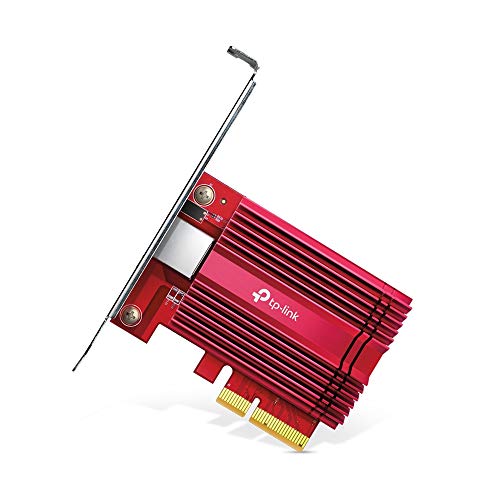
- 10GbE speeds up to 10 Gbps
- Works with Windows, servers, and Linux
- Includes CAT6A cable and low-profile bracket
Best For: Desktop and small-server users who want a compact, compatible 10GbE upgrade.
Best for Compact Builds – VunLink 10Gb PCIe Network Card
If you need a compact 10gbe network adapter that can still push serious throughput, this VunLink card is built around the Realtek RTL8127AT and a PCIe 4.0 x1 interface. It is a practical upgrade for small-form-factor PCs, NAS boxes, and home servers that want 10GbE without giving up a full-size expansion slot.
Best For: Mini PCs, ITX builds, and compact NAS or server systems that need fast wired networking in a small slot-friendly card.
Pros:
- PCIe 4.0 x1 design fits compact systems and limited-slot builds
- Supports 10G/5G/2.5G/1G auto-negotiation for easy network upgrades
- Includes both standard and low-profile brackets for flexible installs
- Hardware offload helps keep CPU usage low during heavy transfers
Cons:
- Best performance depends on a compatible multi-gig network setup
- RJ45 10GbE can run warmer than slower consumer NICs
For buyers who want a compact 10gbe network adapter that balances speed, compatibility, and physical fit, this card is a smart middle-ground choice. It is especially appealing if you are upgrading a small workstation or home lab and want straightforward 10GbE without a complicated install.
Best for USB4 & Thunderbolt 10GbE – Sabrent USB4 to 10GbE Adapter
If you need a compact 10gbe network adapter for a USB4 or Thunderbolt laptop, this Sabrent model is built for real 10GbE performance without an external power brick. It is a practical choice for fast NAS transfers, multi-gig switches, and desktops that need a simple wired upgrade, as long as your network gear can actually deliver 10GbE speeds.
Best For: USB4 and Thunderbolt users who want a bus-powered 10GbE adapter for fast wired networking, NAS work, and multi-gig home or office setups.
Pros:
- True 10GbE support on USB4 and Thunderbolt 3/4/5 systems
- Bus-powered aluminum design keeps the adapter compact and cool
- Auto-negotiates down to 5GbE, 2.5GbE, 1GbE, and Fast Ethernet
- Includes a USB4 cable and supports WOL and PXE boot
Cons:
- Not compatible with standard USB 3.x ports
- Windows and Linux need a manual driver install
- Full 10GbE speeds require matching network hardware and CAT6a or better
This is a strong compact 10gbe network adapter if you want a small, portable path to serious wired speeds, but it is best suited to buyers who already have USB4/Thunderbolt and a 10GbE-ready network.
Best for Government-Ready Installations – TRENDnet TEG-10GECTX 10G PCIe Adapter
If you need a compact 10gbe network adapter that fits a standard PCIe slot and keeps wiring simple, the TRENDnet TEG-10GECTX is a practical pick. It adds a single RJ-45 10GbE port with multi-gig support, so it can work with newer switches while still using familiar Cat5e/Cat6 cabling.
Best For: Offices, labs, and government environments that want a dependable RJ-45 10GbE upgrade with broad Windows support.
Pros:
- Supports 10Gbps, 5Gbps, 2.5Gbps, 1Gbps, and 100Mbps over RJ-45
- PCIe 3.0 x4 design for straightforward desktop and server upgrades
- 802.1Q VLAN tagging plus Windows and Windows Server support
- NDAA and TAA compliant, with 3-year manufacturer protection
Cons:
- Requires an open PCIe slot, so it is not a plug-and-play USB adapter
- Single-port design may be limiting for users who need multiple links
Overall, this compact 10gbe network adapter makes the most sense if you want a no-nonsense internal card with flexible speed negotiation and compliance-friendly credentials. It is especially appealing when you need 10G over copper without overcomplicating the install.
Best for Mac and Thunderbolt – StarTech 10GbE USB4 Ethernet Adapter
If you need a compact 10gbe network adapter that plays nicely with modern Macs and Thunderbolt-equipped laptops, StarTech’s USB4 Ethernet adapter is a strong fit. It supports 10GbE plus slower link speeds, so it can slot into faster networks without sacrificing compatibility on older switches or cabling.
Best For: Mac and Windows users who want a portable high-speed Ethernet upgrade for Thunderbolt 3/4/5 or USB4 systems.
Pros:
- Supports up to 10Gbps with automatic fallback to 5/2.5/1Gbps and 100Mbps
- Works with USB4 and Thunderbolt 3/4/5 systems for broad compatibility
- Compact external design is easier to carry than a full PCIe network card
- Useful for fast file transfers, NAS access, and wired workstation setups
Cons:
- Requires a compatible USB4 or Thunderbolt port to reach full potential
- External adapter design means another cable and device on the desk
For buyers who want a compact 10gbe network adapter without moving to an internal expansion card, this StarTech model offers the right mix of speed, portability, and cross-platform support. It’s especially sensible if you work between Mac and Windows machines or need a simple way to add 10GbE to a thin laptop.
Best for Windows and Linux – TP-Link TX401 10Gb PCIe Network Card
If you want a compact 10gbe network adapter that still delivers serious speed, the TP-Link TX401 is an easy pick. It slots into a PCIe x4 system, supports a wide range of Windows and Linux setups, and includes a CAT6A cable so you can get connected without hunting for extras.
Best For: Desktop PCs, small servers, and upgrades where broad OS support and simple 10GbE connectivity matter more than extra features.
Pros:
- Up to 10 Gbps performance for fast file transfers and local networking
- Backward-compatible with 5G, 2.5G, 1G, and 100 Mbps networks
- Includes low-profile and full-height brackets for flexible case fit
- CAT6A cable included, so setup is more complete out of the box
Cons:
- Requires an available PCIe slot, so it is not for laptops
- 10GbE performance depends on compatible cabling and network hardware
This is a practical compact 10gbe network adapter for buyers who want broad compatibility and a straightforward upgrade path. It’s especially appealing if you need a dependable 10GbE card for a home office, gaming rig, or small server without paying for more advanced features you may not use.
How We Picked the Best Compact 10gbe Network Adapter
We prioritized real-world usefulness over raw speed alone. The best Compact 10gbe Network Adapter should offer reliable 10GbE performance, solid compatibility with modern operating systems, and a form factor that fits the device you actually plan to use. We also looked at connection type, chipset reputation, bus power or PCIe requirements, and whether the adapter is better suited to desktops, laptops, or network appliances.
Quick Comparison
There are two main styles here: internal PCIe adapters for desktops, servers, and some NAS builds, and external USB4 or Thunderbolt models for portable or slot-limited systems. PCIe cards usually make the most sense when you want a permanent upgrade and the best value per port. External models are easier to move between systems and are often the better choice for thin-and-light laptops or Macs without free expansion slots.
Key Buying Factors for a Compact 10gbe Network Adapter
Connection Type
Choose PCIe if you have an open expansion slot and want an internal install. Choose USB4 or Thunderbolt if you need portability, plug-and-play convenience, or support for a laptop that cannot accept an internal card.
Port Speed and Backward Compatibility
Many adapters support multi-gig fallback speeds such as 5Gbps, 2.5Gbps, 1Gbps, and sometimes 100Mbps. That matters if your router, switch, or cabling is not yet fully 10GbE everywhere. A good Compact 10gbe Network Adapter should negotiate cleanly across mixed networks.
System and Driver Support
Check support for your operating system before buying. Windows tends to have the broadest support, while Mac and Linux compatibility can vary by chipset and driver package. This is especially important for external adapters and newer controller revisions.
Cabling and Network Infrastructure
10GbE over RJ45 often works best with quality Cat6a cabling, and shorter Cat6 runs may also be fine depending on the environment. If your switch or router is not 10GbE-ready, the adapter will still work, but you will only see the speed your network can deliver.
Who Should Buy Which Compact 10gbe Network Adapter?
If you want the simplest desktop upgrade, a PCIe card is usually the right fit. If you need a Compact 10gbe Network Adapter for a laptop, Mac, or shared workstation setup, an external USB4 or Thunderbolt model is more flexible. Buyers building a NAS or server should focus on driver stability, low-latency behavior, and whether the card matches the system’s available slots and airflow. For most shoppers, the best choice comes down to installation style first, then operating system support, and finally the fastest stable speed your network can actually use.
