
If you want elite motion clarity, deep contrast, and true high-end gaming performance, OLED is the category to watch in 2026.
This roundup focuses on commercial-grade OLED gaming monitors built for serious players who care about refresh rate, color accuracy, response time, and overall usability.
Best 10 Commercial-Grade OLED Gaming Monitors Picks for 2026
Elite QHD Glossy Pick
ASUS ROG XG27AQDMG 27" 240Hz OLED

- 26.5-inch QHD glossy WOLED panel
- 240Hz, 0.03ms, G-SYNC Compatible
- OLED Care, heatsink, burn-in coverage
Best For: Competitive gaming and creative work on a fast 1440p OLED
Big-Screen Dual-Mode Flagship
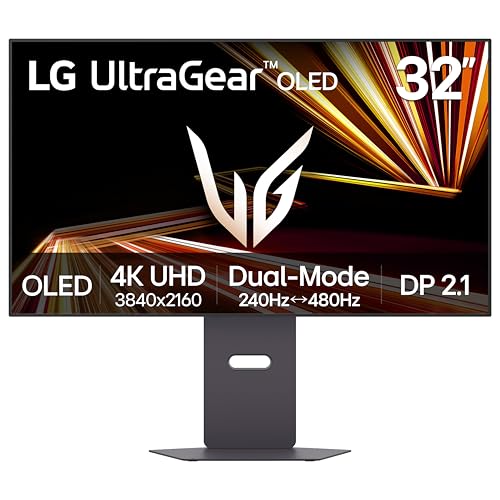
- 4K 240Hz or FHD 480Hz dual mode
- 0.03ms response and HDR True Black 400
- USB-C, DP 2.1, built-in speakers
Best For: Large-screen gaming with flexible speed and resolution modes
Sharp QD-OLED Value

- 27-inch QHD QD-OLED with 10-bit color
- 240Hz and 0.03ms response time
- OLED Care 2.0 plus graphene heatsink
Best For: Color-accurate 1440p gaming with strong motion performance
Flagship 32-inch 4K speed monitor

- 4K QD-OLED with 240Hz and 0.03ms response
- 99% DCI-P3 color with ΔE≤2 accuracy
- USB-C 98W, HDMI 2.1, DP 2.1a, and KVM
Best For: High-end gamers wanting a large, fast 4K OLED
Dual-mode 4K/330Hz OLED pick

- Switches between 4K/165Hz and FHD/330Hz
- 0.03ms response with glossy OLED panel
- G-SYNC, FreeSync Premium, and HDR10+ Gaming
Best For: Gamers who want flexible speed and resolution options
Elite QHD Speed OLED
ASUS ROG XG27AQDMGR 27" 240Hz Glossy OLED

- 27-inch QHD WOLED with 240Hz and 0.03ms response
- OLED Care Pro with Neo Proximity Sensor for burn-in protection
- 99% DCI-P3, true 10-bit color, and DisplayHDR 400 True Black
Best For: Competitive gamers who want a fast 27-inch QHD OLED with strong protection features
Dual-Mode 4K Showcase
LG UltraGear 32GX850A-B 32" Glossy OLED

- 32-inch 4K glossy OLED with dual mode 165Hz/330Hz
- Micro Lens Array+ and True Black 400 for brighter OLED output
- G-SYNC Compatible, FreeSync Premium Pro, and adjustable stand
Best For: Gamers who want a large 4K OLED that can switch to high-refresh full HD
Elite QHD Glossy Pick – ASUS ROG XG27AQDMG 27" 240Hz OLED
If you want commercial-grade OLED gaming monitors that also work well for creator tasks, the ASUS ROG XG27AQDMG stands out for its glossy 26.5-inch QHD panel, 240Hz refresh rate, and 0.03ms response time. It blends fast competitive performance with 99% DCI-P3 coverage and third-generation WOLED improvements that help with brighter full-white windows and clearer text.
Best For: Fast-paced gaming plus content creation on a sharp 1440p OLED with strong burn-in protection.
Pros:
- 240Hz refresh rate and 0.03ms response time for ultra-fast motion handling
- OLED Care, custom heatsink, and burn-in coverage add peace of mind
- 99% DCI-P3 color and G-SYNC Compatible support suit gaming and editing
- Uniform Brightness setting helps keep luminance consistent
Cons:
- Glossy finish may show reflections in bright rooms
- 26.5-inch size may feel smaller than 32-inch alternatives
- 1440p resolution is less detailed than 4K options
This is a strong pick if you want a responsive OLED with better thermal and panel-care features than many basic gaming displays. It is especially compelling for buyers who value sharp motion, good color, and warranty coverage.
Big-Screen Dual-Mode Flagship – LG 32GX870A-B 32" 4K OLED
Among commercial-grade OLED gaming monitors, the LG 32GX870A-B is built for buyers who want one display for cinematic play and high-speed esports. Its 32-inch 4K OLED panel can run at 240Hz in UHD or switch to Full HD at 480Hz, while the 0.03ms response time and HDR True Black 400 certification reinforce its premium positioning.
Best For: Buyers who want a large OLED with dual-mode flexibility for both immersive AAA games and ultra-fast competitive play.
Pros:
- Dual Mode lets you choose 4K/240Hz or Full HD/480Hz
- Micro Lens Array+ delivers up to 1300 nits peak brightness
- G-SYNC Compatible and FreeSync Premium Pro support smooth motion
- Built-in speakers, USB-C, and DP 2.1 improve flexibility
Cons:
- 32-inch 4K OLED is a larger, pricier setup
- Matte finish may not appeal if you prefer glossy OLED contrast
- Dual-mode focus may be more than some users need
If you want one of the most versatile OLED gaming monitors in this group, the LG gives you both high-resolution immersion and extreme refresh-rate headroom. It is a premium choice for users who want a do-it-all display without sacrificing speed.
Sharp QD-OLED Value – MSI MAG 274QP QD-OLED X24 27"
The MSI MAG 274QP QD-OLED X24 is aimed at buyers looking for commercial-grade OLED gaming monitors with strong color, fast motion, and practical protection features. Its 27-inch QHD QD-OLED panel delivers 240Hz performance, 0.03ms response, 10-bit color, and an enhanced sub-pixel layout for improved sharpness.
Best For: Gamers who want a color-rich 1440p QD-OLED with fast response and useful built-in protection tools.
Pros:
- QD-OLED panel with 99% DCI-P3 and 10-bit color
- 240Hz refresh rate and 0.03ms response for fast gameplay
- Graphene heatsink and OLED Care 2.0 support durability
- HDMI 2.1 and DP 1.4a cover PC and console setups
Cons:
- 27-inch 1440p panel is less detailed than 4K models
- Glossy finish may pick up room reflections
- Feature set is gaming-focused rather than office-first
This MSI model offers a balanced blend of speed, color accuracy, and panel-care features. It makes sense for users who want QD-OLED image quality without moving up to a larger 4K display.
Affordable QD-OLED All-Rounder – Samsung Odyssey OLED G5 27" QHD
The Samsung 27-inch Odyssey OLED G5 targets buyers who want commercial-grade OLED gaming monitors with strong image quality and straightforward gaming features. Its QD-OLED QHD panel, 180Hz refresh rate, and 0.03ms response time deliver quick action, while Glare Free technology and OLED Safeguard help make everyday use more practical.
Best For: Players who want a QD-OLED monitor with good speed, accurate color, and easier day-to-day viewing.
Pros:
- QD-OLED panel offers strong color accuracy and brightness
- 180Hz refresh rate and 0.03ms response time suit fast games
- Glare Free coating reduces reflections in bright spaces
- OLED Safeguard and Auto Source Switch+ add convenience
Cons:
- 180Hz is lower than the 240Hz models in this roundup
- Does not include the larger-screen or dual-mode flexibility of some rivals
- Feature details are lighter than the more premium options
The Samsung G5 is a practical choice if you want OLED image quality without jumping to the most expensive tier. It balances speed, brightness, and usability in a format that should fit many gaming setups.
Flagship 32-inch 4K speed monitor – MSI MPG 322UR QD-OLED X24
If you want commercial-grade OLED gaming monitors that blend high-end visuals with serious responsiveness, the MSI MPG 322UR QD-OLED X24 is built for that role. It combines a 31.5-inch 4K UHD QD-OLED panel, 240Hz refresh, and a 0.03ms response time, making it a strong fit for players who want both cinematic detail and fast motion handling.
Best For: Gamers who want a 32-inch 4K OLED display with top-tier speed, wide color, and flexible connectivity.
Pros:
- 4K UHD QD-OLED panel with 240Hz refresh and 0.03ms response time
- 99% DCI-P3 color coverage with ΔE≤2 for accurate, vibrant visuals
- DisplayHDR True Black 500 support and DarkArmor Film for deeper blacks
- USB-C with 98W power delivery plus HDMI 2.1, DisplayPort 2.1a, and KVM support
Cons:
- Large 32-inch 4K format may require a powerful GPU to fully use
- Glossy screen finish may not suit every lighting setup
Overall, this MSI model is the most feature-packed option in the group for buyers who want a premium OLED gaming monitor with modern connectivity and strong HDR credentials. Its mix of size, speed, and color accuracy makes it especially compelling for high-end gaming setups.
Dual-mode 4K/330Hz OLED pick – Samsung Odyssey OLED G7 G73SH
For buyers comparing commercial-grade OLED gaming monitors, the Samsung 32-inch Odyssey OLED G7 stands out for its dual-mode flexibility. It delivers 4K at 165Hz for detailed play, or Full HD at 330Hz when you want maximum motion speed, all on a glossy OLED panel with near-instant 0.03ms response.
Best For: Players who want one monitor that can switch between sharp 4K gaming and ultra-high-refresh competitive play.
Pros:
- Dual Mode supports 4K at 165Hz or Full HD at 330Hz
- 0.03ms response time helps keep motion crisp and responsive
- VESA DisplayHDR True Black 400 and HDR10+ Gaming improve contrast and depth
- Pantone Validated screen plus G-SYNC Compatibility and FreeSync Premium support
Cons:
- True Black 400 is a step below higher-tier OLED HDR certifications
- Dual-mode setup may be more than some casual players need
This Samsung model is a smart pick if you want one OLED display that can adapt between visual quality and competitive speed. Its standout selling point is the ability to pivot between two gaming styles without changing monitors.
Bright 27-inch QHD speed monitor – LG UltraGear 27GX700A-B
If you are shopping commercial-grade OLED gaming monitors for a smaller desk setup, the LG 27GX700A-B offers a focused mix of speed and brightness. This 27-inch QHD OLED monitor reaches up to 280Hz with a 0.03ms response time, while its Primary RGB Tandem tech is designed to push brightness higher than typical OLED gaming panels.
Best For: Competitive players who want a bright 27-inch OLED monitor with very high refresh rates.
Pros:
- Up to 280Hz refresh rate with 0.03ms response time
- Primary RGB Tandem tech and up to 1500 nits brightness
- DisplayHDR True Black 500 with UL Verified Perfect Black and Perfect Color
- G-SYNC Compatible, FreeSync Premium Pro, and HDMI 2.1 support
Cons:
- 27-inch QHD resolution offers less screen space than 32-inch 4K options
- Best brightness benefits are most relevant in bright scenes and varied lighting
Among premium OLED gaming choices, this LG is the most speed-focused option here. It is a practical pick if you prioritize fast reaction time, bright HDR performance, and a size that fits more compact gaming setups.
Elite QHD Speed OLED – ASUS ROG XG27AQDMGR 27" 240Hz Glossy OLED
If you want commercial-grade OLED gaming monitors that prioritize speed and image quality, the ASUS ROG XG27AQDMGR is built around a 27-inch 1440p WOLED panel with a 240Hz refresh rate and 0.03ms response time. Its glossy TrueBlack finish, 99% DCI-P3 color, and DisplayHDR 400 True Black support make it a strong fit for players who want crisp motion and deep contrast in a compact desktop setup.
Best For: Fast-paced gaming on a 27-inch QHD OLED with strong burn-in protection and accurate color.
Pros:
- 240Hz refresh rate with 0.03ms response time for smooth, responsive gameplay
- ASUS OLED Care Pro with Neo Proximity Sensor helps reduce burn-in risk
- 99% DCI-P3, true 10-bit color, and Delta E < 2 for accurate HDR visuals
- 3-year warranty includes ARR and burn-in coverage
Cons:
- 27-inch 1440p size may feel smaller than 32-inch alternatives
- Glossy finish may not suit brightly lit rooms
- Only one HDMI port listed in the supplied specs
This is a practical choice if you want a premium OLED monitor that leans hard into competitive speed without giving up color quality. The built-in protection features and warranty coverage also make it easier to recommend for long-term use.
Dual-Mode 4K Showcase – LG UltraGear 32GX850A-B 32" Glossy OLED
Among commercial-grade OLED gaming monitors, the LG 32GX850A-B stands out for users who want a larger 32-inch 4K glossy OLED panel with the flexibility to switch between 4K at 165Hz and Full HD at 330Hz. It also adds Micro Lens Array+ brightness tuning, True Black 400 certification, and a highly adjustable stand, making it well suited to mixed gaming setups.
Best For: Players who want a 32-inch 4K OLED for story games, plus a high-refresh dual mode for faster genres.
Pros:
- Dual mode support: 4K UHD 165Hz or Full HD 330Hz via hotkey
- 32-inch glossy OLED panel with 4K resolution for sharp detail
- Micro Lens Array+ and 275 nits typical brightness improve overall visibility
- G-SYNC Compatible, FreeSync Premium Pro, and a fully adjustable stand
Cons:
- At 32 inches, it takes more desk space than smaller monitors
- Glossy panel may reflect more than matte alternatives
- Brightness is solid, but not as aggressively highlighted as the refresh-rate features
This monitor is a strong pick if you want one display that can handle both cinematic 4K gaming and faster competitive play. The stand adjustability and eye-comfort certifications add practical value for long sessions.
4K Extreme Refresh OLED – ASUS ROG XG32UCWMG 32" 240Hz
If you’re shopping for commercial-grade OLED gaming monitors with a focus on versatility, the ASUS ROG XG32UCWMG brings a 32-inch 4K TrueBlack glossy WOLED panel with dual mode operation: 4K at 240Hz or FHD at 480Hz. It also pairs 0.03ms response time with G-SYNC compatibility, DisplayWidget Center software, and USB-C connectivity, so it fits gaming and productivity workflows alike.
Best For: Enthusiasts who want a premium 32-inch OLED for both 4K immersion and ultra-high-refresh competitive play.
Pros:
- Dual mode support: 4K@240Hz and FHD@480Hz
- TrueBlack glossy panel with 99% DCI-P3 and true 10-bit color
- ASUS OLED Care Pro with Neo Proximity Sensor helps protect the panel
- USB-C with 15W power delivery plus HDMI 2.1 and DisplayPort 1.4 DSC
Cons:
- Premium feature set likely puts it at the high end of the market
- Glossy finish may be less ideal in bright rooms
- Built for advanced users, so some features may be more than casual buyers need
This is the most versatile option here if you want one OLED monitor to cover everything from high-resolution single-player gaming to very fast esports play. Its protection tools, color accuracy, and connectivity make it especially appealing for serious setups.
How We Picked the Best Commercial-Grade OLED Gaming Monitors
We focused on Commercial-Grade OLED Gaming Monitors that balance real-world gaming performance with practical ownership. That means strong panel quality, competitive refresh rates, low response times, solid HDR capability, and modern connectivity for PCs and consoles.
We also favored models with clear positioning: 1440p options for high-FPS esports and 4K options for players who want sharper detail, larger screens, or a more premium setup.
Quick Comparison
At a high level, 27-inch 1440p monitors are the fastest path to smooth competitive gaming, while 32-inch 4K models are better for immersive play, single-player titles, and content work. Dual-mode displays add flexibility if you want one monitor that can trade resolution for higher frame rates when needed.
Key Buying Factors for Commercial-Grade OLED Gaming Monitors
Resolution and Size
Choose 27-inch 1440p if you prioritize frame rate and desk efficiency. Choose 32-inch 4K if you want more detail, more screen real estate, and a stronger fit for cinematic games or mixed use.
Refresh Rate and Response Time
For Commercial-Grade OLED Gaming Monitors, refresh rate matters most in fast shooters and esports. 240Hz is a strong baseline, while 280Hz and dual-mode options can offer extra headroom for competitive players. OLED response times are typically excellent, so motion clarity is usually more limited by your GPU and game settings than by the panel itself.
HDR, Color, and Panel Finish
OLED’s biggest advantage is contrast, but HDR performance and color tuning still vary. Look for wide-gamut coverage, strong calibration, and brightness handling that matches your room. Glossy panels can look more vivid, while matte-like finishes may manage reflections better.
Connectivity and Console Support
HDMI 2.1, DisplayPort, and adaptive sync support matter if you switch between PC and console gaming. If you plan to use the monitor across multiple systems, make sure the inputs and bandwidth match your target refresh rate at native resolution.
Who Should Buy Which Commercial-Grade OLED Gaming Monitors?
Competitive PC gamers should lean toward 27-inch 1440p models with high refresh rates and fast response times. Players who want the best mix of image quality and immersion should look at 32-inch 4K options. If you want maximum flexibility, dual-mode OLED gaming monitors are the smartest pick because they can adapt to both fast-paced and visual-first gaming.
In short, the best Commercial-Grade OLED Gaming Monitors are the ones that match your GPU power, desk space, and gaming priorities—not just the highest spec sheet on paper.
