
When precision matters in your work, the right calibration tools can make all the difference. You’ll find that each of these top ten calibration devices comes with software suites designed to enhance usability and accuracy. From colorimeters to digital calipers, each tool has unique features tailored to your needs. But, how do you decide which one is best for your specific applications? Let’s explore the options available to you.
Portable Colorimeter, D/8 Structure

If you’re searching for a reliable tool for color measurement in various industries, the Portable Colorimeter with a D/8 structure is your top choice. This compact device features an 8mm caliber and a built-in integrating sphere that guarantees accurate light measurement through a light-splitting principle. With support for 26 evaluation light sources and 33 measurement parameters, you can easily analyze colors in multiple formats like RGB and Lab. Plus, it offers four color difference formulas and 19 electronic color cards, making it versatile for any application. Its massive storage capacity enhances usability, assuring you keep all your data organized and accessible.
Best For: Professionals in industries requiring precise color measurement and analysis, such as printing, textiles, and manufacturing.
Pros:
- High Accuracy: Built-in integrating sphere and light-splitting principle ensure reliable measurements.
- Versatile Options: Supports multiple light sources and measurement parameters, accommodating various applications.
- Extensive Data Storage: Massive storage capacity allows for organized data management and easy access.
Cons:
- Learning Curve: May require time to familiarize users with the software and various measurement options.
- Size Limitations: While portable, the dimensions may not fit comfortably in all pocket sizes for on-the-go use.
- Battery Dependency: Requires a Lithium Polymer battery, which might need replacing over time.
Sangabery Digital Caliper with Large LCD Screen

The Sangabery Digital Caliper with its large LCD screen is an excellent choice for DIY enthusiasts and homeowners seeking precision in their measurements. With a measurement range of 0 to 6 inches and four modes—inside and outside diameter, depth, and step—it adapts to various tasks. Its durable carbon fiber composite design guarantees it won’t scratch surfaces, while the lightweight build adds portability. You’ll appreciate the zero setting function for easy differential measuring and the auto shut-off feature after five minutes. Rated 4.4 out of 5 stars by over 13,500 users, it’s a reliable tool for your projects.
Best For: DIY enthusiasts and homeowners looking for a precise and easy-to-use measuring tool for various tasks.
Pros:
- Large LCD screen enhances readability for accurate measurements.
- Durable carbon fiber composite construction prevents surface scratches.
- Lightweight and portable design makes it convenient for on-the-go use.
Cons:
- Limited measurement range of 0 to 6 inches may not suit all needs.
- Some users might prefer a metal caliper for added durability.
- Auto shut-off feature may interrupt use if not adjusted properly.
ASUS ProArt CaliContrO MCA02 Colorimeter

For professionals in creative fields like photography, videography, and graphic design, the ASUS ProArt CaliContrO MCA02 Colorimeter stands out as an essential tool for color calibration. This 3-in-1 device guarantees long-term color accuracy by supporting both hardware and software monitor calibration. It measures brightness up to 10,000 nits, allowing for precise HDR calibration across various display technologies, including LED and OLED. With an intuitive 5-way navigator and integrated ASUS Dial for customizable shortcuts, you can easily access settings and control your software. The package includes a USB-C cable, counterweight, quick start guide, and warranty card for added convenience.
Best For: Professionals in creative fields such as photography, videography, and graphic design who require precise color calibration.
Pros:
- Supports both hardware and software monitor calibration for long-term color accuracy.
- Measures brightness up to 10,000 nits enabling precise HDR calibration.
- Intuitive user interface with a 5-way navigator and customizable ASUS Dial for efficient software control.
Cons:
- May be overkill for casual users who do not require professional-level calibration.
- The price point may be higher than entry-level colorimeters.
- Limited compatibility with older display technologies not mentioned in the specifications.
Calibrite Display Pro HL Monitor Calibration Colorimeter
Designed specifically for professionals in photography and design, the Calibrite Display Pro HL Monitor Calibration Colorimeter excels with its high luminance sensor, accurately measuring brightness levels up to 3000 nits. It’s compatible with LCD, Mini LED, and OLED displays, ensuring precise tone and color consistency. The included Calibrite PROFILER software offers both Basic and Advanced modes, allowing you to adjust settings like white point and gamma easily. With features like Quick Check and profile validation, you can verify monitor performance and reduce glare errors, making it an essential tool for consistent results across multiple workstations.
Best For: Professionals in photography and design who require precise color calibration for high luminance displays.
Pros:
- High luminance sensor for accurate brightness measurement up to 3000 nits, ideal for modern displays.
- Calibrite PROFILER software offers flexible adjustment options and supports multiple workstations for consistent results.
- Validation and workflow tools ensure monitor performance verification and reduce glare errors.
Cons:
- Limited to a maximum resolution of 2560×1440 pixels, which may not suit all users.
- The weight of 0.3 pounds may feel slightly bulky for portable use.
- Some users may find the software’s advanced features overwhelming initially.
Calibrite Display 123 Monitor Calibration Colorimeter

Photographers and creators seeking precise color accuracy will find the Calibrite Display 123 Monitor Calibration Colorimeter an invaluable tool. Its easy 1 2 3 software workflow simplifies the calibration process, making it accessible for anyone. With a USB-C connection and support for up to two displays, you can guarantee color consistency across your workspace. The compact design and adjustable counterweight allow for ideal screen placement. After calibration, the built-in comparison view highlights differences, confirming your improvements. This colorimeter effectively corrects monitor shifts, delivering truer tones and reliable contrast for every editing session, so your images look just as you intend.
Best For: Photographers and creators who need precise color accuracy for editing and viewing across multiple displays.
Pros:
- Easy 1 2 3 software workflow simplifies the calibration process for users of all skill levels.
- Supports dual display calibration, ensuring color consistency across multiple monitors.
- Compact design with adjustable counterweight allows for optimal placement on various screens.
Cons:
- Limited to USB-C connections, which may not be compatible with all devices without an adapter.
- May require additional time for first-time users to fully understand the calibration process.
- Potentially less effective on older monitors that may not support modern calibration standards.
High-Precision Digital Stylus Force Gauge for Turntable Setup

Audiophiles and casual listeners alike will appreciate the High-Precision Digital Stylus Force Gauge, engineered for precise turntable setup with an accuracy of 0.01g. This versatile tool helps you adjust stylus force, preserving your vinyl records’ integrity. Regular checks are recommended, especially after moving your turntable or after playing 4-5 records. With features like multiple measurement units, tare functions, and an easy-to-read display, it’s user-friendly for everyone. The complete accessory kit, including an extra stylus and a protective carry case, guarantees you’re prepared for emergencies and routine maintenance, enhancing your listening experience and extending your gear’s life.
Best For: Audiophiles and casual listeners seeking precise turntable setup to enhance their vinyl listening experience.
Pros:
- High accuracy of 0.01g ensures optimal stylus force adjustments.
- User-friendly design with an easy-to-read display suitable for all experience levels.
- Complete accessory kit includes extra stylus and protective case for convenience.
Cons:
- Regular calibration checks are necessary for accurate readings.
- May require time to familiarize beginners with setup and functions.
- Battery replacement is needed periodically, which could be inconvenient.
HARDELL Digital Caliper with Large LCD Screen

If you’re looking for a reliable tool for precision measurement, the HARDELL Digital Caliper with its large LCD screen stands out as an excellent choice for DIY enthusiasts, jewelers, and woodworkers alike. This rechargeable caliper features a stainless steel body and offers measurements in inches, millimeters, and fractions. With a measuring range of 0-6 inches and an accuracy of ±0.001 mm, it’s perfect for various applications. Plus, its user-friendly design includes an ergonomic thumb roller and auto-off feature to save battery. A full charge lasts three months, making it both eco-friendly and efficient for your precision needs.
Best For: DIY enthusiasts, jewelers, and woodworkers who require precise measurements in their projects.
Pros:
- Rechargeable battery that lasts up to 3 months on a full charge, reducing the need for disposable batteries.
- Large LCD screen for easy visibility in various lighting conditions, enhancing usability.
- Multiple measurement modes allowing versatility for different applications, including inner and outer diameters.
Cons:
- Measuring range limited to 0-6 inches, which may not be sufficient for larger projects.
- Auto shutdown feature may be inconvenient for users who need to take multiple measurements in quick succession.
- Requires charging, which might be a drawback for users who prefer traditional battery-operated tools.
Test Probe w/ Calibration Gauge & Wrench
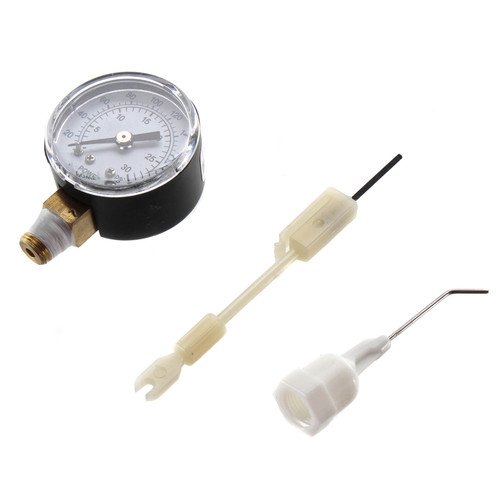
The Test Probe w/ Calibration Gauge & Wrench is an essential tool for technicians and engineers who demand precise measurements in their work. Manufactured by Siemens, this reliable instrument boasts a perfect 5.0-star rating from satisfied users, highlighting its effectiveness. First available on September 16, 2020, it’s ranked well in the test probes category. The included calibration gauge guarantees accurate readings, while the wrench adds convenience for adjustments. With Amazon’s 30-day return guarantee, you can purchase with confidence. If you find a better price, you can report it easily. Elevate your measurement game with this indispensable tool!
Best For: Technicians and engineers seeking precise measurement tools for their work.
Pros:
- High accuracy with the included calibration gauge ensures reliable measurements.
- Convenient design includes a wrench for easy adjustments on the go.
- Excellent customer satisfaction, reflected in its perfect 5.0-star rating from users.
Cons:
- Limited availability, as it may not be found in all retail locations.
- Higher price point compared to basic test probes without calibration features.
- Niche product, may not be necessary for casual DIY users or non-professionals.
Lens Focus Calibration Tool Alignment Ruler Folding Card(Pack of 2)
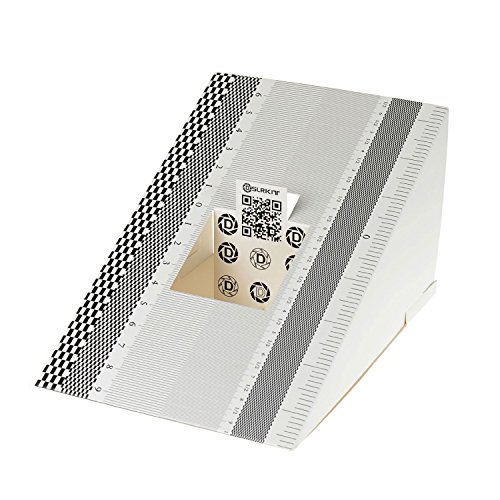
For photographers seeking to perfect their focus accuracy, the Lens Focus Calibration Tool Alignment Ruler Folding Card (Pack of 2) is an essential asset. Measuring 19*12.3cm, these lightweight cards help you determine your lens’s autofocus precision, especially in shallow depth of field scenarios. Simply set up the ruler, level your camera, and use the widest aperture to focus on the central QR code. Snap a photo, then check for sharpness at the 0 mark. Adjust your camera’s autofocus settings based on your findings to guarantee crystal-clear images every time. With a solid 4.3-star rating, it’s a reliable choice.
Best For: Photographers looking to enhance their autofocus accuracy for sharp images, particularly in shallow depth of field situations.
Pros:
- Easy to use with clear instructions for accurate autofocus adjustments.
- Compact and lightweight design makes it portable and convenient for on-the-go photography.
- High customer satisfaction with an average rating of 4.3 out of 5 stars.
Cons:
- Limited to specific camera mounts (Canon EF, Nikon F, Sony E), which may exclude some users.
- Requires a learning curve for those unfamiliar with autofocus calibration techniques.
- No image stabilization feature, which may affect results if the camera is not steady during testing.
Datacolor SpyderExpress

Professionals in photo editing and graphic design will find the Datacolor SpyderExpress an invaluable tool for achieving precise color calibration. This compact calibrator, measuring 2.6 x 4.8 inches and weighing just 5 ounces, supports the latest Liquid Retina XDR displays and calibrates up to three connected screens. It’s three times faster than typical entry-level tools, delivering edit-ready colors in just 90 seconds. The software is easy to use—simply download, plug in the device, and follow three steps. Plus, you can upgrade features like ambient light adjustment without needing new hardware, enhancing your workflow seamlessly.
Best For: Professionals in photo editing, graphic design, and content production seeking quick and precise color calibration.
Pros:
- Fast calibration: Achieves edit-ready colors in just 90 seconds, three times faster than typical entry-level tools.
- Multi-display support: Capable of calibrating up to three connected displays per workstation for enhanced productivity.
- Upgradable software: Allows users to enhance functionality with features like ambient light adjustment without needing new hardware.
Cons:
- Mixed customer ratings: Customer rating of 3.9 out of 5 stars indicates some users may have experienced issues.
- Limited warranty information: Warranty details are not explicitly provided, which may concern some buyers.
- Best Sellers Rank: Ranked #662 in Computer Monitor Accessories, suggesting it may not be a top choice among consumers.
Factors to Consider When Choosing Calibration Tools With Software Suites
When choosing calibration tools with software suites, you need to take into account several key factors. Think about your accuracy and precision requirements, the types of displays you’ll be using, and how quickly you need the calibration done. Also, evaluate the software’s usability, features, and its connectivity options to guarantee compatibility with your setup.
Accuracy and Precision Requirements
Selecting the right calibration tools requires careful consideration of accuracy and precision requirements. You should look for tools with a specified accuracy range, ideally ±0.2mm or better, to guarantee reliable measurements. Precision is just as important; devices capable of measuring down to 0.0005 units are ideal for high-detail tasks. If you’re working with HDR displays, verify your tools can measure brightness up to 10,000 nits for accurate calibration. Additionally, choose tools that support multiple measurement parameters like RGB, Lab, and XYZ to meet various industry standards. Finally, remember to schedule regular calibration checks, especially for tools frequently moved or exposed to changing environments, to maintain their accuracy over time.
Supported Display Types
Calibration tools must cater to a wide range of display types, including LCD, OLED, and Mini-LED, to confirm you can work effectively across various devices. It’s vital to select tools that can measure brightness levels up to 10,000 nits, especially for accurate HDR display calibration. If you’re using dual or triple monitor setups, look for tools that handle multiple connected displays per workstation to streamline your calibration process. Additionally, consider software that adjusts for ambient light conditions, enhancing color accuracy in different environments. Finally, verify compatibility with the latest display technologies, like Liquid Retina XDR, to keep pace with advancements and maximize your calibration effectiveness across all devices.
Calibration Speed and Efficiency
Choosing the right calibration tools involves not just compatibility with various display types but also their speed and efficiency in delivering results. Look for tools that minimize setup time—some devices can achieve edit-ready color calibration in as little as 90 seconds. Consider tools that support multiple displays simultaneously, allowing you to calibrate up to three displays per workstation. Enhanced software features, like ambient light adjustment and multi-display profiling, can automate many adjustments, streamlining the process. A user-friendly software interface can guide you through calibration, markedly improving efficiency. Finally, make sure the tool offers regular software upgrades to enhance speed and functionality, keeping it effective as technology evolves without needing new hardware.
Software Usability and Features
When evaluating calibration tools, the usability of their software can greatly impact your calibration experience. Look for tools that offer user-friendly interfaces, allowing for quick and intuitive setups. Advanced functionalities, like ambient light adjustment and multi-display profiling, enhance color accuracy, so consider these features as well. Regular software upgrades are essential, ensuring compatibility with new display technologies and improved calibration capabilities. Opt for software that provides both basic and advanced modes to cater to users of varying expertise. Additionally, features like before-and-after comparison views help you easily confirm calibration improvements. All these aspects contribute to a seamless and effective calibration process, making it easier for you to achieve the precision you need.
Connectivity Options and Compatibility
Understanding connectivity options and compatibility is essential for selecting the right calibration tools. First, consider the type of connectivity, like USB Type-C or USB-A, as this impacts how well the tool integrates with your devices. Confirm the software suite works with your operating system—macOS, Windows, or Linux—to avoid any functionality issues. Look for tools that support various display types, including LCD, OLED, and Mini-LED, confirming versatility across different setups. Additionally, check if the calibration software allows for upgrades or added features, enhancing future connectivity options. Finally, consider tools that can calibrate multiple displays simultaneously, as this not only saves time but also improves workflow efficiency in multi-monitor environments.
Portability and Design Considerations
Portability and design are critical factors in selecting calibration tools, especially for professionals on the move. A lightweight design makes it easy for you to transport equipment to various locations, while compact dimensions—like 8.23 x 2.6 x 1.85 inches—allow for convenient storage in tight spaces. Look for ergonomic designs that feature easy-to-read LCD screens and intuitive controls, enhancing your experience during long calibration sessions. The materials matter too; durable carbon fiber composites or stainless steel guarantee longevity and resilience for regular use. Finally, opt for tools with rechargeable batteries and efficient charging options, like Type-C interfaces, to reduce reliance on disposables and keep your devices ready for action whenever you need them.
