
Finding the right telephone audio hardware can be difficult because “interface” may mean a recorder adapter, phone-line splitter, ringer amplifier, or a companion monitoring device. This roundup compares nine budget-friendly options for recording calls, improving ring audibility, and connecting telephone audio to compatible equipment.
Before buying, confirm your phone system, connector type, recording method, and local call-recording rules. The best choice depends less on the lowest price than on whether you need a simple analog connection, a standalone recorder, or accessibility-focused alerting.
Best 9 Budget Telephone Audio Interfaces Picks for 2026
Flexible Recording Setup
ECS Telephone Recorder Adapter

- 3.5mm output for compatible recorders and PCs
- Includes long RJ11 and audio cables
- Inline volume control and dual connection options
Best For: Basic landline call recording with existing equipment
Monitoring Companion
PreSonus HD9 Studio Headphones

- Closed-back over-ear monitoring design
- 45mm drivers with 10Hz–26kHz response
- Includes 10-foot cable and plug adapter
Best For: Monitoring telephone recordings and general wired audio
Ringer Volume Booster
AKOAK Telephone Ringer Amplifier
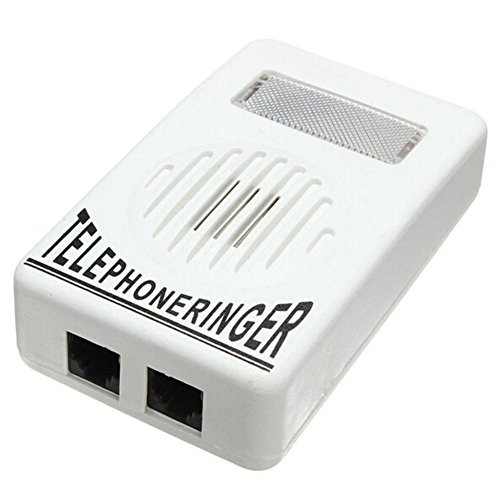
- Boosts incoming landline ring volume
- Adds a flashing light alert
- Offers high- and low-frequency settings
Best For: Louder visual and audible alerts for standard landline phones
Mobile Guitar Pick

- Records guitar, bass, and line-level instruments
- Supports Android, iOS, Mac, and PC
- Lightweight 23 g design
Best For: Mobile instrument recording and practice
Landline Volume Helper
RJ11 Telephone Ringer Amplifier
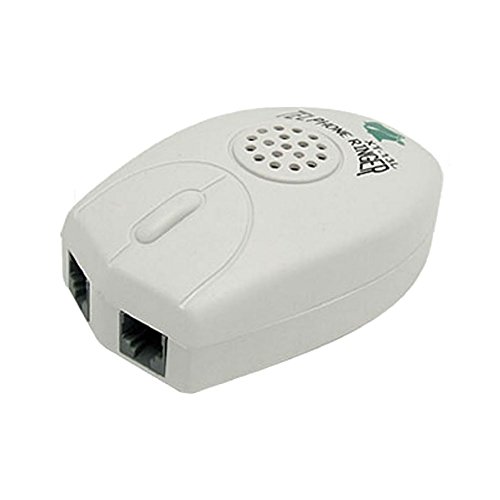
- Amplifies landline telephone rings
- Rated at 75 dB
- Compact single-line accessory
Best For: Making incoming landline calls easier to hear
Call Recording Value
Analog Telephone Adapter Splitter

- Dual RJ11 ports for telephone connections
- 3.5mm output for recording devices
- Two-pack with cables and no external power
Best For: Analog telephone call recording setups
Best Compact Pick

- Includes Lightning, Micro-USB, and USB-C cables
- Offers front, rear, and bidirectional recording
- Supports up to 24-bit/96 kHz audio
Best For: Mobile recording and smartphone-based calls
Best Heavy-Duty Pick

- Works with analog, VoIP, digital, IP, and PABX phones
- Stores more than 970 hours on the included 16GB card
- Supports manual, voltage-triggered, and voice-triggered recording
Best For: Standalone call recording and long-duration voice logging
Flexible Recording Setup – ECS Telephone Recorder Adapter
For shoppers comparing budget telephone audio interfaces, the ECS Telephone Recorder Adapter offers a straightforward way to route landline audio to a recorder or computer with a 3.5mm microphone input. Its included cables and inline volume control make it practical for basic telephone recording setups.
Best For: Landline users who need an affordable adapter for recording calls to compatible analog or digital recording equipment.
Pros:
- Includes a 7-foot RJ11 cable and 7-foot 3.5mm audio cable for flexible placement.
- Works with many recorders, PC sound cards, and devices with 3.5mm microphone or telephone inputs.
- Offers inline volume control and supports connection between the handset and phone or directly to the wall jack.
- Includes the control box, RJ11 T connector, coiled handset cord, and cables.
Cons:
- Designed for compatible landline and analog-audio setups rather than a standalone recorder.
- Requires a recording device with a suitable 3.5mm input.
This ECS adapter is a sensible budget choice when you already have recording equipment and want a complete, cable-rich connection kit for a corded telephone.
Monitoring Companion – PreSonus HD9 Studio Headphones
Among budget telephone audio interfaces and related monitoring gear, the PreSonus HD9 is a useful companion for listening back to recordings or monitoring audio through a 3.5mm connection. Its closed-back design, long cable, and included adapter suit practical desk or studio use.
Best For: Users who need wired over-ear monitoring headphones for telephone recordings, mixing, or general audio playback.
Pros:
- Closed-back, circumaural design provides passive noise control.
- 45mm dynamic neodymium drivers and a 10Hz–26kHz frequency response support monitoring use.
- Handles high power and includes a 10-foot single-sided cable.
- Includes a gold-plated 1/8-inch-to-1/4-inch adapter and storage bag.
Cons:
- Wired design does not provide wireless monitoring.
- Requires a compatible 3.5mm or 1/4-inch audio connection.
- Passive noise control is not active noise cancellation.
The HD9 is not a telephone interface itself, but it can round out a low-cost recording setup with comfortable over-ear monitoring and flexible connector options.
Ringer Volume Booster – AKOAK Telephone Ringer Amplifier
For a different take on budget telephone audio interfaces, the AKOAK Telephone Ringer Amplifier focuses on making incoming landline calls easier to hear rather than recording them. It connects between the phone and wall line, boosting the ring with selectable sound and light alerts.
Best For: Landline users in noisy spaces, people with hearing difficulties, and heavy sleepers who need a louder incoming-call alert.
Pros:
- Boosts the ring volume of standard home phones.
- Includes a light flasher for an additional visual alert.
- Offers a switch for high- or low-frequency ringer sounds.
- Designed for easy installation between the phone and wall line.
Cons:
- Enhances the telephone ring but is not a call-recording interface.
- Designed for standard single-line landline phones.
- Requires corded electric power.
The AKOAK is best viewed as an accessibility-focused telephone alert accessory. It is a practical budget option when the main goal is hearing or seeing incoming calls, not capturing call audio.
Mobile Guitar Pick – Portable Guitar Interface
For shoppers comparing budget telephone audio interfaces, the TC Helicon GO GUITAR is a compact option for recording electric guitar, bass, or line-level instruments directly to a phone, tablet, Mac, or PC. Its single 1/4-inch input and 1/8-inch TRRS connection keep the setup simple for mobile practice and recording.
Best For: Guitarists and bassists who want a lightweight interface for mobile recording and practice.
Pros:
- Records electric guitar, bass, and line-level instruments.
- Works with Android, iOS, Mac, and PC devices.
- Compatible with TC Helicon apps, popular iOS apps, and third-party software.
- Very lightweight at 23 g.
Cons:
- Provides only one channel.
- Its focus is instrument recording rather than telephone-line connectivity.
This is a practical budget pick when your priority is connecting an instrument to a mobile device. Buyers specifically seeking RJ11 telephone recording or landline accessories should consider a different type of interface.
Landline Volume Helper – RJ11 Telephone Ringer Amplifier
Among budget telephone audio interfaces, the AKOAK RJ11 ringer amplifier is aimed at making incoming telephone rings easier to hear. It connects between a landline telephone and the wall phone line, producing a reported 75 dB ring for noisy rooms, heavy sleepers, or people who move away from their phone.
Best For: Landline users who need a louder ring, including people with hearing difficulties or those in noisy spaces.
Pros:
- Boosts the volume of a landline telephone ring.
- Reported 75 dB output for clearer notification.
- Compact and lightweight at approximately 0.05 kg.
- Uses a corded electric power source.
Cons:
- Designed to amplify ringing, not to record or process call audio.
- Compatible with single-line landline operation.
This accessory makes sense if the main problem is missing incoming calls because the phone is difficult to hear. It is not a recording adapter or a USB interface, so match it to your need before buying.
Call Recording Value – Analog Telephone Adapter Splitter
For budget telephone audio interfaces focused on call recording, this two-pack analog adapter provides dual RJ11 ports and a 3.5mm audio socket. It is designed to connect a telephone line and recording device for capturing incoming and outgoing conversations without external power.
Best For: Home, business, interview, and documentation setups that need analog telephone call recording.
Pros:
- Supports incoming and outgoing call connections through dual RJ11 ports.
- Includes a 3.5mm audio socket for recording devices.
- Works with single-line and multi-line telephone setups according to the listing.
- Comes as a two-pack with cables included.
Cons:
- Intended for analog, landline, and compatible telephone connections rather than USB audio systems.
- Recording requires a separate device with a 3.5mm input.
- Call-recording laws and consent requirements vary by location.
This is the most directly relevant choice here for telephone audio capture. Its plug-and-play design and included accessories make it useful for basic recording stations, provided your phone and recorder use compatible connections.
Best Compact Pick – iRig Mic Cast HD
For shoppers comparing budget telephone audio interfaces and compact recording gear, the iRig Mic Cast HD is a flexible smartphone microphone. It includes Lightning, Micro-USB, and USB-C cables, supports front, rear, and bidirectional recording, and captures audio at up to 24-bit/96 kHz.
Best For: Mobile recording, video calls, interviews, and creators who need a compact microphone with broad device compatibility.
Pros:
- Works with iPhone, iPad, and Android devices using the included cables.
- Front, rear, and bidirectional recording provide flexible positioning.
- Includes magnetic mounting and headphone monitoring.
- Supports 24-bit/96 kHz audio conversion.
Cons:
- Designed primarily for smartphones and tablets rather than traditional telephone systems.
- Requires a corded connection and lists one recording channel.
This is a strong budget option when portability and phone compatibility matter more than a conventional landline interface. Its magnetic mount and included connectors make setup straightforward for mobile recording.
Best Landline Alert – CEA-40 Ringer Amplifier
Among budget telephone audio interfaces, the CEA-40 is a simple choice for making incoming landline calls easier to notice. It plugs directly into a standard BT telephone wall socket, needs no batteries or mains power, and combines a louder ringer with a flashing light.
Best For: Users who need a straightforward visual and audible alert for a standard landline or BT Digital Voice connection.
Pros:
- Plug-and-play setup with no installation required.
- Telephone-line powered, so no batteries or mains connection are needed.
- Provides ringer amplification up to 95 dB and a bright flashing light.
- Compact, wall-mountable design includes the required connections and wires.
Cons:
- Designed for single-line operation only.
- Does not support conference calling.
- It amplifies the ringer rather than recording or processing call audio.
The CEA-40 is best viewed as a telephone alert accessory rather than a recording interface. Its no-power setup and flashing indicator make it practical for improving call visibility and audibility on compatible landlines.
Best Heavy-Duty Pick – AR120 Telephone Recorder
For buyers seeking budget telephone audio interfaces with recording functionality, the AR120 is a standalone telephone recorder for analog, VoIP, digital, IP, fixed wireless, and PABX systems. Its included 16GB SD card can store more than 970 hours, with manual, voltage-triggered, and voice-triggered recording modes.
Best For: Users who need standalone call recording, long-duration storage, or a device that can also log meetings, lectures, and interviews.
Pros:
- Supports analog landlines, VoIP, digital and IP phones, fixed wireless systems, and PABX.
- Includes a replaceable 16GB SD card with stated capacity beyond 970 hours.
- Offers manual, automatic voltage-triggered, and voice-triggered recording.
- Built-in microphone, speaker, LCD, and keypad support on-device file management.
Cons:
- Requires three AAA batteries.
- Windows-only Log Manager Lite software is specified for computer management.
- Records in mono WAV format.
The AR120 is the most capable recording-focused option here, especially for users managing many calls or extended sessions. Its broad phone compatibility and expandable storage add flexibility, while Windows-only software support is worth noting before purchase.
How We Picked These Budget Telephone Audio Interfaces
We selected products that address common telephone-audio needs at an accessible price: capturing analog calls, splitting a phone line, recording without a computer, increasing ring volume, or monitoring connected audio. We also considered connection type, setup complexity, portability, stated recording specifications, and compatibility with landline or digital phone systems.
Because these products are not interchangeable, the list includes both direct telephone recording accessories and supporting equipment. Headphones and mobile-device interfaces can be useful in a broader audio workflow, but they should not be treated as standalone telephone-line interfaces.
Quick Comparison
| Need | Best type to consider | What to verify |
|---|---|---|
| Basic analog call recording | 3.5mm recorder adapter | Phone jack, recorder input, and cable requirements |
| Recording without a computer | Standalone telephone recorder | Analog, digital, or IP phone compatibility |
| Connecting two telephone accessories | RJ11 splitter | Whether both connected devices can operate together |
| Louder or more visible ringing | Ringer amplifier with flashing light | Maximum volume, power source, and mounting method |
| Monitoring recorded audio | Closed-back headphones | Connector, comfort, and source-device output |
Key Buying Factors for Budget Telephone Audio Interfaces
Phone-System Compatibility
Start by identifying whether you use a traditional analog landline, a digital voice service, a PBX, or an internet-based phone adapter. An RJ11 plug does not guarantee universal compatibility. Some recorders work only with analog lines, while others specifically support digital or IP systems.
Recording Connection and Control
Adapters with 3.5mm outputs generally require a separate recorder, computer, or compatible mobile device. Standalone units simplify the setup but may have different storage, playback, and call-control features. Check whether the product records both sides of a conversation and whether recording starts automatically or manually.
Alerting, Volume, and Accessibility
If the main problem is missing incoming calls, a ringer amplifier with a flashing light may be more appropriate than a recording interface. Compare advertised loudness, visual-alert brightness, power requirements, and placement options. Very loud ringers may not suit every household or office.
Audio Monitoring and Accessories
Closed-back headphones can help you review recordings with less ambient noise, but they do not replace the telephone adapter. Microphone and guitar interfaces are designed for other signal sources unless their specifications explicitly support telephone audio.
Who Should Buy Which Budget Telephone Audio Interfaces?
Choose a simple recorder adapter if you already own a compatible recording device and want the least complicated low-cost setup. Select a standalone recorder if you want dedicated operation and fewer computer dependencies. An RJ11 splitter is useful when your installation needs both a telephone and recording accessory, provided the line and devices support that arrangement.
For users who struggle to hear incoming calls, choose a ringer amplifier with a light rather than paying for recording features you will not use. Add monitoring headphones only when reviewing audio is important. Finally, verify regional recording-consent requirements before capturing calls, and test the complete setup with a noncritical call before relying on it.
