
Budget electronic wind instruments make it easier to practice quietly, explore synth-like tones, and play anywhere without the bulk of a traditional horn.
Whether you want a beginner-friendly option or a portable stage-ready pick, this roundup focuses on value, usability, and features that matter most.
Best 10 Budget Electronic Wind Instruments Picks for 2026
Budget Starter
Vangoa EWI-100 Portable Mini Digital Wind Instrument

- 10 built-in tones for varied practice
- 3 breath sensitivity levels
- Headphone and speaker support
Best For: Beginners and kids needing a simple portable option
Family Friendly
Carry On Digital Wind Instrument White

- 3 breath sensitivity levels
- MIDI over Bluetooth with 10 voices
- Headphone socket for silent practice
Best For: Kids and families wanting a portable starter instrument
Feature Packed
KONIX DC02 Pro Digital Wind Instrument

- 10 tones with MIDI Bluetooth support
- 2 finger styles and 3 breath sensitivities
- Speaker, headphone, and carry-case included
Best For: Beginners wanting extra control and sound variety
Pro Value
Coolmusic S1 Wireless Electronic Wind Instrument
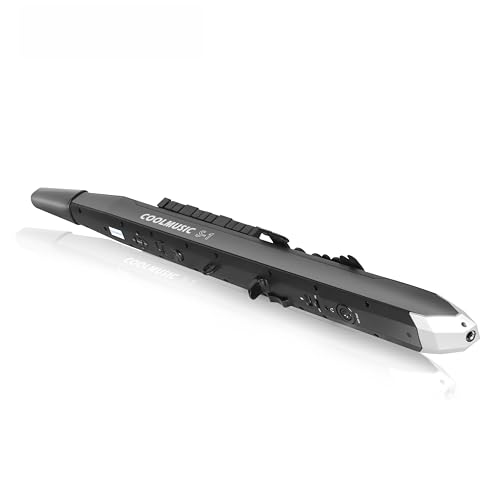
- 72 timbres with user library support
- 8 to 12 hours of battery life
- LCD display with headphone monitoring
Best For: Players wanting the most advanced feature set in this group
Budget Feature-Rich Pick
EX Electric Digital Wind Instrument

- 12 tones and 3 fingering modes
- 3-octave range with transpose
- Bluetooth MIDI, speaker, and rechargeable battery
Best For: Beginners and students who want the most features for the money
Compact Practice Choice
Portable Digital Wind Instrument

- Compact ABS body for easy handling
- Lightweight and travel-friendly
- Includes mouthpiece, USB cord, and storage bag
Best For: Portable practice and rehearsal use
Compact Starter Choice
Mini Saxophone Digital Wind Instrument

- 10 tones with easy switching
- Built-in 2W HiFi speaker
- MIDI support plus 12 accompaniments
Best For: Students and beginners who want a small, versatile starter
Best with Extra Features
EX Electric Digital Wind Instrument

- 12 tones with 3 fingering modes
- Bluetooth MIDI and rechargeable battery
- Includes case, earphones, and cable
Best For: Beginners and students wanting an affordable, easy-to-use EWI
Feature-Rich Budget Pick
Costzon Mini Digital Saxophone

- 100 tones and 4-octave range
- Wireless MIDI for major platforms
- Lightweight with 12-hour battery life
Best For: Players who want a portable, feature-packed EWI for practice and MIDI
Beginner-Friendly Value Pick
AIJOY AWI-100 Portable Digital Wind Instrument
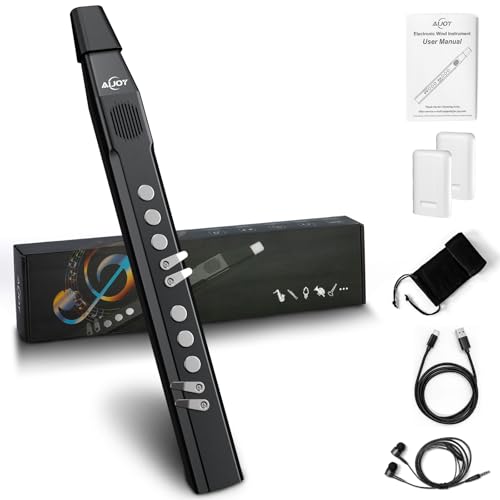
- 27 tones with two beginner-friendly fingerings
- Bluetooth and wired MIDI support
- Built-in speaker plus headphone practice
Best For: Beginners wanting an approachable mini EWI with solid practice features
Budget Starter – Vangoa EWI-100 Portable Mini Digital Wind Instrument
If you’re shopping for budget electronic wind instruments, the Vangoa EWI-100 is a practical entry-level pick with a compact body, built-in tones, and beginner-friendly controls. It gives you enough sound variety and practice flexibility to explore different styles without needing extra gear.
Best For: Kids, adults, and beginners who want an affordable, portable digital wind instrument for home practice or casual playing.
Pros:
- Built-in 10 tones, including saxophone, clarinet, flute, trumpet, violin, harmonica, and recorder sounds.
- 3 adjustable blowing sensitivity levels and two finger styles for more control while learning.
- Speaker output plus headphone support for loud practice or quiet sessions.
- Includes removable washable silicone mouthpieces, USB cable, cloth case, and earphones.
Cons:
- Built-in battery life is listed at about 4 hours per charge, which may be short for longer sessions.
- Designed as a mini instrument, so players wanting a larger feel may prefer another option.
Overall, the EWI-100 offers a solid mix of portability, basic versatility, and practice-friendly features for a low-cost electronic wind instrument.
Family Friendly – Carry On Digital Wind Instrument White
The Carry On Digital Wind Instrument is a strong fit if you want budget electronic wind instruments that are easy to learn and easy to practice quietly. Its small, recorder-like size and kid-friendly features make it a sensible choice for home use, school bags, and first-time players.
Best For: Children, beginners, and families looking for a compact wind instrument with silent practice support.
Pros:
- 3 breath sensitivity levels make it accessible for children of different ages and abilities.
- Built-in speaker and 3.5mm headphone socket allow loud or silent practice.
- 10 built-in voices plus MIDI over Bluetooth for use with apps and sound generators.
- Compact design includes a tote sleeve carry case and a removable washable silicone mouthpiece.
Cons:
- Battery life is listed at up to 3 hours, which is shorter than some alternatives.
- Voice set is useful but still limited compared with more advanced synth-style instruments.
This model stands out for portability and practice flexibility, especially if you want a quiet, beginner-friendly digital recorder-style instrument.
Feature Packed – KONIX DC02 Pro Digital Wind Instrument
For shoppers comparing budget electronic wind instruments with more advanced features, the KONIX DC02 Pro adds extra sound options and deeper playability. It’s built for beginners who want room to grow, with Bluetooth MIDI, adjustable sensitivity, and a practice setup that still stays portable.
Best For: Beginners who want a more flexible digital wind instrument with strong tone variety and practice features.
Pros:
- Built-in 10 tones, including saxophone, clarinet, panpipe, trumpet, violin, harmonica, flute, bamboo flute, and recorder.
- Two finger styles and 3 adjustable blowing sensitivity levels help capture playing changes.
- Speaker output and headphone connection support both shared and quiet practice.
- Includes washable silicone nozzles, USB cable, cloth case, and an 800 mAh rechargeable battery rated for about 4 hours.
Cons:
- Battery life is modest at around 4 hours per full charge.
- Still a compact beginner instrument, so advanced players may want more timbres or performance features.
The DC02 Pro is a well-rounded choice if you want a budget-friendly EWI with enough controls and connectivity to stay interesting as you improve.
Pro Value – Coolmusic S1 Wireless Electronic Wind Instrument
If you’re comparing budget electronic wind instruments but want more performance-focused features, the Coolmusic S1 moves well beyond basic starter specs. It offers a wide timbre library, real-time display, and longer battery life, making it a stronger pick for players who expect more from a portable synth-style wind instrument.
Best For: Players who want a feature-rich digital wind instrument for practice, accompaniment, and portable performance.
Pros:
- 72 instrument timbres and user timbre library provide far more sound options than standard beginner models.
- LCD smart display shows timbre, tone, volume, fingering, battery, and octave information.
- Built-in battery offers 8 to 12 hours of use and charges via Type-C, including power bank support.
- Built-in speaker, audio output, headphone monitoring, and mobile phone accompaniment support add flexibility.
Cons:
- More feature-rich than basic beginner models, so it may be more than a first-time user needs.
- No case or mouthpiece details are listed in the supplied notes.
The S1 is the most advanced option here, and its longer runtime plus larger timbre library make it appealing if you want one instrument that can handle more serious practice and performance use.
Budget Feature-Rich Pick – EX Electric Digital Wind Instrument
If you’re comparing budget electronic wind instruments, this EX digital wind instrument stands out for packing a lot of functions into a compact, rechargeable body. It gives beginners and casual players multiple tones, flexible fingering options, and Bluetooth MIDI support without asking you to jump to a larger, more expensive setup.
Best For: Beginners, students, and players who want lots of features in an affordable all-in-one wind instrument.
Pros:
- 12 onboard tones, including flute, clarinet, trumpet, saxophone, and harmonica
- 3 fingering modes: Flute, Piano, and Hulusi
- 3-octave range with transpose control up to 12 semitones
- Built-in speaker, headphone support, Bluetooth MIDI, and rechargeable battery
Cons:
- Some players may prefer a more traditional wind-instrument feel
- Feature set may be more than needed for absolute beginners
Overall, this model is a strong value pick if you want a budget electronic wind instrument that can grow with you. The included accessory kit and broad sound options make it practical for practice, experimentation, and portable use.
Compact Practice Choice – Portable Digital Wind Instrument
This portable digital wind instrument is a straightforward option for players who want a compact electronic wind setup for practice, rehearsal, and everyday use. Its ABS body, lightweight build, and included storage bag make it easy to carry around without adding unnecessary complexity.
Best For: Players who want a simple, portable electronic wind instrument for routine practice and travel.
Pros:
- Compact size for easy storage and handling
- Lightweight ABS construction for everyday portability
- Includes mouthpiece, USB cord, storage bag, and instruction manual
- Designed for practice, rehearsal, and performance preparation
Cons:
- Fewer feature details are listed than on some competing models
- No warranty is provided in the supplied notes
For shoppers focused on portability over extras, this is an uncomplicated choice in the budget electronic wind instruments space. It looks best suited to players who want a practical practice tool with a minimal, easy-to-manage setup.
Compact Starter Choice – Mini Saxophone Digital Wind Instrument
This mini digital wind instrument is a practical choice if you want a budget electronic wind instrument with built-in playback support and a small, easy-to-carry design. It offers multiple tones, MIDI connectivity, and a built-in 2W HiFi speaker, which makes it useful for students and players who want simple versatility.
Best For: Students, beginners, and casual players who want a compact wind instrument with basic performance features.
Pros:
- 10 tones including saxophone, clarinet, trumpet, flute, and recorder
- Built-in 2W HiFi speaker for direct playback
- MIDI support for connecting to soft sound sources and compatible devices
- 3 blowing sensitivities, tuning controls, and 12 accompaniment types
Cons:
- Battery life is listed at 4 hours per charge, which may be limiting for long sessions
- Small size may not suit players who prefer a larger instrument body
As a compact starter model, this one balances convenience with enough features to stay interesting during practice. The built-in speaker and MIDI options give it an edge for anyone who wants a low-cost instrument that can handle both solo play and connected use.
Best with Extra Features – EX Electric Digital Wind Instrument
If you want budget electronic wind instruments that still cover the basics well, this EX model is a practical starting point. It gives you 12 built-in tones, three fingering modes, a 3-octave range, and Bluetooth MIDI, so beginners can experiment without spending more than necessary.
Best For: Beginners, students, and casual players who want an affordable, versatile EWI with easy setup and practice-friendly features.
Pros:
- 12 tones and 3 fingering modes offer a flexible entry point for learning.
- 5 blow-sensitivity levels, auto vibrato, and reverb help shape expression.
- Built-in speaker, headphones, and rechargeable battery support practice at home or on the go.
- Bluetooth MIDI plus the included case, earphones, and cable make it ready to use out of the box.
Cons:
- Only 12 onboard tones, so sound variety is more limited than higher-count models.
- It uses a 90-day manufacturer warranty, which is shorter than some alternatives.
Overall, this is a straightforward budget-friendly digital wind instrument with enough features to keep new players engaged. It is especially appealing if you want a compact, rechargeable option with MIDI support and simple controls.
Feature-Rich Budget Pick – Costzon Mini Digital Saxophone
For shoppers comparing budget electronic wind instruments with a lot of features, this Costzon mini digital saxophone stands out. It combines 100 tones, two fingerings, wireless MIDI, and a 4-octave range, making it a strong all-around choice for practice, creation, and portable use.
Best For: Players who want a compact, feature-packed EWI for practice, MIDI use, and travel.
Pros:
- 100 tones and two fingerings provide broad sound and playing flexibility.
- Wireless MIDI works with Android, iOS, Mac, and Windows devices.
- 3W Hi-Fi speaker plus headphone support make it useful for both shared and private practice.
- 800mAh battery, lightweight build, and storage bag improve portability.
Cons:
- Only two fingerings, so it may feel less adaptable than models with more layouts.
- The 30-day defect warranty is relatively short.
This model is a good fit if you want more sound options and connectivity than a bare-bones starter instrument. Its long battery life and travel-friendly design make it especially appealing for players who plan to move between home, studio, and performance spaces.
Beginner-Friendly Value Pick – AIJOY AWI-100 Portable Digital Wind Instrument
If your goal is to find budget electronic wind instruments that feel approachable for new players, the AIJOY AWI-100 is worth a look. It offers 27 tones, two beginner-friendly fingering modes, a 5-octave range, and Bluetooth plus wired MIDI, giving you plenty of room to learn and experiment.
Best For: Beginners, teens, and adults who want an easy-to-play mini EWI with useful practice and MIDI features.
Pros:
- 27 tones give you more variety than very basic starter models.
- Two fingering modes are designed to be beginner-friendly and easy to pick up.
- 5-octave range, transpose, and 3 breath-sensitivity levels add flexibility.
- Built-in speaker, headphone support, and rechargeable battery make practice convenient.
Cons:
- The simplified fingering is not the same as a standard acoustic saxophone layout.
- Battery life is listed at up to 4 hours, which is shorter than some rivals.
As a budget-friendly digital wind option, this model balances usability with enough features to stay interesting as skills improve. It is a sensible pick if you want an affordable instrument that works well for home practice and basic MIDI connectivity.
How We Picked These Budget Electronic Wind Instruments
We focused on models that offer the best balance of price, playability, and useful features for everyday buyers. That means we looked for comfortable mouthpieces, rechargeable power, multiple fingering or tone modes, and enough volume or headphone-friendly flexibility to suit home practice and casual performance. We also weighed portability, since many shoppers want a lightweight instrument they can carry to rehearsals, lessons, or travel.
Quick Comparison: What Matters Most
When comparing Budget Electronic Wind Instruments, the biggest differences usually come down to tone variety, connectivity, and control. Some models are simple and beginner-focused, while others add MIDI, Bluetooth, speakers, or wider octave ranges for more expressive playing. If you want the easiest learning curve, choose a model with fewer modes and a clear layout. If you want more creative range, look for more tones, transposition, and external audio or MIDI support.
Key Buying Factors for Budget Electronic Wind Instruments
Sound Options and Tone Variety
More tones can be fun, but they are not always essential. Beginners often do best with a straightforward sound set, while players who want to experiment may prefer broader voice libraries and performance effects.
Fingering System and Learning Curve
Check whether the instrument supports sax-style fingering, multiple fingering modes, or simplified controls. A familiar layout can make practice much easier for new players and saxophonists switching over from acoustic instruments.
Portability and Battery Life
For travel, rehearsals, or outdoor use, a compact body and rechargeable battery are big advantages. Lightweight designs are especially helpful for kids, students, and players who want a grab-and-go option.
Speaker, Headphone, and MIDI Features
Built-in speakers are convenient for casual use, while headphone support is better for quiet practice. MIDI can be useful if you plan to connect to recording software or use the instrument as a controller.
Build Quality and Mouthpiece Comfort
Even at lower price points, comfort matters. A removable or well-shaped mouthpiece and stable construction can improve the experience and make regular practice more enjoyable.
Who Should Buy Which Budget Electronic Wind Instruments?
Beginners and younger players should look for the simplest, most approachable model with basic tones and an easy fingering setup. Adults who want a portable practice tool may prefer a lightweight option with rechargeable power and headphone-friendly use. More experienced musicians should consider models with MIDI, broader tone selection, and stronger performance features. If your priority is finding the right fit among Budget Electronic Wind Instruments, match the feature set to how you actually plan to play rather than paying extra for functions you will rarely use.
