
Choosing the right bike navigation computer can make every ride easier, whether you want turn-by-turn guidance, training data, or a large map view for unfamiliar routes.
Our roundup focuses on the most practical options for riders who want dependable GPS performance, clear screens, and features that actually help on the road or trail.
Best 10 Bike Navigation Computers Picks for 2026
Premium Training GPS
Garmin Edge 540 Compact GPS Cycling Computer

- Multi-band GNSS for improved positioning accuracy
- Up to 26 hours battery, 42 hours in saver mode
- ClimbPro, power guide, and stamina insights for training
Best For: Riders who want detailed navigation and training tools
Touchscreen Offline Navigator
iGPSPORT BSC300T GPS Bike Computer
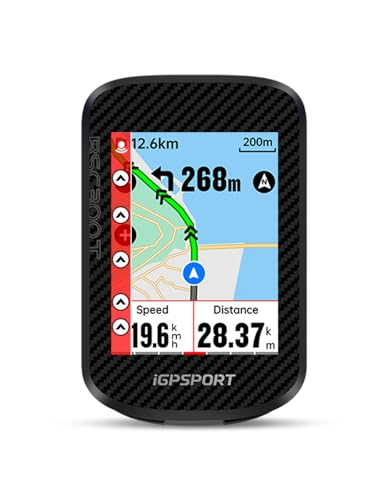
- 2.4-inch touchscreen with six-button control
- Offline maps, turn prompts, and off-course warnings
- 130+ riding data fields with ANT+ and Bluetooth 5.0
Best For: Riders who want offline navigation and detailed ride data
Easy Ride Navigator
Garmin Edge Explore 2 GPS Cycling Navigator

- 3-inch sunlight-readable touchscreen
- Preloaded profiles and ride-type maps
- eBike routing, LiveTrack, and GroupTrack support
Best For: Riders who want simple navigation for everyday trips
Long-Haul Color Navigator
Bryton Rider 650 Touchscreen GPS Computer

- 2.8-inch color touchscreen with ambient light sensor
- 33-hour battery life for long rides
- Preloaded maps, turn-by-turn guidance, and climb support
Best For: Cyclists who want long battery life and clear navigation
Elite Navigation & Training Focus
Garmin Edge 840 Compact GPS Cycling Computer
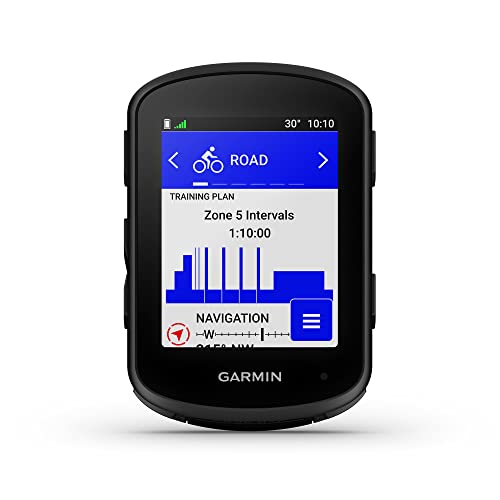
- Multi-band GNSS for improved positioning accuracy
- Touchscreen plus button controls for flexible use
- ClimbPro, power guide, and stamina insights support training
Best For: Cyclists who want advanced navigation and adaptive training in a compact unit
Smart Route Navigator
GEOID CC700 Pro 2.8" Color Touchscreen GPS Bike Computer

- 2.8-inch color touchscreen with clear navigation prompts
- Offline maps and 4GB storage for multiple routes
- Re-route planning helps recover after off-route moments
Best For: Riders who want an easy-to-follow color map computer with re-route support
Premium Ride Companion
Garmin Edge 1050 Premium Cycling Computer

- Vivid touchscreen with on-device course creation
- Road hazard alerts, group ride tools, and incident detection
- Built-in speaker and Garmin Pay add convenience
Best For: Cyclists who want a premium navigation computer with advanced ride awareness and coaching
Colorful Navigation Value Pick
GEOID CC600 Wireless Bike Computer

- 2.4" color screen with turn reminders and rerouting
- WiFi + Bluetooth syncing and firmware updates
- Up to 10 pages and 108 supported data items
Best For: Riders who want colorful route navigation and strong data features on a budget
Premium Touchscreen Navigator
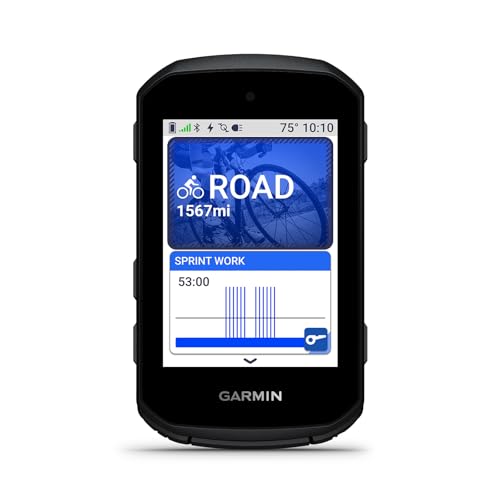
- Touchscreen plus button controls on a vivid color display
- Preloaded maps, Trailforks, and Forksight trail details
- Multi-band GPS with smart connectivity and ride alerts
Best For: Riders who want advanced navigation and premium Garmin features
Button-Control Garmin Pick
- Button-only compact Garmin with vivid color display
- Preloaded maps, Trailforks, and Forksight support
- Coach plans, fueling alerts, and multi-band GPS
Best For: Cyclists who want Garmin navigation and training tools in a button-driven unit
Premium Training GPS – Garmin Edge 540 Compact GPS Cycling Computer
If you want one of the more advanced bike navigation computers for training and route guidance, the Garmin Edge 540 focuses on performance-driven riding without giving up practical navigation. It combines button controls, multi-band GNSS positioning, ClimbPro climb data, and smart training prompts, making it a strong fit for riders who want more than basic turn-by-turn directions.
Best For: Riders who want a compact cycling computer with detailed navigation, training guidance, and long battery life.
Pros:
- Multi-band GNSS helps improve positioning accuracy in challenging environments.
- Up to 26 hours of battery life, or up to 42 hours in battery saver mode.
- ClimbPro, power guide, and stamina insights support structured training rides.
- Improved ride type-specific maps show popular roads, trails, and searchable points of interest.
Cons:
- Uses button controls rather than a touchscreen.
- Several advanced training features depend on compatible power meter and heart rate monitor pairing.
For cyclists who care about navigation and performance together, the Edge 540 is built to deliver detailed ride planning and useful in-ride guidance. It is especially appealing if you ride varied terrain and want a compact device that can keep pace with serious training blocks.
Touchscreen Offline Navigator – iGPSPORT BSC300T GPS Bike Computer
The iGPSPORT BSC300T is built for riders who want bike navigation computers with a touchscreen, offline maps, and broad device compatibility. Its 2.4-inch display, multi-satellite support, turn prompts, and off-course warnings make it a practical option for road, mountain, and e-bike use.
Best For: Riders who want a touchscreen GPS computer with offline navigation and lots of ride data.
Pros:
- 2.4-inch touchscreen plus six buttons for flexible operation.
- Supports offline map downloads, route preview, turn prompts, and off-course warnings.
- Over 130 riding data fields for detailed ride tracking.
- Works with ANT+ and Bluetooth 5.0 sensors, plus Strava and Komoot sharing.
Cons:
- Battery life is listed at 20 hours, which is shorter than some long-range rivals.
- Map storage is limited to 8 GB.
Overall, the BSC300T offers a feature-rich mix of navigation, data, and smart connectivity for riders who like a modern interface. It stands out most if you want offline maps and real-time route support without moving into higher-priced flagship territory.
Easy Ride Navigator – Garmin Edge Explore 2 GPS Cycling Navigator
For cyclists who want simple, practical bike navigation computers, the Garmin Edge Explore 2 emphasizes ease of use over training complexity. It offers a 3-inch sunlight-readable touchscreen, preloaded activity profiles, ride-type maps, and eBike-aware navigation features, making it a straightforward choice for everyday route following.
Best For: Riders who want a simple GPS cycling navigator for road, off-road, or eBike trips.
Pros:
- 3-inch glove- and rain-friendly touchscreen stays visible in direct sunlight.
- Preloaded road, off-road, and indoor profiles are ready out of the box.
- Ride-type maps highlight roads, trails, POIs, and eBike routing.
- Supports LiveTrack, GroupTrack, smart notifications, and incident detection when paired with a smartphone.
Cons:
- Battery life is listed at 16 hours, which is modest compared with some competitors.
- Map coverage is listed as North America in the supplied details.
The Edge Explore 2 is a good fit if your priority is easy navigation rather than advanced training metrics. It gives you a familiar touchscreen experience, clear mapping, and useful connected features for rides around town or farther afield.
Long-Haul Color Navigator – Bryton Rider 650 Touchscreen GPS Computer
The Bryton Rider 650 is a strong pick for riders comparing bike navigation computers and wanting a color touchscreen plus long runtime. With preloaded USA maps, turn-by-turn follow track guidance, climb support, and rear-view radar compatibility, it aims to give you useful navigation and safety features in an approachable package.
Best For: Cyclists who want a long-battery GPS computer with color maps and turn-by-turn navigation.
Pros:
- 2.8-inch color touchscreen with ambient light sensor for better visibility.
- 33-hour battery life is ideal for long rides and heavy use.
- Preloaded OSM maps, street names, POIs, and turn-by-turn guidance improve route clarity.
- Supports Climb Challenge, live tracking, rear-view radar, ANT+ sensors, and app syncing.
Cons:
- Focuses more on practical navigation than advanced race-training analytics.
- Type-C cable is not included in the box details provided.
For riders who value endurance and readable mapping, the Rider 650 covers the essentials well. It is especially appealing for touring, commuting, and solo rides where clear directions and long battery life matter more than premium performance extras.
Elite Navigation & Training Focus – Garmin Edge 840 Compact GPS Cycling Computer
The Garmin Edge 840 is a strong pick if you want bike navigation computers that blend route guidance with serious training tools. Its compact touchscreen-and-button design, multi-band GNSS positioning, and ride-specific maps make it well suited to riders who want reliable navigation plus performance tracking in one unit.
Best For: Cyclists who want advanced navigation and adaptive training in a compact unit.
Pros:
- Multi-band GNSS improves positioning accuracy in challenging environments.
- Touchscreen and button controls offer flexible operation while riding.
- ClimbPro, power guide, and stamina insights support structured efforts.
- Up to 26 hours of battery life in demanding use cases.
Cons:
- Best training features require compatible power meter and heart rate monitor.
- Advanced feature set may be more than casual riders need.
Overall, the Edge 840 stands out for riders who want a navigation computer that can also help guide training and effort management on every ride.
Smart Route Navigator – GEOID CC700 Pro 2.8" Color Touchscreen GPS Bike Computer
The GEOID CC700 Pro is a practical choice for bike navigation computers if you want a large color display, offline maps, and route recovery features without a complicated setup. Its 2.8-inch touchscreen, 4GB of storage, and re-route planning make it geared toward riders exploring unfamiliar roads and trails.
Best For: Riders who want an easy-to-follow color map computer with re-route support.
Pros:
- 2.8-inch color touchscreen gives clear navigation cues.
- Offline map downloads and 4GB storage support multiple routes.
- Re-route planning helps keep you moving after a missed turn.
- WiFi sync, ANT+/Bluetooth, and AGNSS add convenient connectivity.
Cons:
- Re-route planning depends on connection to the designated app.
- Training and navigation features are more basic than premium Garmin options.
For riders who value straightforward navigation and quick route recovery, the CC700 Pro delivers a feature set that fits everyday riding and travel.
Premium Ride Companion – Garmin Edge 1050 Premium Cycling Computer
The Garmin Edge 1050 is aimed at riders who want premium bike navigation computers with advanced awareness and ride coaching. Its vivid touchscreen, road hazard alerts, built-in speaker, and detailed course tools make it a feature-rich option for navigation, group rides, and performance-focused riding.
Best For: Cyclists who want a premium navigation computer with advanced ride awareness and coaching.
Pros:
- Vivid color touchscreen supports easy course creation on the device.
- Road hazard alerts and incident detection add ride awareness.
- Built-in speaker provides workout, navigation prompts, and a bike bell.
- Up to 20 hours battery life, or up to 60 hours in battery saver mode.
Cons:
- Shortest battery life of the three in demanding use cases.
- Many advanced features rely on a compatible smartphone or sensors.
The Edge 1050 is the most feature-packed option here, especially for riders who want navigation plus awareness tools, group ride features, and coached performance support in one device.
Colorful Navigation Value Pick – GEOID CC600 Wireless Bike Computer
If you want bike navigation computers that prioritize route guidance without a premium price tag, the GEOID CC600 is built around a bright 2.4″ color screen, turn reminders, and automatic rerouting. It also adds WiFi and Bluetooth syncing, multi-satellite positioning, and broad data-page customization for riders who want more than basic speed and distance tracking.
Best For: Riders who want colorful route navigation, easy syncing, and strong training data at a practical value.
Pros:
- Color route navigation with turn prompts, zooming, and reroute planning
- WiFi and Bluetooth support for quicker firmware and ride-data syncing
- Supports GPS, BEIDOU, GLONASS, QZSS, and GALILEO, plus AGNSS positioning
- Custom data layouts with up to 10 pages and 108 supported data items
Cons:
- No touchscreen; it uses a three-button design
- Indoor training and advanced navigation features may be more than casual riders need
- Best positioning depends on updated AGNSS data and open-sky conditions
Overall, the CC600 is a feature-rich choice if you want dependable navigation guidance, broad connectivity, and deep display customization in a compact cycling computer. It stands out most for riders who value practical route tools and frequent data syncing over premium brand extras.
Premium Touchscreen Navigator – Garmin Edge 850 Compact GPS
Among bike navigation computers, the Garmin Edge 850 leans hard into premium navigation, smart connectivity, and rider awareness. It combines a vivid color touchscreen with button controls, preloaded road/gravel/trail maps, Trailforks details, multi-band GPS, and features like weather overlays, road hazard alerts, and in-ride messaging.
Best For: Riders who want a compact Garmin with advanced navigation, awareness tools, and touchscreen convenience.
Pros:
- Vivid color touchscreen plus buttons for flexible control
- Preloaded maps with Trailforks and Forksight mode for trail context
- Multi-band GPS with automatic 5 Hz recording for improved tracking
- Smart connectivity features including live location, messaging, and incident detection with a phone
Cons:
- Battery life tops out at 12 hours in demanding use cases
- Some features depend on a compatible smartphone and Garmin Connect app
- Advanced alerts and overlays may be more than simple riders need
The Edge 850 is the most feature-packed option here, especially if you care about navigation detail, ride awareness, and premium on-bike interaction. It suits riders who want a compact unit that does a lot beyond basic mapping and recording.
Button-Control Garmin Pick – Garmin Edge 550 Compact GPS
The Garmin Edge 550 is a strong fit if you want bike navigation computers with premium mapping and training features but prefer button operation instead of a touchscreen. It includes a vivid color display, preloaded road/gravel/trail maps, Trailforks support, multi-band GPS, weather overlays, and Garmin Coach plans for cyclists.
Best For: Cyclists who want Garmin navigation and training tools in a button-driven compact computer.
Pros:
- Vivid color display with button-only control
- Preloaded maps for road, gravel, and trails with Trailforks and Forksight mode
- Multi-band GPS with automatic 5 Hz recording for better position tracking
- Training extras like Garmin Coach plans and smart fueling alerts
Cons:
- No touchscreen if you prefer tap-based control
- Many connected features require a compatible smartphone and Garmin Connect app
- Battery life is limited to 12 hours in demanding use cases
For riders who want Garmin’s navigation and coaching ecosystem in a simpler button-based format, the Edge 550 is an easy recommendation. It offers a balanced mix of route tools, tracking accuracy, and training support without moving to the more elaborate Edge 850.
How We Picked the Best Bike Navigation Computers
We focused on Bike Navigation Computers that balance navigation accuracy, screen readability, battery life, route flexibility, and overall ease of use. We also looked for models that suit different riders, from simple map-first units to advanced computers with richer training and connectivity features.
Quick Comparison
At a high level, the lineup breaks into three groups: premium all-in-one units with the most features, compact performance models for riders who want strong navigation and training support, and value-oriented computers that prioritize mapping and straightforward operation.
Key Buying Factors for Bike Navigation Computers
Navigation Quality
Look for accurate turn prompts, rerouting support, offline maps, and clear course tracking. If you ride new roads often, navigation clarity matters more than extra fitness metrics.
Display and Usability
Touchscreens can be convenient for map panning and route adjustments, while button controls may feel more reliable in rain or with gloves. Screen size, brightness, and layout all affect how easy the device is to read at a glance.
Battery Life
Long rides and multi-day events require stronger battery performance. Check real-world runtime, not just manufacturer claims, especially if you use navigation, backlight, sensors, or wireless syncing.
Connectivity and Sensors
Many Bike Navigation Computers support ANT+ and Bluetooth for heart rate monitors, power meters, radar, and phone pairing. If you already use cycling sensors, compatibility should be high on your list.
Maps, Storage, and Updates
Preloaded maps, easy route transfer, and Wi-Fi syncing can save time before rides. Riders who travel or explore unfamiliar areas should prioritize units with simple map management and reliable rerouting.
Who Should Buy Which Bike Navigation Computers?
If you want the best all-around experience, choose a premium model with advanced mapping, strong display quality, and broader smart features. If your priority is navigation with solid training support, a compact performance unit is often the sweet spot.
For budget-conscious riders, value models with offline maps and rerouting can cover the essentials without overcomplicating setup. If you mainly want easy point-to-point guidance, a simpler navigator-style option is usually the most convenient choice.
Ultimately, the best choice depends on how you ride. Commuters and casual explorers may prefer simplicity, while endurance riders and data-focused cyclists will get more value from advanced Bike Navigation Computers with better battery life and sensor support.
