
Thermal imaging can reveal overheating components, cooling-system problems, electrical resistance, and heat loss that ordinary cameras cannot see. The best budget thermal imaging cameras for cars make these checks faster without requiring a professional workshop setup.
This roundup compares resolution, temperature features, phone compatibility, display options, and vehicle-focused usability so you can choose a practical thermal camera for diagnostics, inspection, or nighttime visibility.
Best 10 Budget Thermal Imaging Cameras for Cars Picks for 2026
Best Value Handheld
MILESEEY TR10 Thermal Imaging Camera

- 192 × 192 resolution and 25Hz refresh rate
- -4°F to 1022°F range with adjustable emissivity
- 8-hour battery and 8GB onboard storage
Best For: DIY automotive troubleshooting and hotspot checks
Best Phone-Connected Option

- USB-C compatibility with iOS, Android, and Windows
- 320 × 240 QuadIR output with 25Hz imaging
- App offers spot, line, area, and threshold analysis
Best For: Mobile-based automotive and electrical diagnostics
Best Rugged Handheld
FOXWELL RT280 Thermal Imaging Camera

- 320 × 240 LCD with TISR image enhancement
- Laser pointer, LED light, alarms, and 25Hz imaging
- 6.6-foot drop resistance, IP54 rating, and 8GB storage
Best For: Engine inspections and documented workshop diagnostics
Best for Night Driving
Robofinity InsightDrive Thermal Camera

- Vehicle-mounted thermal detection up to 656 feet
- AI alerts for vehicles, pedestrians, and animals
- Designed for darkness, fog, rain, snow, and glare
Best For: Forward-facing nighttime hazard awareness
Long-Run Diagnostic Pick
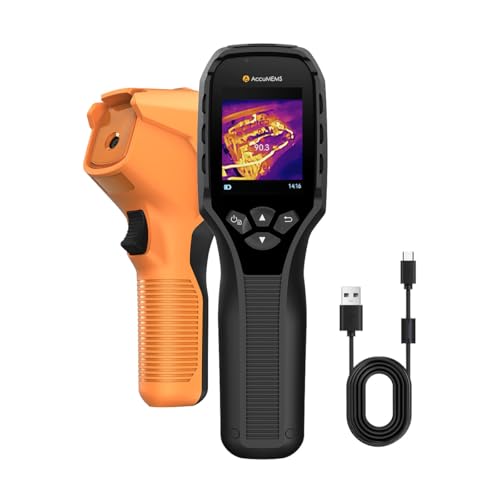
- -4°F to 1022°F measurement range
- 50° FOV with adjustable temperature alarms
- Up to 14 hours of continuous operation
Best For: Extended vehicle inspections and broad temperature scanning
Rugged Detail Pick
Flagfront YXI96 Thermal Camera

- 240×240 super-resolution imaging
- 25Hz refresh rate and temperature alarms
- 6.6-foot drop resistance with IP54 protection
Best For: Detailed automotive inspections in demanding environments
Phone-Based Compact Pick
Klein Tools TI223 Mobile Thermal Camera
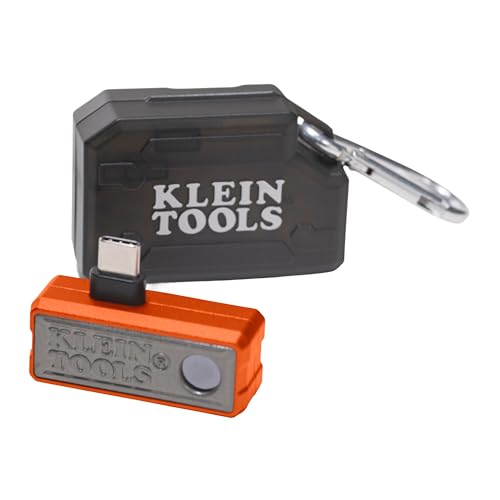
- 19,200-pixel thermal imaging
- iOS and Android USB-C compatibility
- Captures images, video, and time-lapse footage
Best For: Portable, shareable inspections using a smartphone
Best Android & iPhone Flexibility
REVASRI 320×240 Thermal Camera
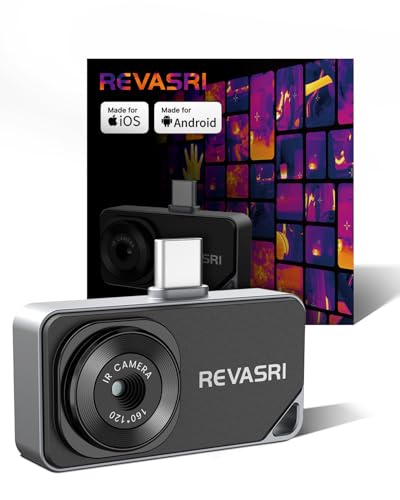
- 320×240 output with 25Hz refresh rate
- -4°F to 842°F measurement range
- IP54 protection and 1-meter drop rating
Best For: DIY automotive checks and multi-device households
Best Entry-Level iPhone Option
FLIR ONE 240×180 Thermal Camera

- Designed for iPhone 15 and newer with USB-C
- 240×180 super-resolution output
- MSX image enhancement and guided app inspections
Best For: Occasional automotive checks by USB-C iPhone users
Best Detail for iPhone Diagnostics
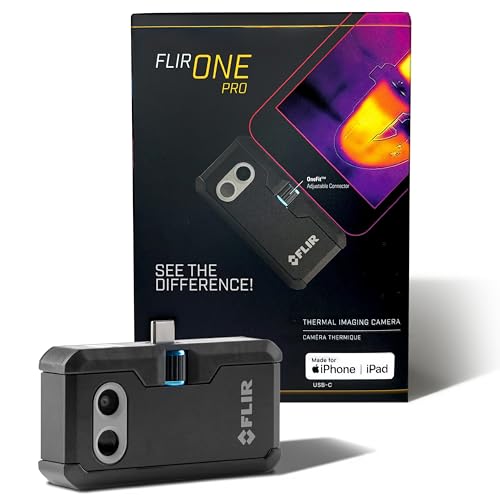
- 480×360 super-resolution output
- 160×120 native IR resolution with Vivid IR
- MSX enhancement and 1.5-meter drop rating
Best For: Detailed vehicle diagnostics with compatible iPhones
Best Value Handheld – MILESEEY TR10 Thermal Imaging Camera
For shoppers comparing budget thermal imaging cameras for cars, the MILESEEY TR10 offers a practical handheld format for checking engine components, wiring, and other heat-related issues. Its 192 × 192 sensor, 25Hz refresh rate, and broad temperature range support smooth, detailed inspections without requiring a phone.
Best For: DIY automotive troubleshooting, hotspot checks, and general mechanical inspections.
Pros:
- 192 × 192 infrared resolution with a 25Hz refresh rate.
- Measures from -4°F to 1022°F with stated ±2°C accuracy and adjustable emissivity.
- High/low alarms and automatic maximum, minimum, and center-point readings help identify anomalies.
- 8-hour battery life, 8GB storage, and a 6.6-foot drop-tested design.
Cons:
- Wired connectivity may be less convenient than a phone-connected camera.
- Its handheld design does not provide dedicated driving night-vision features.
The TR10 is a well-rounded choice when you want a self-contained thermal camera for occasional automotive diagnostics. Its durable build and onboard storage are useful for garage and field work, while the adjustable emissivity helps improve readings across different materials.
Best Phone-Connected Option – RISION Magic Thermal Camera
The RISION Magic is a compact choice among budget thermal imaging cameras for cars, especially if you prefer analyzing results on a mobile device. Its USB-C connection, image fusion, and app-based measurement tools are designed to help pinpoint heat issues in automotive and electrical components.
Best For: Phone-based automotive diagnostics, electrical checks, and detailed thermal reporting.
Pros:
- Works with iOS, Android, and Windows devices through USB-C; Mac is not supported.
- QuadIR processing presents 320 × 240 output from a native 160 × 120 sensor.
- 25Hz imaging, 52° × 39° viewing angle, and 40mK sensitivity support detailed inspections.
- App includes spot, line, area, threshold, PIP, graph, and isotherm analysis tools without registration.
Cons:
- Requires a compatible connected device for viewing and analysis.
- Native sensor resolution is lower than the displayed QuadIR output suggests.
- Not compatible with Mac devices.
The RISION Magic stands out for buyers who want more than a basic heat map. Its phone app provides useful analysis features for tracing a hot terminal, wire, or mechanical area, making it a flexible option for hands-on automotive work.
Best Rugged Handheld – FOXWELL RT280 Thermal Imaging Camera
The FOXWELL RT280 is a strong fit for buyers seeking budget thermal imaging cameras for cars with a larger built-in display and field-ready construction. It combines a 2.8-inch 320 × 240 LCD, TISR image enhancement, targeting aids, and PC analysis for documenting mechanical findings.
Best For: Automotive engine inspections, workshop diagnostics, and users who want reports on a Windows PC.
Pros:
- 320 × 240 LCD with TISR enhancement from 120 × 90 to 240 × 180 effective resolution.
- Measures -4°F to 1022°F with stated ±3.6°F / ±2% accuracy and automatic hot, cold, and center readings.
- Built-in laser pointer, LED light, nine color palettes, and 25Hz capture support practical inspections.
- 6.6-foot drop resistance, IP54 protection, and 8GB storage for more than 20,000 images.
Cons:
- PC analysis software is for Windows and is not compatible with Mac.
- TISR improves effective resolution but does not change the native sensor resolution.
The RT280 is appealing when durability, onboard viewing, and inspection records matter. Its alarms and targeting tools can speed up engine checks, while the included Windows software adds useful point, line, area, and 2D/3D analysis after the inspection.
Best for Night Driving – Robofinity InsightDrive Thermal Camera
The Robofinity InsightDrive is a specialized alternative to handheld budget thermal imaging cameras for cars. Rather than checking components in the garage, it mounts to the vehicle and combines thermal night vision, a display, and AI alerts to help identify road hazards in darkness and poor weather.
Best For: Drivers seeking forward-facing thermal hazard detection for nighttime, foggy, rainy, or snowy conditions.
Pros:
- Thermal detection range is stated at up to 656 feet, or 200 meters.
- Designed to operate in darkness, rain, snow, fog, and glare.
- AI recognition identifies vehicles, pedestrians, and animals and provides collision-risk alerts.
- Plug-and-play installation is designed to take about five minutes, with iOS and Android app support.
Cons:
- It is a vehicle-mounted driving aid rather than a handheld tool for engine or component diagnostics.
- Video capture resolution is 720p, and the field of view is 40 degrees.
- Its 1.65 kg weight and vehicle-specific mounting make it less portable for general inspections.
The InsightDrive is the right category of product for improving forward visibility, not for diagnosing a hot alternator or electrical terminal. Its mounting system, thermal road view, and app-configurable alerts make it a distinctive choice for drivers who prioritize nighttime hazard awareness.
Long-Run Diagnostic Pick – GT14S Thermal Imaging Camera
For shoppers comparing budget thermal imaging cameras for cars, the GT14S stands out as a practical handheld option for scanning moving or hard-to-monitor components. It combines thermal imaging with thermometer readings, adjustable settings, alarms, and a wide field of view.
Best For: Drivers, DIY mechanics, and inspectors who want extended battery life and broad temperature coverage for vehicle checks.
Pros:
- Measures from -4°F to 1022°F with adjustable emissivity and distance settings.
- 50° field of view and customizable high/low temperature alarms help identify abnormalities quickly.
- 2500mAh battery supports up to 14 hours of continuous operation.
- Lightweight 240g design includes seven color palettes and a high-sensitivity sensor.
Cons:
- The supplied notes do not specify image or video storage features.
- Its extensive settings may be more than casual users need.
The GT14S is a strong value when inspection time and temperature range matter most. Its alarms and full-screen monitoring are especially useful for methodically checking vehicle systems.
Rugged Detail Pick – Flagfront YXI96 Thermal Camera
The Flagfront YXI96 is a sensible choice among budget thermal imaging cameras for cars when image detail and durability are priorities. Its 240×240 super-resolution imaging, 25Hz refresh rate, and vehicle inspection focus support smoother, clearer troubleshooting.
Best For: DIY automotive users who inspect engines, cooling systems, wiring, or other components in demanding conditions.
Pros:
- 240×240 super-resolution imaging provides more detail than basic thermal displays.
- 25Hz refresh rate supports a smooth inspection view.
- Temperature alarms and center, high, and low readings help locate abnormal heat.
- 6.6-foot drop resistance and IP54 dust/water resistance add durability.
Cons:
- The measurement range is broad, but the stated accuracy is within 2% rather than a tighter specification.
- Only six color palettes are listed, fewer than some competing handheld models.
With its durable construction and detailed 240×240 output, the YXI96 is well suited to garage and field use. It offers useful automotive-oriented features without requiring a phone connection.
Phone-Based Compact Pick – Klein Tools TI223 Mobile Thermal Camera
For buyers seeking budget thermal imaging cameras for cars that are easy to carry, the Klein Tools TI223 uses a phone or tablet as its display. This compact USB-C imager supports iOS and Android devices and can save thermal images, video, and time-lapse footage for documentation.
Best For: Mobile mechanics and technicians who prefer viewing, capturing, and sharing thermal inspections from a smartphone.
Pros:
- Compact 1.12-ounce design is easy to keep in a tool bag or pocket.
- Works with iOS and Android devices and accommodates phone cases up to 1/5-inch thick.
- Offers spot, high/low, and differential temperature readings.
- Captures images, video, and time-lapse video for reports or troubleshooting records.
Cons:
- Requires a compatible iOS or Android device with USB-C connectivity.
- Its temperature range tops out at 752°F, lower than the two handheld cameras listed above.
- Only three color palettes are provided.
The TI223 is the most portable option here and makes sharing inspection evidence straightforward. It is particularly appealing if you already carry a compatible mobile device, though its lower upper-temperature limit may matter for some automotive work.
Best Android & iPhone Flexibility – REVASRI 320×240 Thermal Camera
For shoppers comparing budget thermal imaging cameras for cars, the REVASRI is a versatile phone-connected option with a broad temperature range and useful diagnostic features. It works with compatible USB-C phones, tablets, and computers across iOS, Android, and Windows, making it practical for automotive troubleshooting and other inspection tasks.
Best For: DIY automotive checks, hot-spot detection, and buyers who want broad device compatibility.
Pros:
- 320×240 super-resolution output, 25Hz refresh rate, and 40mK thermal sensitivity.
- Measures from -4°F to 842°F (-20°C to 450°C), with high- and low-temperature alarms and tracking.
- Includes 15x electronic zoom, nine color modes, and visible-light picture-in-picture.
- Compact, device-powered design with IP54 protection and 1-meter drop protection.
Cons:
- Requires a compatible device and draws power from that device rather than using its own battery.
- Application installation is required for operation.
Its combination of high resolution, wide temperature coverage, and rugged protection makes the REVASRI a strong value for automotive troubleshooting when phone compatibility is not a concern.
Best Entry-Level iPhone Option – FLIR ONE 240×180 Thermal Camera
The FLIR ONE is a straightforward choice among budget thermal imaging cameras for cars if you use an iPhone 15 or newer with USB-C. Its phone-connected design combines upscaled thermal imaging with FLIR MSX image enhancement, while the app provides guided inspection help for automotive and general troubleshooting.
Best For: iPhone 15-or-newer owners who want a compact thermal tool for occasional vehicle and home inspections.
Pros:
- Plugs directly into compatible USB-C iPhones.
- Upscales 80×60 native IR to 240×180 using Vivid IR technology.
- FLIR MSX merges thermal and visual imagery to add real-time detail.
- Drop-rated to 1.5 meters and suitable for automotive applications.
Cons:
- Compatibility is limited to iPhones 15 and newer with USB-C.
- Its native IR resolution is lower than the FLIR ONE Pro.
- Stated accuracy applies only within specified device and scene temperature conditions.
The standard FLIR ONE keeps the feature set compact and accessible, making it a sensible entry point for iPhone users who need occasional thermal checks rather than maximum image resolution.
Best Detail for iPhone Diagnostics – FLIR ONE Pro 480×360
For buyers prioritizing image detail in budget thermal imaging cameras for cars, the FLIR ONE Pro offers a higher-resolution alternative to the standard FLIR ONE. It connects directly to iPhone 15 and newer USB-C models, uses Vivid IR and MSX processing, and is rated for automotive inspections and demanding jobsite use.
Best For: iPhone users who want clearer thermal imagery for vehicle troubleshooting and broader inspection work.
Pros:
- Upscales 160×120 native IR to 480×360 super resolution.
- FLIR MSX combines thermal and visible imagery for enhanced detail.
- Includes step-by-step inspection guides in the FLIR ONE app.
- 1.5-meter drop rating and stated suitability for automotive applications.
Cons:
- Works with iPhone 15 and newer models that use USB-C.
- Stated ±3°C or ±5% accuracy applies only under specified temperature conditions.
- Requires a connected phone and the FLIR app for use.
The FLIR ONE Pro is the more detail-focused pick in this group. Its higher-resolution output can make thermal patterns easier to interpret, provided you have a compatible iPhone and value the upgrade over the standard model.
How We Picked These Budget Thermal Imaging Cameras for Cars
We focused on cameras and smartphone accessories that can help identify temperature differences around vehicles, including hot electrical connections, radiators, hoses, brakes, bearings, fuses, and engine-bay components. Selection factors included infrared resolution, refresh rate, temperature measurement, image enhancement, viewing convenience, and compatibility with iPhone or Android devices.
Higher resolution is useful for locating smaller hotspots, while features such as hot/cold-spot tracking, edge enhancement, and thermal blending can make readings easier to interpret. We also included several general-purpose inspection cameras because they can be useful for automotive work when their temperature range and ergonomics fit the job.
Quick Comparison
- Best for a built-in display: Choose a handheld model such as the MILESEEY, RISION, FOXWELL, or GT14S if you want a self-contained tool.
- Best for phone-based portability: The Klein Tools, REVASRI, FLIR ONE, and FLIR ONE Pro options connect to compatible smartphones.
- Best for higher detail: Models with 320 × 240 or 480 × 360 super-resolution specifications can show smaller temperature patterns more clearly.
- Best for driving visibility: The Robofinity InsightDrive is designed around in-vehicle thermal night vision rather than workshop-only inspection.
Key Buying Factors for Budget Thermal Imaging Cameras for Cars
Resolution and Refresh Rate
Resolution determines how much detail the thermal image can show. For broad engine-bay checks, lower resolutions may be adequate; for connectors, small fuses, or individual cells, more pixels are preferable. A refresh rate around 25Hz also produces smoother live movement than slower imaging.
Temperature Range and Accuracy
Confirm that the camera covers the temperatures you expect to encounter, especially near exhaust components, brakes, and overheated electrical parts. A wide range is helpful, but accurate emissivity settings and consistent measurement matter just as much. Shiny metal can produce misleading readings, so use thermal images to locate patterns and verify critical findings with appropriate test equipment.
Display, Phone Support, and Durability
A built-in screen is convenient in a garage or roadside situation. Smartphone models are often smaller and easier to store, but check the exact connector, operating-system support, app requirements, and phone-case clearance. For frequent automotive use, consider grip, battery life, storage, warranty, and resistance to workshop dust or drops.
Who Should Buy Which Budget Thermal Imaging Cameras for Cars?
Choose a handheld camera if you want immediate operation, a dedicated screen, and no phone dependency. Select a phone-connected model if portability, image sharing, and app-based controls matter most. Buyers inspecting fine electrical details should prioritize higher resolution and image enhancement, while occasional DIY users may get better value from a simpler camera with reliable temperature measurement. If your primary goal is monitoring the road or spotting people and animals at night, choose a vehicle-oriented thermal vision design rather than a general inspection imager.
