
Running local LLMs on a compact desktop is now realistic, but the right mini PC still matters. Memory capacity, CPU class, storage speed, and cooling all affect how smoothly your models load and respond.
This roundup of Beelink mini PCs for local LLMs focuses on practical choices for different budgets and workloads, from light experimentation to more demanding on-device AI use.
Best 9 Beelink Mini PCs for Local LLMs Picks for 2026
Best for Local LLMs
Beelink GTR9 Pro Ryzen AI Max+ 395
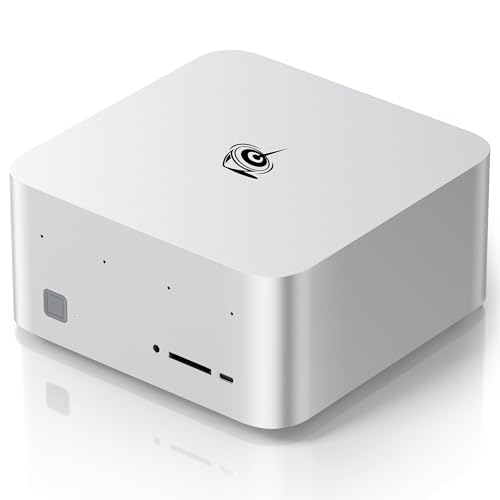
- 126 AI TOPS for demanding local AI workloads
- 128GB RAM and 2TB SSD for large models and multitasking
- Dual 10GbE and dual USB4 for private AI server setups
Best For: Power users building a compact local AI workstation for LLMs, private hosting, and heavy multitasking.
Best Compact Starter Pick

- Small, low-power design for tight desks and monitor mounting
- 12GB LPDDR5 RAM + 480GB SSD for light local LLM testing
- Dual HDMI, 2.5G LAN, and Wi‑Fi for flexible everyday use
Best For: Beginners who want an affordable compact mini PC for lightweight local LLM experiments and daily tasks.
Best Triple-Display Value
Beelink SEI Ryzen 7 7735HS Mini PC

- Ryzen 7 7735HS for stronger everyday performance
- 24GB LPDDR5 RAM and 500GB PCIe x4 SSD
- Triple 4K display support with 2.5G LAN
Best For: Users who want a compact mini PC for light local LLM work, multitasking, and triple-monitor setups.
Best Budget Starter

- Affordable entry point for light local LLM experimentation
- 8GB RAM and 480GB SSD offer a usable starter configuration
- Dual HDMI and 2.5G LAN improve day-to-day versatility
Best For: Beginners who want a low-cost mini PC for small local models and everyday use.
Best Ultra-Low-Power Starter

- Ultra-low 25W power use for quiet, always-on operation
- 16GB RAM + 500GB SSD for light local AI and daily tasks
- Dual HDMI, Wi‑Fi 6, and USB 3.2 add useful flexibility
Best For: Light local AI experiments, office work, and compact home setups.
Best for Everyday Use
Beelink MINI S12 Pro N100 Mini PC
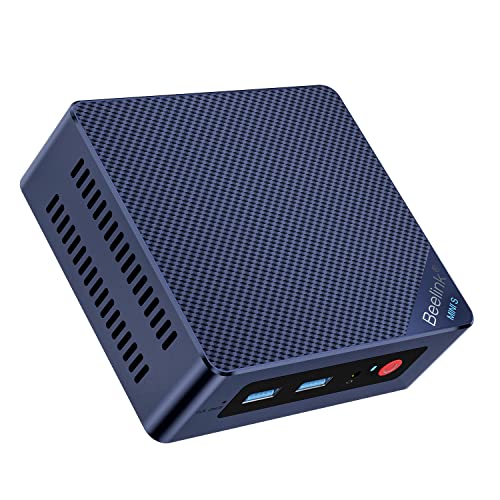
- Affordable entry point for local LLM experimentation
- 12GB LPDDR5 + 500GB SSD for everyday multitasking
- 2.5G LAN, Wi-Fi 6, and dual HDMI improve versatility
Best For: Light local LLM testing, home office tasks, and compact setups.
Best Value Entry Pick
Beelink SER3 Ryzen 3 3200U Mini PC

- 16GB RAM and 500GB SSD for everyday multitasking
- Good for light local LLM tinkering and office use
- Dual HDMI, Wi‑Fi 5, and 1GbE LAN for easy setup
Best For: Buyers who want a low-cost Beelink mini PC for basic local AI tinkering, office tasks, and media use.
Best with Extra Features
- 16GB RAM and 500GB SSD included
- 2.5G LAN for solid wired connectivity
- Dual HDMI and VESA mount save desk space
Best For: Budget buyers who want a compact mini PC for light local AI tinkering and everyday use.
Best Entry-Level Local LLM Option
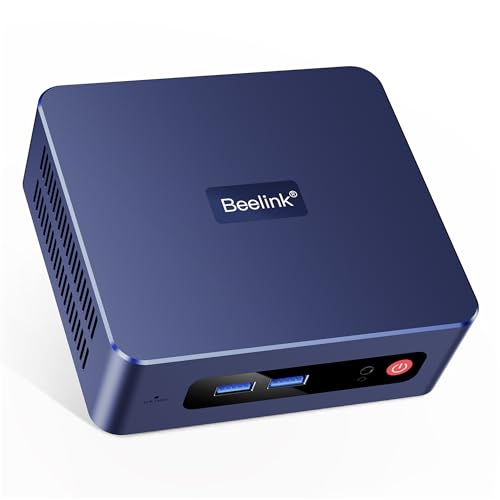
- 16GB RAM and 500GB NVMe SSD
- Dual 4K display support via HDMI
- Wi‑Fi 5, Gigabit LAN, and Bluetooth 5.0
Best For: Budget-minded buyers testing light local AI workloads on a compact Beelink mini PC.
Best for Local LLMs – Beelink GTR9 Pro Ryzen AI Max+ 395
If you want one of the most capable beelink mini pcs for local llms, this GTR9 Pro is built around a Ryzen AI Max+ 395, 128GB of RAM, and dual 10GbE networking. That combination makes it a strong pick for running larger models locally, keeping data private, and handling serious multitasking without feeling cramped.
Best For: Power users who want a compact AI workstation for local LLMs, private model hosting, and heavy multitasking.
Pros:
- Ryzen AI Max+ 395 with 126 AI TOPS is well suited to demanding local AI workloads.
- 128GB LPDDR5X RAM and 2TB SSD give you plenty of room for models, cache, and projects.
- Dual 10GbE plus dual USB4 make it a strong mini AI server or clustering base.
- Quiet 140W cooling helps it stay relatively manageable under sustained load.
Cons:
- Very expensive compared with mainstream mini PCs.
- Overkill if you only need lightweight chatbots or basic office use.
- Still a mini PC, so upgrade paths are more limited than a full desktop tower.
This is a specialized machine, but it stands out in the beelink mini pcs for local llms category because it pairs high memory capacity with serious networking and AI-focused silicon. If you want a compact system that can actually serve as a local model box rather than just a general-purpose PC, it belongs near the top of the list.
Best Compact Starter Pick – Beelink MINI S12 N95 Mini PC
If you want a small, low-power machine for lighter AI work, the Beelink MINI S12 is a practical entry point in beelink mini pcs for local llms. Its Intel N95 chip, 12GB of LPDDR5 memory, and 480GB SSD make it better suited to tiny models, prompt testing, and general desktop tasks than to heavy multi-user inference.
Best For: Beginners who want an affordable, compact mini PC for lightweight local LLM experiments, office work, and media use.
Pros:
- Compact footprint makes it easy to tuck behind a monitor or in a tight desk setup
- 12GB RAM and 480GB SSD are enough for basic local LLM testing and everyday apps
- Dual HDMI, 2.5G LAN, and Wi‑Fi support add flexibility for home or office use
- Low power draw and included VESA mount help keep the setup simple
Cons:
- N95 class performance is limited for larger local models and faster token generation
- Integrated graphics and modest CPU headroom reduce its appeal for heavier AI workloads
- Not the best choice if you want lots of RAM for running bigger quantized models
This is a sensible budget-minded pick if your goal is to learn the basics of beelink mini pcs for local llms without overpaying for hardware you may not fully use.
Best Triple-Display Value – Beelink SEI Ryzen 7 7735HS Mini PC
For buyers comparing beelink mini pcs for local llms, this Beelink SEI stands out as a strong value-oriented option thanks to its Ryzen 7 7735HS, 24GB LPDDR5 memory, and fast 500GB PCIe x4 SSD. It’s not a workstation-class AI box, but it does offer enough CPU headroom, quick storage, and solid cooling for lighter local model testing, multitasking, and everyday creator workflows.
Best For: Users who want a compact mini PC with strong CPU performance, triple 4K display support, and enough memory for light local LLM experimentation.
Pros:
- Ryzen 7 7735HS gives it better all-around speed than many entry-level mini PCs.
- 24GB LPDDR5 and a fast 500GB SSD make multitasking and app loading feel responsive.
- Triple-display output is handy for productivity, dashboards, and coding setups.
- Dual-fan cooling and 2.5G LAN add practicality for longer sessions and wired networking.
Cons:
- 24GB RAM is useful, but it’s still a limit for larger local models.
- Integrated Radeon graphics are fine for media and display work, not serious GPU inference.
- Storage starts at 500GB, so LLM files can eat space quickly.
This is a sensible pick if you want beelink mini pcs for local llms without paying for a more specialized AI machine. It’s best viewed as a capable compact desktop for light local inference, development, and everyday work rather than a heavy-duty model runner.
Best Budget Starter – Beelink MINI S12 N95 Mini PC
If you’re comparing beelink mini pcs for local llms on a tight budget, the Beelink MINI S12 is a practical entry point for lightweight testing, basic inference, and everyday desktop use. Its Intel N95, 8GB RAM, and 480GB SSD make it more capable than many ultra-cheap minis, but it’s still a low-power system best matched to smaller models and conservative workloads.
Best For: Beginners who want an affordable mini PC for light local LLM experimentation, general productivity, and dual-monitor use.
Pros:
- Intel N95 is a solid step up from older low-end chips for basic local AI tasks.
- 8GB RAM and 480GB SSD give you enough room to start without immediate upgrades.
- Dual HDMI and 2.5G LAN add useful flexibility for a compact workstation.
- Small, wall-mountable design keeps a desk setup neat and simple.
Cons:
- 8GB RAM is limiting for larger local LLMs and heavier multitasking.
- Intel N95 is fine for entry-level use, but not ideal for demanding inference workloads.
- WiFi 5 and BT 4.2 are functional, but not the latest wireless standards.
Overall, the MINI S12 makes sense if you want an inexpensive way to explore beelink mini pcs for local llms without jumping to a pricier, higher-memory system. It’s best viewed as a starter box for small models, testing, and everyday computing rather than a serious high-throughput AI machine.
Best Ultra-Low-Power Starter – Beelink Mini S13 N150 Mini PC
If you want a compact, quiet entry point into beelink mini pcs for local llms, the Beelink Mini S13 is better suited for very small models, experimentation, and general-purpose home or office use than for serious LLM workloads. Its N150 CPU, 16GB RAM, and 500GB SSD give it decent responsiveness, but this is still an ultra-low-power mini PC first.
Best For: Beginners who want a tiny, efficient Beelink for lightweight local AI tinkering, desktop use, and media/office tasks.
Pros:
- Very low 25W power draw and quiet cooling make it easy to run all day
- 16GB RAM and 500GB SSD are usable for light local AI tests and everyday tasks
- Dual HDMI, USB 3.2, Wi‑Fi 6, and 2.5-ready feature set improve flexibility for the price tier
Cons:
- N150 integrated graphics and CPU are limited for larger local LLMs
- 16GB memory is workable only for small models or quantized runs
- Not the right pick if your main goal is faster prompt generation or multi-user AI serving
For beelink mini pcs for local llms, this model makes sense as a low-cost learning and utility box, not a performance leader. If your plan is to run modest models, automate a few AI workflows, or pair local inference with normal desktop duties, it offers a sensible balance of size, power use, and features.
Best for Everyday Use – Beelink MINI S12 Pro N100 Mini PC
If you want one of the more affordable beelink mini pcs for local llms, the MINI S12 Pro is a sensible entry point for light experimentation, small models, and general AI-adjacent workloads where budget matters more than raw speed. Its N100 chip, 12GB LPDDR5 memory, and 500GB SSD make it a compact everyday machine, but it is still best suited to smaller models and lower-throughput tasks.
Best For: Buyers who want a low-cost mini PC for light local LLM testing, home office use, and space-saving setups.
Pros:
- Low-cost way to get started with local LLM experimentation
- 12GB LPDDR5 and 500GB SSD are solid for everyday multitasking
- 2.5G LAN, Wi-Fi 6, and dual HDMI add useful connectivity
- Very small footprint for desks, media centers, or tucked-away installs
Cons:
- N100 CPU is limited for larger or faster local LLM workloads
- 12GB RAM can feel tight if you want heavier model testing
- Not the best pick for users prioritizing serious inference performance
For beelink mini pcs for local llms, this model is more about affordability and practicality than maximum model size or speed. It makes sense if you want to learn, prototype, or run smaller models without spending much, but power users will likely want a stronger Beelink configuration.
Best Value Entry Pick – Beelink SER3 Ryzen 3 3200U Mini PC
If you want an affordable starting point for beelink mini pcs for local llms, this SER3 is better suited to light experimentation, small models, and general home-office work than serious model hosting. It gives you a compact Ryzen platform with 16GB RAM and a 500GB SSD, plus dual HDMI for a practical dual-monitor setup.
Best For: Buyers who need a low-cost Beelink mini PC for basic local AI tinkering, office tasks, and media use.
Pros:
- 16GB RAM and 500GB SSD are solid starter specs for everyday multitasking
- Ryzen 3 3200U is fine for light local LLM testing and small projects
- Dual HDMI, Wi‑Fi 5, and 1GbE LAN make it easy to plug into a desk setup
- Small footprint with VESA mounting helps keep the workspace clean
Cons:
- 2-core/4-thread CPU is limited for heavier local LLM workloads
- Integrated Vega 3 graphics won’t help much with AI acceleration
- May need a stronger mini PC if you plan to run larger models regularly
Overall, this is a sensible budget entry if your goal is to try beelink mini pcs for local llms without overspending, but it is best viewed as a light-duty testbed rather than a true inference box. For faster prompts, larger context windows, or more ambitious model sizes, you’ll want to step up to a newer Ryzen 5 or Ryzen 7 system.
Best with Extra Features – Beelink MINI S12 N95 Mini PC
If you’re comparing beelink mini pcs for local llms, the MINI S12 is a low-cost starting point for very light experimentation, model serving, or general dev work where efficiency matters more than raw speed. Its Intel N95 chip, 16GB of RAM, and 500GB SSD make it a practical everyday mini PC, but it is not a powerhouse for running larger local models.
Best For: Budget buyers who want a compact mini PC for basic local AI tinkering, web work, and media use.
Pros:
- 16GB DDR4 RAM and 500GB SSD come ready for everyday use
- 2.5G LAN is helpful for reliable network-based workflows
- Dual HDMI supports a multi-monitor desktop setup
- Small, VESA-mountable design keeps the desk clean
Cons:
- Intel N95 is entry-level and limited for heavier local LLMs
- WiFi 5 and BT 4.2 are basic by current standards
- M.2 SATA SSD is slower than NVMe-based alternatives
For beelink mini pcs for local llms, this model makes sense only if you want the cheapest practical Beelink setup for small models or testing workflows, not serious on-device inference. It shines more as an affordable all-purpose mini desktop than as a dedicated AI machine.
Best Entry-Level Local LLM Option – Beelink SER3 Ryzen 3 Mini PC
If you’re comparing beelink mini pcs for local llms on a tight budget, the SER3 is a practical starting point for lightweight inference, coding assistants, and everyday desktop use. Its Ryzen 3 3200U, 16GB of RAM, and 500GB NVMe SSD give it enough headroom for basic AI workflows, though it’s better suited to small models and modest context sizes than serious model hosting.
Best For: Buyers who want an affordable Beelink mini PC for light local AI experiments, office work, and streaming.
Pros:
- 16GB DDR4 RAM and 500GB NVMe SSD are solid for the price
- Dual HDMI 2.0 outputs support 4K dual-screen setups
- Wi‑Fi 5, Gigabit LAN, and Bluetooth 5.0 cover the basics well
- Compact, low-power design fits easily on a desk or in a media nook
Cons:
- Ryzen 3 3200U is entry-level for local LLM use
- 2-core/4-thread CPU limits heavier multitasking and larger models
- Not the best choice if you want faster token generation or future-proofing
For shoppers exploring beelink mini pcs for local llms, the SER3 makes sense as a starter machine rather than a performance pick. It’s most appealing when you want a compact all-rounder that can handle light AI tasks without stretching the budget.
How We Picked the Best Beelink Mini PCs for Local LLMs
We prioritized systems that make sense for local AI work first: enough RAM for model context, SSD storage for fast loading, and CPUs that can handle sustained workloads without feeling cramped. We also considered connectivity, since fast Ethernet and modern wireless are useful for moving models, syncing data, or using the mini PC as a compact lab machine.
Because Beelink Mini PCs for Local LLMs vary widely in capability, we separated true higher-end options from entry-level boxes that are better suited to very small models, testing, or general-purpose use alongside light AI tasks.
Quick Comparison
The strongest choices for local inference are the high-memory, higher-performance models with newer Ryzen or AI-focused hardware. Midrange systems are best for lighter quantized models and everyday productivity. Budget N-series and older Ryzen 3 options can still work, but they are more appropriate for very small models, remote access, or learning the workflow rather than pushing performance.
Key Buying Factors for Beelink Mini PCs for Local LLMs
RAM Capacity
RAM is one of the biggest limits in local LLM usage. If you want a smoother experience, aim for 24GB minimum, with 32GB or more being a much better target for larger quantized models and multitasking. Systems with 128GB are in a different class entirely and offer the most headroom.
CPU and AI Hardware
For Beelink Mini PCs for Local LLMs, newer Ryzen chips and AI-oriented processors are more attractive than low-power N-series parts. They generally provide better multitasking, higher sustained performance, and stronger overall responsiveness. AI acceleration features can help certain workflows, but they do not replace enough RAM and fast storage.
Storage and Expandability
Fast NVMe SSDs reduce model load times and improve the day-to-day experience. A 500GB drive is a practical baseline, but larger libraries of models can fill that quickly. If you plan to experiment often, choose a system with room for expansion or a larger preinstalled drive.
Networking and Ports
2.5G or 10GbE, when available, is valuable if you move files across a home lab or NAS. Dual HDMI or multi-display support is less important for inference itself, but it is useful if the mini PC also serves as a development workstation.
Who Should Buy Which Beelink Mini PCs for Local LLMs?
If you want the best overall local AI experience, choose the highest-RAM, newest-platform option. If you are building a compact, balanced workstation that can also handle light local inference, a midrange Ryzen 7 system is the sweet spot. If your goal is simply to learn, test prompts, or run very small models, an N95 or N150-based Beelink is the most affordable way in.
For buyers focused on Beelink Mini PCs for Local LLMs, the safest rule is simple: buy more RAM and faster SSD storage than you think you need. That gives you the most usable performance and the longest useful lifespan.
